
Savior for Brittle Nails: My Hands-On Guide to Choosing and Using TPO Free Gel Polish Safely
Do you struggle with thin, soft, brittle nails that break easily and hurt at the slightest touch? Want to get beautiful manicures but worry about allergies or causing more damage? Today, drawing on years of experience in nail product R&D and hands-on salon work, I’ll explain everything you need to know about TPO Free, low-allergy gel polish. I’ll help you avoid sensitizing ingredients, choose the right products, and use the correct techniques, so even brittle nails can be beautified safely.
Part 1: First, Understand Why TPO Free is a Must for Brittle Nails
In both the lab and the salon, I’ve seen countless cases: clients end up with red, itchy, blistered skin around their nails after using regular gel polish, and their natural nails become thinner over time.
The core problem lies in two high-risk ingredients: TPO and HEMA.
- TPO is a common photoinitiator. Its use is restricted in the EU because it tends to leave residues and can be highly irritating.
- HEMA is the number one allergen in the nail world, responsible for over 60% of gel polish allergies.
- Brittle nails already have a compromised barrier, making them more sensitive to chemical irritants. Regular gels can worsen the damage.
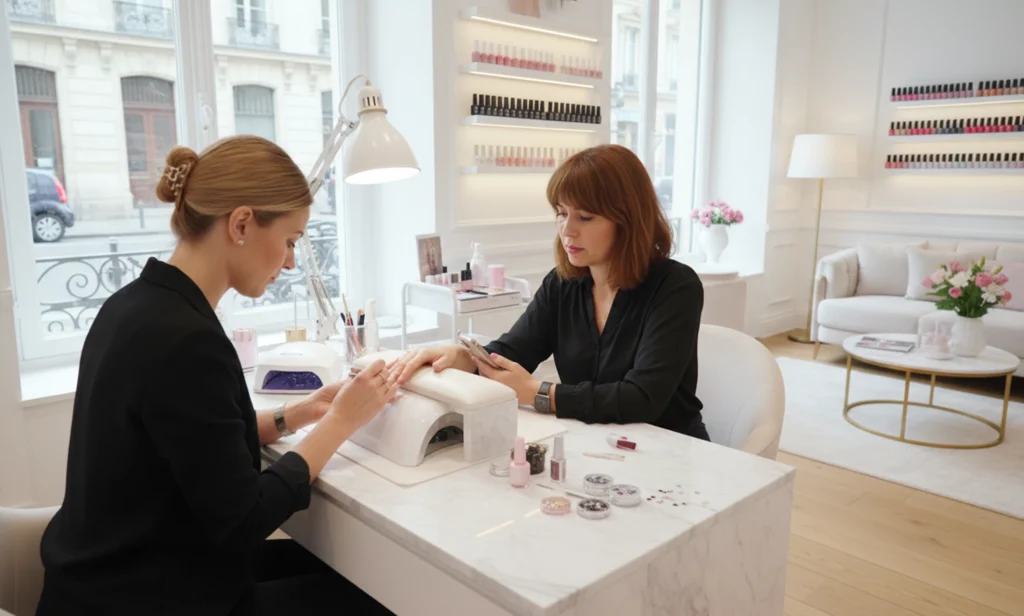
I vividly remember a client whose natural nails were so thin they were translucent. She had an immediate allergic reaction with a regular gel. After switching to a TPO Free + HEMA Free formula, she completed three manicures in a row with zero discomfort, and her nails gradually became stronger.
For anyone with brittle nails, sensitive skin, those who are pregnant, or long-time gel wearers, a dual-free formula isn’t just a bonus—it’s the absolute baseline.
Part 2: My Strict Selection Criteria: Recommending Only What’s Truly Best for Brittle Nails
After so many years in this industry, I use just 4 hard rules to screen for safe gel polishes. If a product misses even one, I don’t recommend it:
- Pure Ingredients: No TPO, no HEMA, and no harsh solvents.
- Restorative Power: Contains beneficial additives like Vitamin E, keratin, or natural resins to help strengthen nails while wearing color.
- Gentle Removal: Can be soaked off easily, avoiding aggressive filing or peeling.
- Proper Certification: Has valid CE, MSDS, and GMPC certifications, guaranteeing safety at the source.
3 TPO Free Gel Polishes I’ve Tested and Recommend
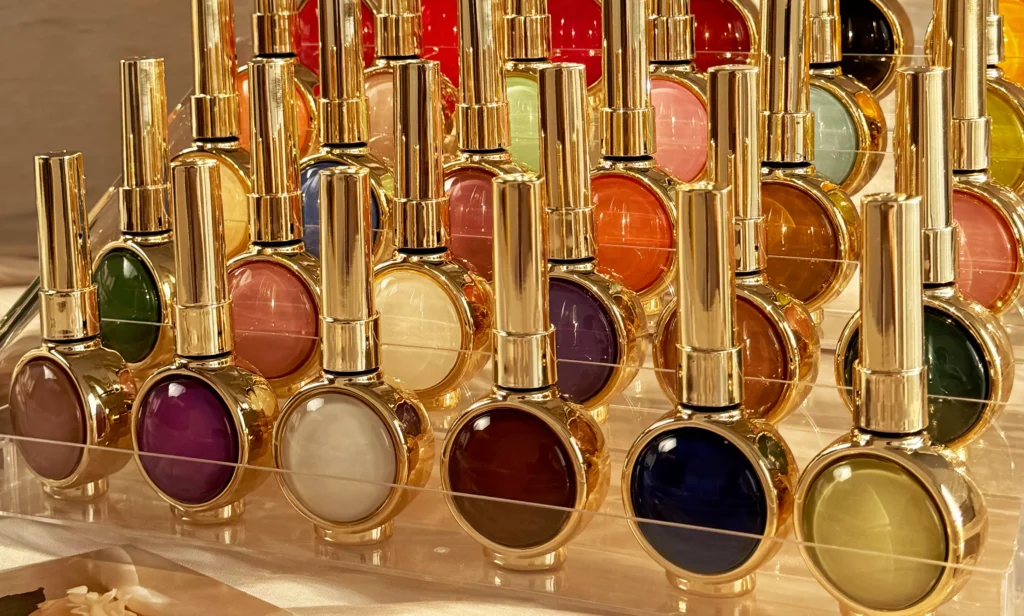
1. Chroméclair HEMA Free Gel Polish(My Top Pick)
- HEMA-free&TPO-free ensuring safe, low-allergy use.
- Uses high-purity UV-curing resin; cures quickly in 15–30 seconds.
- Offers advanced, translucent colors with excellent self-leveling, making it easy even for beginners to apply smoothly.
- Can be removed by soaking for 5–8 minutes without damaging the natural nail.
- Best for: Sensitive nails, brittle nails, salon use, and DIY at home.
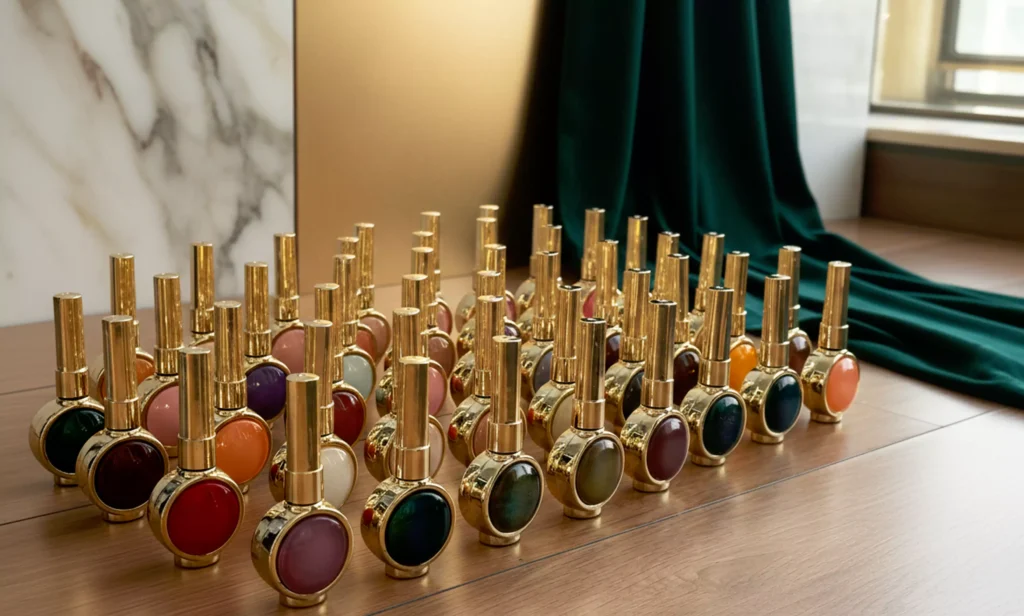
This is my personal go-to. Whether for clients or myself, the comfort and reliability are unmatched.
2. Neissry TPO Hema Free Gel Polish
- Meets EU safety standards, formulated with a natural resin base.
- High durability, lasting up to approximately 5 weeks. Ideal for thin, soft nails needing long-term protection.
- Almost odorless with good building properties, allowing for slight nail strengthening.
- Best for: Long-term manicure wearers, those with easily breakable nails, and nails needing restoration.
3. Neissry Lace Base Gel
- A dedicated base coat that adheres gently without lifting.
- Protects the nail plate by minimizing direct contact with color gels.
- Enhances overall manicure durability without feeling suffocating on the nail.
- Best for: An absolute must-have base for anyone with brittle nails.
Part 3: Key Features: Prioritizing Safety and Nail Health
1. Low-Allergy, Low-Irritation from the Start
The dual-free formula significantly reduces the risk of contact dermatitis. Based on my salon records, switching to these products led to an over 80% decrease in allergic reactions.
2. Nourishing Repair, Nails Get Stronger Over Time
Good TPO Free gels incorporate restorative ingredients:
- Vitamin E: An antioxidant that improves nail surface dryness.
- Keratin: Helps fill in the nail’s fibrous structure, enhancing hardness.
- Natural Resins: Increase flexibility, making nails less prone to splitting and cracking.
3. Easy Removal Means Less Damage
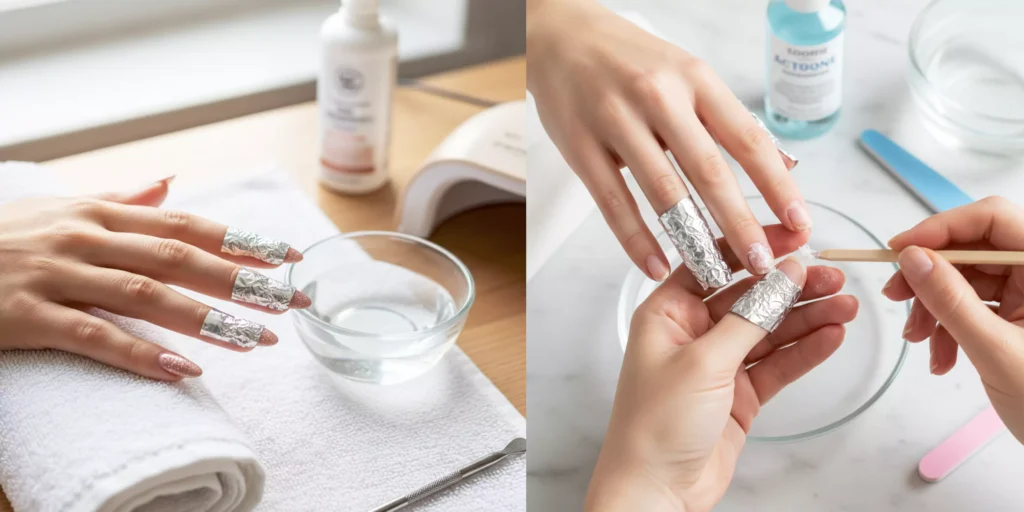
Aggressive removal is the biggest enemy of brittle nails. High-quality TPO Free gels only need 5–8 minutes of soaking in acetone. The color then slides off gently with a light push, eliminating the need for harsh filing.
4. Long-Lasting Wear = Fewer Damaging Procedures
A manicure that lasts 2–5 weeks means you need to redo it less often, reducing the cumulative wear and tear on your nails. This itself is a form of protection.
Part 4: My Go-To Application Tutorial: The Safest Method for Brittle Nails
Step-by-Step Application (Follow this for durability without damage)
- Prep: Clean and thoroughly dry the nail surface to remove all oils and moisture.
- Base Coat: Apply a very thin layer of a gentle base gel and cure under the lamp.
- Color: Apply 2 thin layers of color gel, curing each layer separately for 30–60 seconds (follow your lamp’s instructions).
- Top Coat: Finish with a top coat and cure completely.
- Hydrate: Apply cuticle oil to moisturize and nourish.
3 Crucial Tips to Remember
- Always apply multiple thin coats rather than one thick coat.
- Cure strictly according to the product’s recommended time. Under-curing leads to peeling AND leftover uncured irritants.
- Never, ever peel off the gel. Always soak for removal.
Part 5: Final Reminders: Don’t Fall into These Traps
- When trying a new product for the first time, always do a patch test.
- After 2–3 consecutive manicures, give your nails a rest for 3–7 days.
- Only buy from reputable brands that carry CE, MSDS, and GMPC certifications.
- If a gel polish has a strong, sharp odor or causes a burning or stinging sensation during curing, stop using it immediately.
My Outlook: The Future of Manicures is “Gentler”
I’ve always believed that the next direction for nail products isn’t about being brighter or longer-lasting, but about being safer and healthier for the nail. In the future, we’ll see more biodegradable, reparative, and zero-irritation materials, allowing even those with brittle and sensitive nails to enjoy beautiful manicures freely.
Have you ever experienced gel allergies or noticed your nails getting thinner over time? Do you care more about safety or durability in a gel polish? Feel free to share your thoughts in the comments below!
 English
  Spanish
  German
  French
  Italian
  Dutch
Dutch