
Ever found yourself admiring your freshly manicured nails and wondering to yourself, “Have I just over-cured my gel polish?”
I know exactly how you’re feeling. I’ve been in your shoes too – under the lamp, waiting anxiously for the minutes to tick by as I deliberate in my mind whether or not to press the ‘add 30 seconds’ button for good measure. I reckon this might be one of the biggest concerns every nail enthusiast faces. Of course, we all want our gel polish to last for weeks and weeks on end. The problem lies in the fact that achieving the perfect curing time for our gel polish is just darn too hard to do.
In this article, I’ll be guiding you through everything you need to know about over-cured gel polish. So be sure to read on! I’ve been perfecting my gel polish techniques for quite some time now, so rest assured these tips will be coming in handy for you.
Let’s get started!
What Is Proper Curing Time for Gel Polish?
The process by which the esmalte en gel is cured is the method by which the gel polish dries when exposed to a lamp, either UV or LED. In order for the gel polish to cure properly, it has to be exposed to the right amount. If it is not exposed to the right amount, it will not cure properly. On the other hand, the gel polish will not benefit from being cured beyond the right amount.
The time taken for the curing of the gel polish is normally within a certain range. This range is between 30 seconds to 60 seconds per layer, in case an LED lamp is being used. In case a UV lamp is being used, the range is 2 minutes per layer. It is recommended that one stays within the range so as to cure the gel polish appropriately.
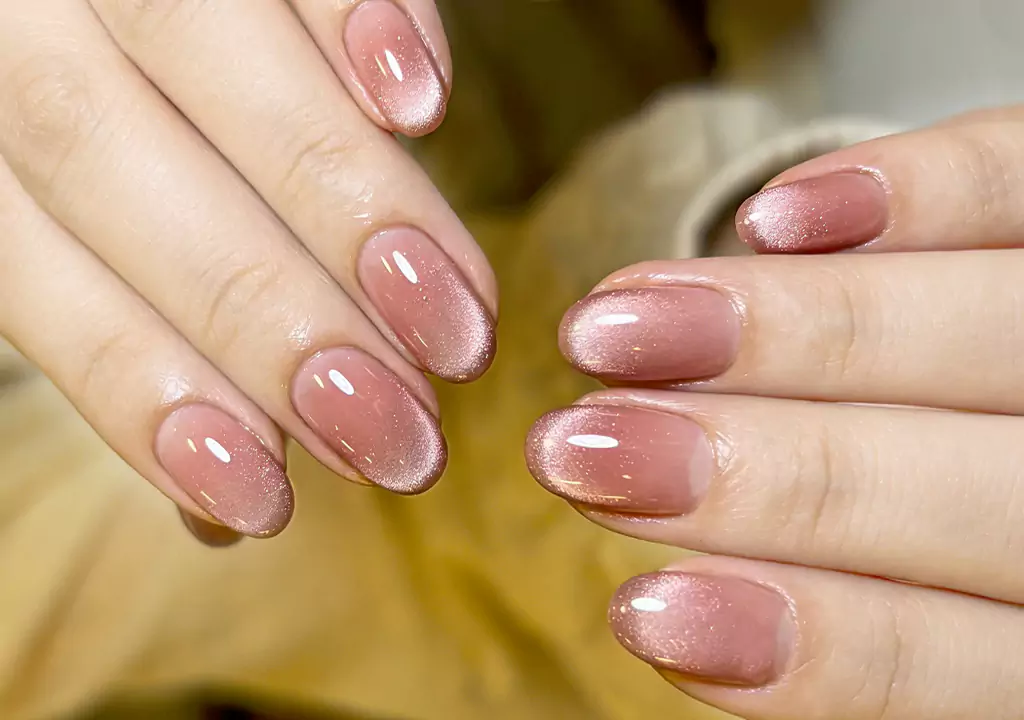
What Does “Overcured” Mean in Gel Polish?
So here is the science behind it: Gel polish does not dry. Drying and curing are two different things. Drying is evaporation. Curing is a chemical reaction. When the gel polish is exposed to the lamp, this chemical reaction takes place. This chemical reaction changes the liquid gel polish into a solid. Once this chemical reaction is done, the gel polish will not get harder and cure over time.
The term overcured has been misinterpreted by many. Gel polish does not cure over time. Too much time exposed to the lamp will not make the gel cure. Too much time exposed to the lamp will affect the flexibility, color, comfort, and removal. Overcured means that the gel polish was exposed to too much lamp time.
Can Gel Polish Actually Be Overcured?
Yes, it can be exposed to too much UV or LED light, but this is rare. The majority of problems with gel polish are the result of under-curing, not over-curing. When over-curing occurs, it is not because it was exposed to the lamp for more time than recommended, it is because the lamp was not the correct one.
A lamp that is too powerful for the type of gel polish being used can give it more light than it can handle in the recommended time.
What Happens When Gel is Exposed Too Long:
When the gel polish is fully cured, more light will not hurt it. Too much light can actually cause problems with the already cured gel polish. It can cause the gel polish to become stressed, which can affect its flexibility. It can cause changes in the appearance of the gel polish, such as dullness or yellowing if it is a light color, or it can cause it to chip prematurely.
Signs Your Gel Polish May Be Overcured
Although overcured esmalte en gel looks perfectly normal, there can be some changes that can happen over time. The changes that can be expected are usually with regard to wearability or removability instead of any adverse effects on the health of the nail.
- Yellowing or Change of Color: If the gel polish color is lighter in shade, such as white or nude, it can turn yellow.
- Brittle or Cracking Gel Polish: The gel polish can be inflexible. Because of this inflexibility, the gel polish will not bend with the curve of the nail; instead, it will chip or crack.
- Heat Surges or Burning While Curing: Too much light can cause heat surges. It can be an uncomfortable feeling when under the lamp.
- Difficult Removal or Soak-Off: The gel polish can become very resistant to acetone if it is overcured. It can be difficult to soak off.
- Premature Chipping After Proper Application: The inflexibility of the gel polish can cause it to chip prematurely.
What Causes Gel Polish to Be Overcured?
Overcuring is normally caused by the lamp used or application habits, not because of curing for a few seconds too long.
- Using a lamp too powerful for curing: Some gel polish products are not made for high-watt LED lamps. This excessive amount of light energy can cause too much stress on the gel polish even at recommended curing times.
- Too much curing: Double curing a layer of polish or a top coat does not help durability.
- Thick application of gel polish: This holds more heat during curing, increasing stress in the cured gel polish and the risk of heat shock and stiffness.
- UV overexposure (not common with sunlight exposure): Sunlight does not have a significant effect on cured gel polish.
Overcured vs. Under-Cured Gel Polish
Overcured and under-cured esmalte en gel can look similar at first, but they behave very differently. Understanding the difference helps fix the problem correctly and avoid nail damage.
| Característica | Overcured Gel Polish | Under-Cured Gel Polish |
|---|---|---|
| Textura | Fully hardened | Soft, gummy, or flexible |
| Surface Feel | Smooth but stiff | Sticky, dentable, or moving |
| Main Issue Type | Cosmetic issue | Potential health risk |
| Confort | Generally comfortable | Burning, itching possible |
| Nail Safety | Safe but may wear poorly | Can cause skin reactions |
| Mudanzas | Harder to soak off | Smears or clogs file |
How to Prevent and Handle Overcured Gel Polish
Overcuring of gel polish can be prevented with proper techniques. However, if there is overcuring, there are ways to safely deal with it. This can be achieved by simply following proper steps to protect the gel polish while still keeping the nails healthy.
- Follow the instructions: Always follow the instructions on the gel polish for proper curing.
- Thin layers: Apply thin layers of gel polish.
- Lamp compatibility: Always use a lamp that is compatible with the gel polish used.
- Avoid double-curing: Make sure you are not double-curing your gel polish.
- Change old lamps: Old lamps can cause many problems.
- Gentle removal: Overcured gel polish can be soaked properly instead of filing. Stop filing when you feel the gel polish is softening while soaking.
Other Common Gel Nail Curing Mistakes
Most problems with gel polish arise from errors in application and curing, not from over-curing.
- Thick application: Applying gel polish too thickly will inhibit light from penetrating the polish.
- Old or weak lamps: Lamps have a tendency to lose power with time, thus failing to cure gel polish completely.
- Incorrect placement of the hand: Failure to place the hand at the correct angle will inhibit some parts from being cured completely.
- Rushing the curing time: This will leave the gel polish in a tacky state.
- Not understanding the sticky layer: It is natural for gel polish to have a tacky layer after curing. Confusing this with under-curing will cause you to over-file.
Quick Debunk of Overcured Gel Myths
Many people have misconceptions about overcured esmalte en gel. Let’s clear them up.
| Myth | Reality |
|---|---|
| Gel keeps curing forever | Once fully cured, the chemical reaction stops. |
| Overcuring makes gel last longer | Excess light makes esmalte en gel stiff and prone to chipping. |
| Sticky layer means under-curing | The tacky layer is normal. It does not indicate under-curing. |
| Longer lamp time fixes issues | Extra time cannot fix thick layers or wrong lamp type. |
UV vs LED Lamp: What’s Best for You?
There are two forms of drying gel polish: UV and LED. They both work in the same way. The molecules in the gel polish dry when they are cured. The only difference between the two is the speed at which they dry.
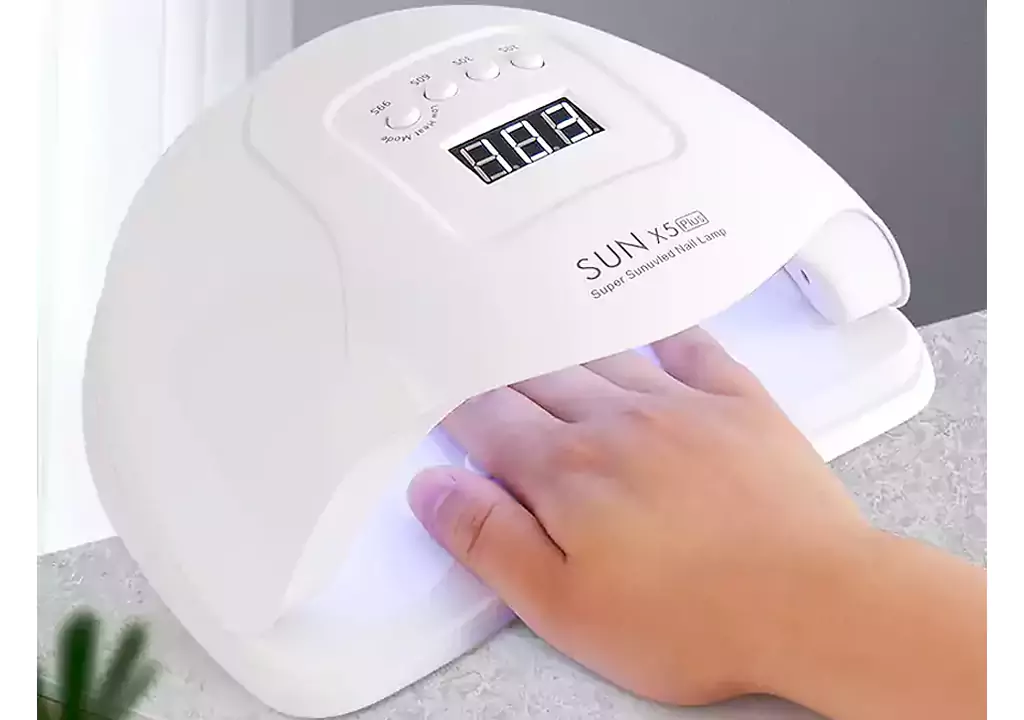
- LED Light: This light is faster and more energy-efficient. The gel polish dries in 30-60 seconds.
- UV Light:This light is more versatile. The older gel polishes work better with this light. The gel polish takes about 2 minutes to dry in this light.
which light should you use? The answer depends on the gel polish you use.
Reflexiones finales
I hope I’ve provided you with everything you need to know about over-cured gel polish. From identifying the symptoms to avoiding over-curing in your own nail application. Now you know the secrets to curing your gel polish correctly with the right lamp and the right curing times to keep your nail strong, flexible, and flawless.
As you know, your curing times are just as important as your actual color. It’s not just about looking good; it’s about looking good and feeling confident with your nail care. With these tips, you can be confident every time you apply your gel nail polish. Avoid the mistakes that most beginners make.
Why not give your curing times a go today and see just how smooth your gel polish can look?
Frequently Asked Questions
Can Overcured Gel Damage Natural Nails?
Overcured gel polish does not normally damage natural nails. Overcured gel polish may cause the gel polish film to be stiff, which can make it hard to remove. This can cause the natural nail to be thinned.
Can Builder Gel Be Overcured?
Yes, builder gels can be overcured. Overcuring builder gels can cause them to be brittle, stiff, and hard to remove, just like other gel polish.
Does Curing Gel Longer Make It Harder?
After gel polish has been sufficiently cured, extra curing does not make the gel polish harder. It can cause the gel polish to be brittle but does not make it stronger.
Is Burning Under a Lamp a Sign of Overcuring?
A burning feeling can occur when using high-watt lamps, when curing thick gels, or when double curing. This is because of the stress on the gel polish; however, overcuring does not cause burning.
References & Resources
- Nailpro: The Truth About Over-Curing Gel Polish
This article provides expert insights from industry professionals on the chemical limits of gel polish curing.
(Source: Nailpro Magazine) - The GelBottle Inc.: Curing Guide & Troubleshooting
A detailed guide from a leading gel brand on proper curing techniques and how to avoid over-curing.
(Source: The GelBottle Inc. Official Site) - Salon Success: UV/LED Lamps – What You Need to Know
An educational piece discussing the technical differences between lamps and how to match them with your gel polish system.
(Source: Salon Success)
 English
  Spanish
  German
  French
  Italian
  Dutch
Dutch