
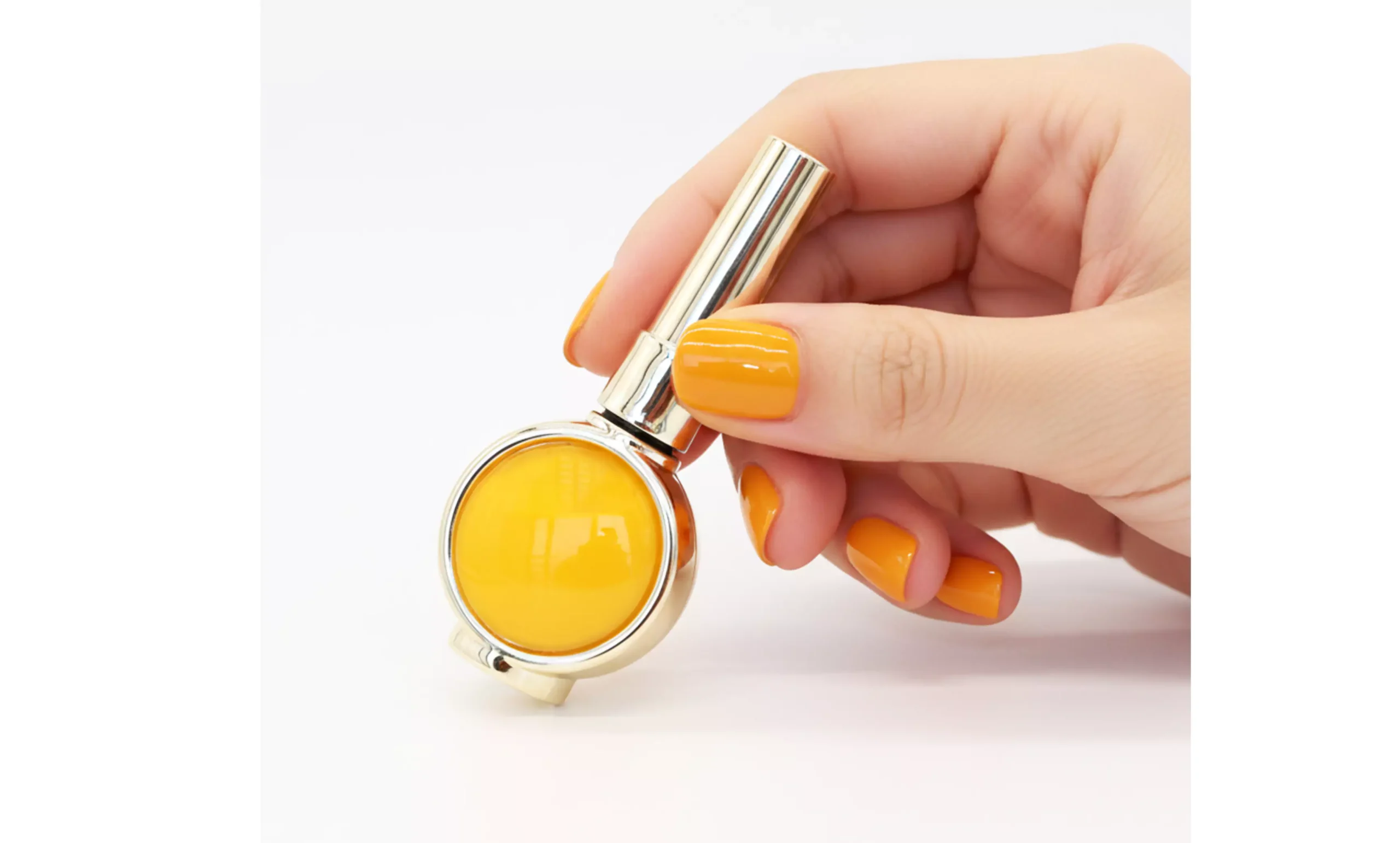
Hi everyone, I’m Starry, a nail supply and formulation professional with 8 years of hands-on experience in the nail industry. I work with gel polishes, light-cured raw materials, and global compliance standards every single day, and I’ve seen countless techs and beauty lovers run into issues like allergies, damaged nails, and constant worry over hidden health risks from nail products. When the EU’s TPO ban dropped, it sent shockwaves through the global nail community, and I’ve been flooded with questions: Is TPO in every gel polish? Are gel manicures actually harmful? Can I get gel nails while trying to conceive or pregnant? Today, I’m breaking everything down with real industry insight to help you avoid toxic ingredients and pick safe, reliable products for your nails.
1. First Things First: What Exactly Is TPO? It’s NOT in Every Gel Polish
Most people hear “TPO” and assume it’s a mandatory, secret ingredient in all gel polishes—but that’s simply not true. After years working in raw material warehouses and product development labs, I can say this clearly: Not all esmaltes en gel contain TPO. It’s just one type of photoinitiator, and it only became widespread because of its early performance and cost benefits.
TPO stands for 2,4,6-Trimethylbenzoyl-Diphenylphosphine Oxide, and it’s essentially a “curing accelerator” for gel polish. Think about traditional nail polish: it takes 30+ minutes to air-dry and smudges easily. Gel polish hardens fully in under a minute under an LED/UV lamp, and that fast, durable cure relies on photoinitiators like TPO, which trigger a chain reaction when exposed to UV light to set the gel solid.
Why TPO Became a Staple in Early Gel Formulas
- Fast curing speed: Fully sets in 30–60 seconds under a standard LED lamp with no sticky inhibition layer, making it perfect for busy salons to keep appointments on track.
- Complete cross-linking: Cures all layers of gel, not just the top surface, creating a hard, chip-resistant finish that holds up to daily wear and hand washing.
- Wide compatibility: Works with most color pigments and base resin systems, making it the go-to choice for most affordable and mid-range gel polishes in the early days of gel manicures.
I remember when I first started in the industry: roughly 90% of gel polishes on the market used TPO as the primary photoinitiator. It was affordable, consistent, and no one really questioned its safety—until the EU issued its formal ban, pushing the entire industry to pay attention to ingredient risks.
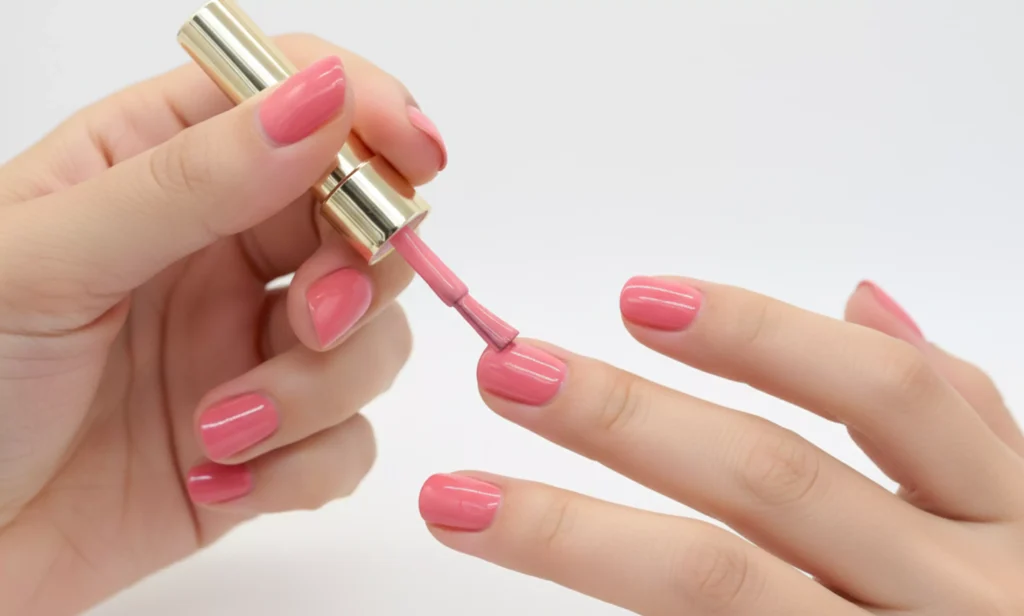
2. Why Did the EU Ban TPO? Reproductive Toxicity Risks, Precaution Over Uncertainty
On September 1, 2025, the EU Regulation 2025/877 officially came into force, adding TPO to the EU Cosmetics Regulation list of prohibited substances. It’s classified as a CMR Category 1B substance—meaning it’s suspected of causing cancer, gene mutations, and reproductive toxicity. This ban applies to all 27 EU member states, plus Norway and Switzerland, and completely reshaped the global nail product supply chain, especially for brands exporting to Europe.
The Science Behind the Ban: Endocrine Disruption & Irreversible Reproductive Harm (Animal Studies)
The EU’s decision isn’t arbitrary; it’s based on years of rigorous animal studies. Research shows TPO acts as an endocrine disruptor, interfering with the body’s hormone-driven regulatory system, which serves as our internal “control center” for metabolism, growth, development, and fertility. TPO can incorrectly trigger or block hormone signals, throwing this delicate system off balance.
The study results are stark: female lab subjects exhibited infertility, while males showed reduced testicular size and lower sperm count. Most of this reproductive damage is irreversible. While there’s no direct human clinical evidence confirming the same effects, the EU follows the precautionary principle—when it comes to fertility and long-term health, there’s no room for risk.
Industry Debate Is Split, But Vulnerable Groups Must Avoid TPO Entirely
The ban sparked major debate across the nail industry. Critics argue the EU is overreacting, noting that TPO is only applied topically to nails in tiny amounts, far lower than the oral or injected doses used in animal studies. Supporters, however, stand by the strict rules: if there’s no definitive proof TPO is safe for humans, caution is non-negotiable.
As an industry insider, I don’t recommend panic—you don’t need to rush to remove all your gel nails immediately. But anyone who is pregnant, breastfeeding, or trying to conceive should avoid TPO-containing gel polishes completely. Fetuses and infants are extremely sensitive to hormonal disruptors, and even small potential risks are worth avoiding entirely. This is my non-negotiable advice for all my long-term clients.
3. TPO Is Just the Tip of the Iceberg: Other Hidden Nail Product Hazards
Let’s be real: TPO is only one small part of the safety risks in nail products. I’ve handled countless allergy cases over the years, from techs developing rashes and blisters from long-term exposure to cheap gels to clients dealing with thin, brittle nails after regular gel manicures. Most of these issues stem from ignoring other harmful ingredients in common nail formulas.
High-Risk Ingredients to Avoid in Gel Polish & Nail Products
A study published in the journal Dermatitis reviewed 156 cases of nail-related allergic contact dermatitis in female patients (both techs and clients) at a Greek hospital between 2009 and 2018. Patch testing found that ethylene glycol dimethacrylate had an astonishing 97.4% positive reaction rate—and this ingredient is found in many low-quality gel polishes.
- HEMA & Similar Acrylates: The top allergen in nail products. Uncured gel touching skin often causes itching, redness, and blisters, and long-term exposure can lead to chronic, lifelong allergies.
- Formaldehyde, Toluene, & Phthalates: Classic toxic trio. They dry out and weaken nails, and their fumes irritate the respiratory tract; long-term inhalation poses serious health risks.
- Triphenyl Phosphate & Low-Grade Resins: These also act as endocrine disruptors, similar to TPO, with hidden long-term risks from repeated exposure.
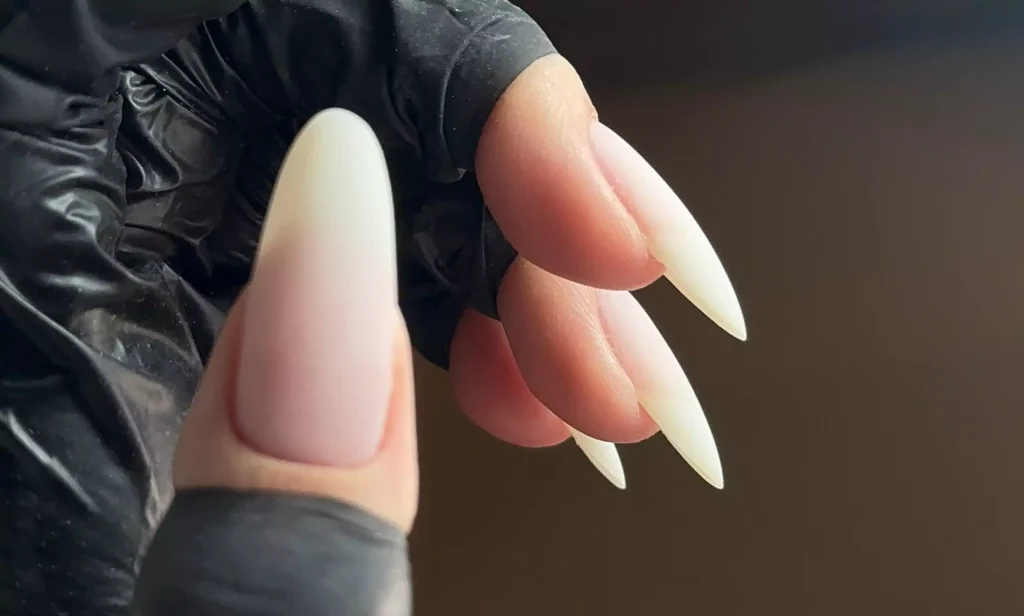
I have a nail tech apprentice I’ve worked with for five years. Early in her career, she cut costs by using cheap base gel and touched uncured product with bare hands every single day. Within six months, she developed severe contact dermatitis; her hands itched so badly that she couldn’t work, and it took nearly a year of treatment to fully recover. Since then, she only uses certified, non-toxic products in her salon.
What’s more, buffing the nail surface damages the nail bed barrier, increasing the absorption of chemicals into the body. Add in the strong, chemical fumes inhaled during application, and it’s a double dose of harm for both techs and clients.
4. 2026 Industry Trend: TPO-Free & HEMA-Free Gels Are the New Standard
Following the EU TPO ban, 2026 is a critical year for compliance and reform across the global nail industry—especially for suppliers and brands exporting to Europe. Most reputable manufacturers have already phased out TPO-based formulas, switching to safer alternative photoinitiators. Bio-based and non-toxic gel polishes have moved from a niche option to the mainstream.
Your Step-by-Step Guide to Choosing Safe Gel Polish
- Check ingredient labels first: Prioritize products clearly labeled Sin TPO y Sin HEMA. Reputable brands display these claims prominently, so you can cross-reference the CAS number 75980-60-8 to steer clear of TPO-containing formulas entirely.
- Verify certifications: Look for EU SGS certification and skin irritation test reports. Brands like CHROMÉCLAIR (a specialized Hema & Tpo free gel polish brand) formulate without harmful additives, drastically reducing allergy risks.
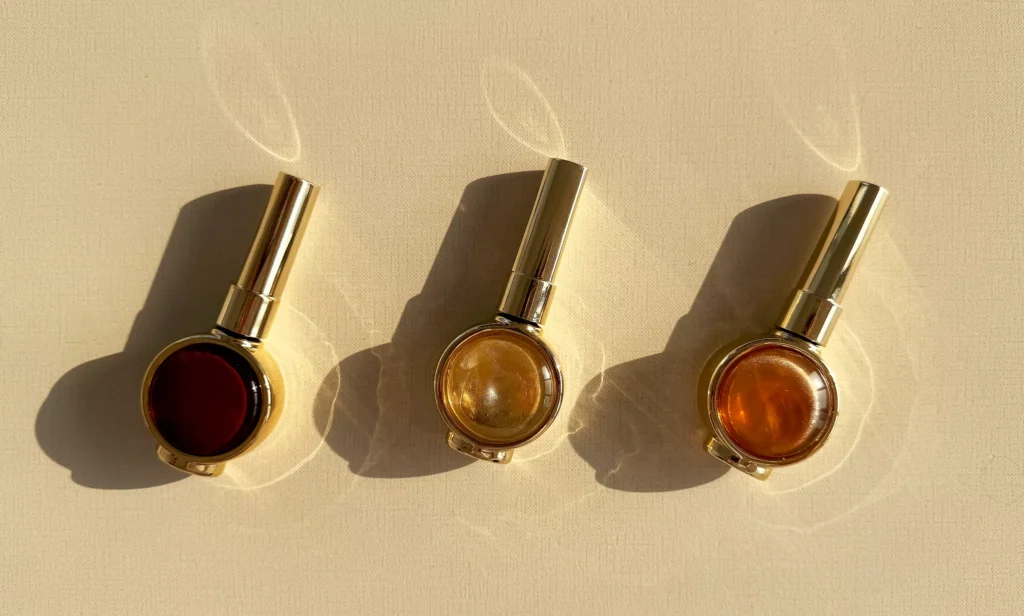
- Test texture and scent: High-quality TPO-free gel has a mild, faint scent—no harsh chemical fumes. It cures to a hard, glossy finish, with vibrant color and wear time of 21–35 days, matching traditional gel performance.
- Salon safety rules: Always ask about product ingredients before a manicure. Request the tech wears gloves to avoid uncured gel touching your skin, and avoid excessive buffing of the natural nail plate.
All the brands I partner with have now completed full formula reformulations. The alternative photoinitiators cure just as effectively as TPO, but they come with far gentler formulas that are safe for sensitive nails and those trying to conceive. They cost a bit more than traditional gels, but your health is worth far more than temporary, pretty nails.
At the end of the day, we get manicures to feel confident and beautiful, never at the cost of our health. Both nail techs and beauty lovers should take time to learn about key ingredients, and always chooseEsmalte en gel sin TPO rather than settling for cheap, potentially toxic products.
Let’s chat: Have you ever had an allergic reaction or damaged nails from gel manicures? Do you read ingredient labels before choosing gel polish? Drop your tips and experiences in the comments below!
 English
  Spanish
  German
  French
  Italian
  Dutch
Dutch