
You might notice your base coat feels sticky after curing. That sticky layer plays a big role. It helps the next color or Rubber Base Coat grip better. You don’t need to worry about this. The stickiness means your manicure will last longer and stay strong.
Match your color with the right top coat
Peeling, dullness, and weak wear often come from an incomplete system. Pair your color gel with a compatible top coat for a smoother at-home finish.
Key Takeaways
- The sticky layer on your base coat is essential. It helps the next polish layer bond better, ensuring your manicure lasts longer.
- Apply thin layers of base coat for even curing. Thick layers can lead to uneven stickiness and affect the overall finish.
- Always cure your base coat properly. Use an LED lamp for 45 seconds or a UV lamp for two minutes to achieve the right level of stickiness.
Why Is Base Coat Sticky?
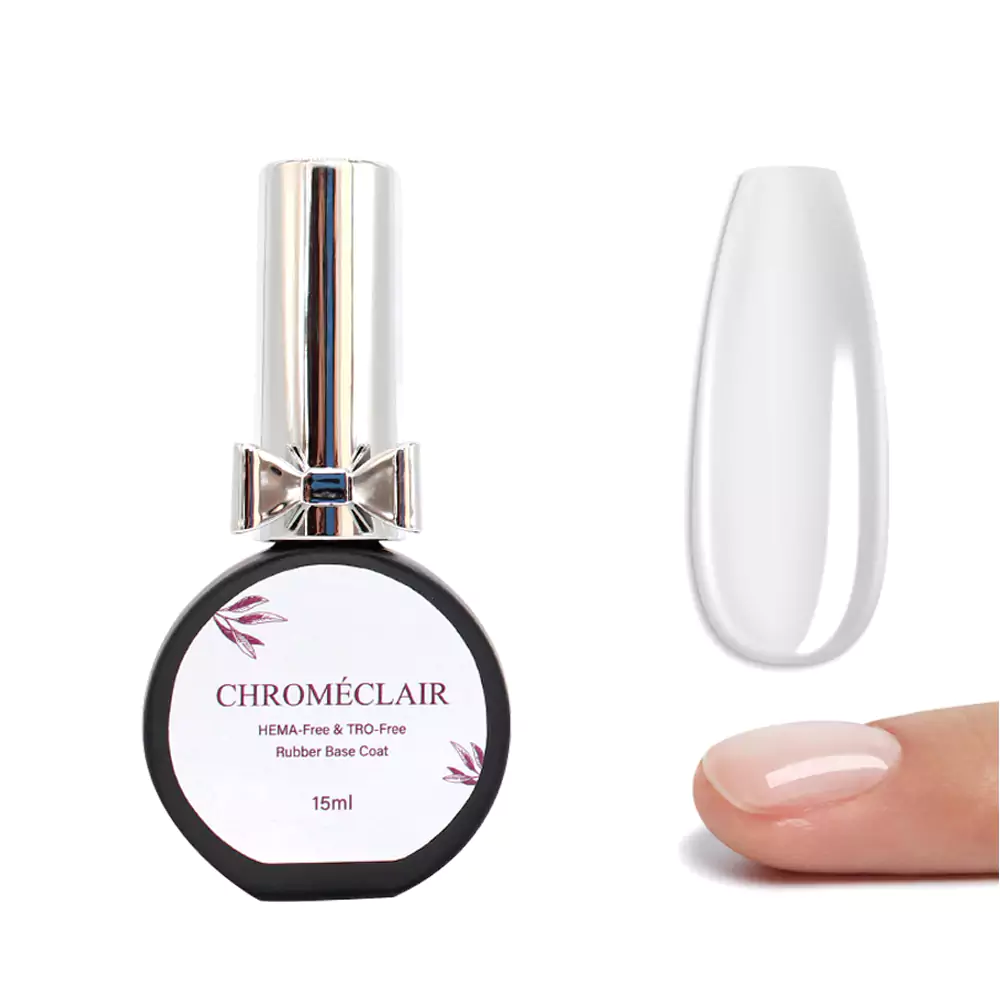
The Inhibition Layer Explained
You might wonder why your base coat feels sticky after you cure it under a lamp. The answer comes down to science. When you cure gel polish, oxygen in the air interacts with the surface. This stops the polymer chains from growing all the way. The result is a sticky layer called the inhibition layer.
The inhibition layer in gel base coats is formed due to the presence of oxygen, which inhibits the growth of polymer chains during the curing process. When oxygen is present, it blocks the ends of the growing polymer chains to prevent or ‘inhibit’ these chains from becoming any longer. This results in a sticky top layer that remains in a semi-hardened form, easily removable from the hardened gel layer beneath.
You need this sticky layer for your manicure to work. It sits on top of the hardened base coat and helps the next layer stick better. If you wipe it off too soon, the color or top coat may not bond well.
Sticky Layer and Adhesion
The sticky layer is not just a random side effect. It plays a big role in making your manicure last. You want your color coat or top coat to grip the nail. The sticky layer helps with that.
- The inhibition layer, also known as the tacky layer, provides a sticky residue that enhances the adhesion of the color coat to the nail.
- Proper curing is essential to ensure the inhibition layer is present for optimal adhesion.
When you apply your color or top coat, it grabs onto the sticky base coat. This creates a strong bond. Your manicure stays put and looks fresh longer. If you skip the sticky layer, you risk peeling or chipping.
Is Stickiness Ever a Problem?
Sometimes, you might notice your base coat feels too sticky or not sticky enough. This can happen for a few reasons. Nail technicians see these issues often. Here’s a quick look at what can go wrong:
| Cause | Explanation |
|---|---|
| Thick Application | Applying too much top coat can prevent it from drying evenly, trapping moisture and causing stickiness. |
| Incompatible Products | Using products from different brands can lead to chemical reactions that prevent proper setting. |
| Environmental Factors | High humidity and extreme temperatures can interfere with the drying or curing process. |
| Residual Inhibition Layer | Gel polishes often leave a sticky layer after curing that needs to be wiped off for a smooth finish. |
| Insufficient Cured Gel Polish | Improper UV/LED lamp functioning or inadequate curing time can lead to a sticky top coat. |
If your base coat is too sticky, check your lamp and curing time. Make sure you use thin layers. Try to stick with products from the same brand. If you notice no stickiness at all, your base coat may be over-cured or the formula might not be right. You want a little tackiness for the best results.
Using Base Coat Correctly
Base Coat Application Tips
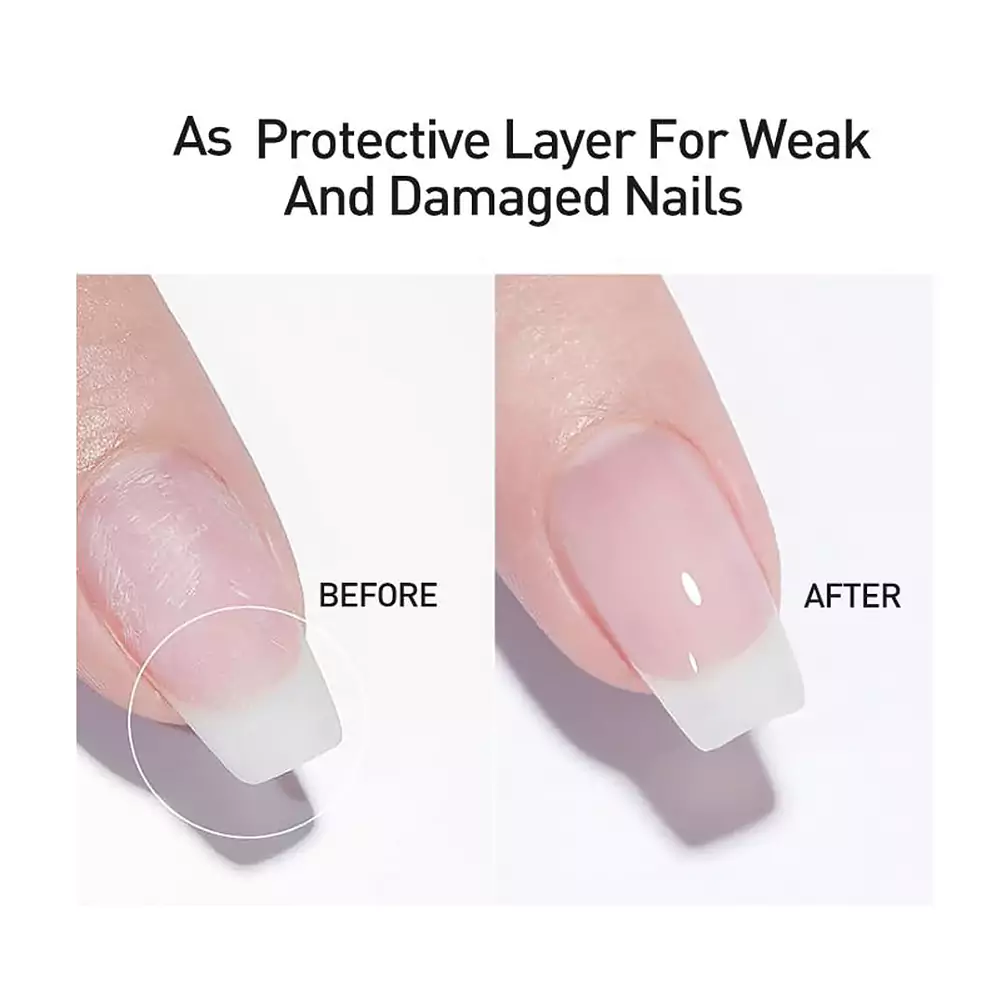
You want your manicure to last, so starting with the right base coat technique matters. Begin by cleaning your nails, pushing back cuticles, and lightly buffing the surface. This helps the base coat stick better and prevents peeling. Apply a thin layer—thick coats can cause uneven curing and extra stickiness. Nail salons use thin layers for even results and shape nails before applying anything. If you use thin layers, you get a smoother finish and better adhesion.
Curing for Best Results
Curing is where the magic happens. Place your hand under an LED lamp for about 45 seconds. If you use a UV lamp, two minutes works best. Check your lamp regularly to make sure it’s working well. Here’s a quick guide:
| Base Gel Polish Coat | Curing Time | Lamp Type |
|---|---|---|
| Base Gel Coat | 45 seconds | LED |
Don’t over-cure or under-cure. Over-curing can make the base coat lose its tackiness, while under-curing leaves it too sticky.
Handling the Sticky Layer
After curing, you’ll notice a sticky layer. This is normal and helps the next polish layer grip. Avoid touching it with your fingers to prevent contamination. If you want a smooth finish after the top coat, use a lint-free wipe soaked in isopropyl alcohol to gently remove any residue.
Troubleshooting Base Coat Issues
If your base coat feels too sticky, check your lamp and make sure you’re using thin layers. High humidity or low temperatures can also affect curing. If the base coat isn’t sticky enough, you might have over-cured it. Always use products from the same brand for best results. For stubborn stickiness, wipe with a gel cleanser or isopropyl alcohol.
You might wonder why the sticky base coat matters. It acts as the glue for your manicure. Experts and users agree this layer helps your polish last longer.
- The sticky layer keeps each coat bonded.
- It prevents lifting and chipping.
- You should leave it until the final top coat for best results.
FAQ
Why does my base coat stay sticky after curing?
The sticky layer forms because oxygen stops the gel from fully hardening. You need this layer for the next polish to stick well.
Why shouldn’t you wipe off the sticky layer before applying color?
If you remove the sticky layer, the color coat may not bond. You want to keep it for better adhesion and a longer-lasting manicure.
Why do some base coats feel extra sticky?
- You may use thick layers.
- Your lamp might not cure evenly.
- Humidity can affect the curing process.
 English
  Spanish
  German
  French
  Italian
  Dutch
Dutch