
Do you top coat before panel lining? Yes, you should always apply a gloss topcoat first. Gloss creates a smooth surface, so panel lines look sharp and clean. You protect your model from stains and make mistakes easy to fix. Beginners often see better results when following this order.
Tip: Gloss topcoat helps panel liner flow into grooves without spreading or smudging.
Key Takeaways
- Always put on a gloss topcoat before panel lining. This gives a smooth surface for neat, clear lines.
- A gloss topcoat keeps your model safe from stains. It also makes it easy to clean up if you make a mistake.
- Gloss topcoat makes colors and details look better. It helps panel lines show up more than matte finishes.
- Do things in order: paint, gloss coat, decals, then panel lining. This gives the best results.
- Do not make mistakes by using thick topcoat layers. Put on thin layers and let each one dry. This stops smudging.
Do You Top Coat Before Panel Lining?
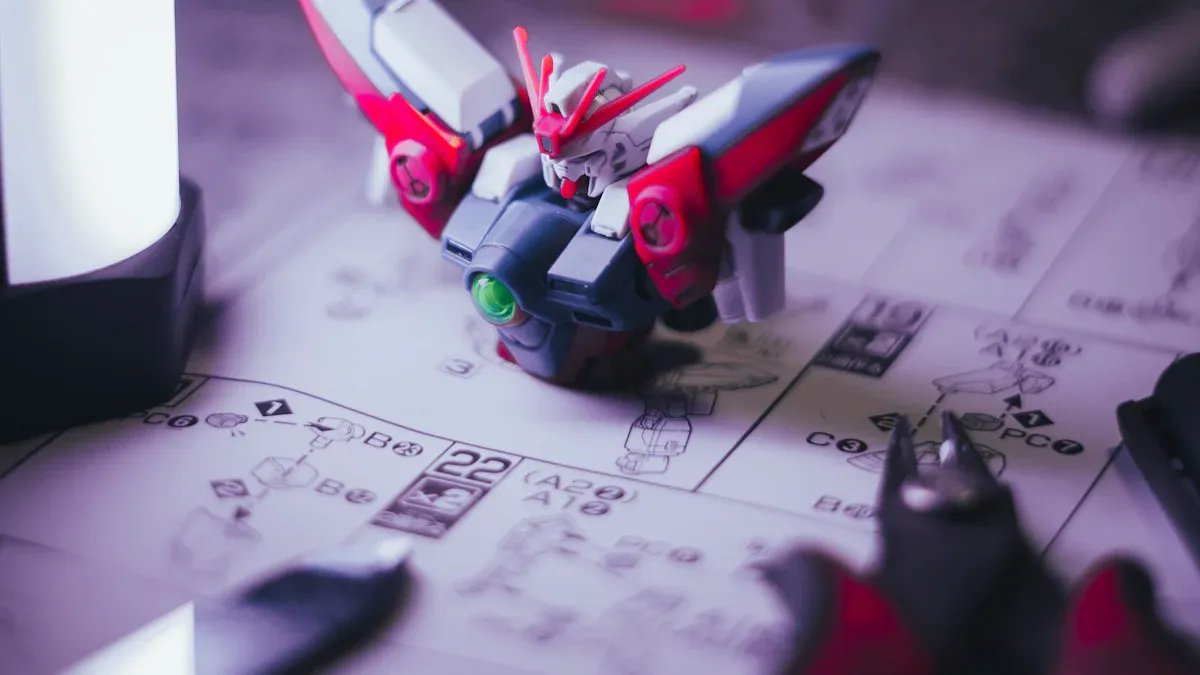
Recommended Order
When you build and paint a model, you want every detail to stand out. The question often comes up: do you top coat before panel lining? You should follow a specific order to get the best results. Professional model builders recommend this sequence:
- Paint your model as you normally would.
- Apply a clear gloss coat over the entire surface. This protects the paint and creates a smooth base for panel lining.
- Add decals on top of the gloss coat.
You might wonder why this order matters. If you skip the gloss topcoat or apply panel lining first, you risk smudging and uneven lines. The gloss layer acts like a shield. It keeps your paint safe and makes cleanup easy if you make a mistake. When you ask, do you top coat before panel lining, remember that following this order helps you achieve sharp, clean lines and a professional finish.
Note: Applying gloss topcoat before panel lining makes the panel liner flow into grooves smoothly. You avoid messy edges and stains.
Recommended next step
Smooth, Long-Lasting Gel Routine
Bubbling, peeling, shrinkage, and dull wear are usually system problems. Build the manicure with prep, base, color, and top coat together.
- Prep the nail plate before color.
- Use a base coat that matches the gel system.
- Finish with a compatible top coat for wear and shine.
Shop long-lasting routine kitSee no-wipe top coatCompare all routines
Why Gloss Topcoat Works Best
You may see both gloss and matte topcoats in stores, but gloss topcoat gives you the best results for panel lining. The smooth, shiny surface of gloss reflects light and keeps colors bright. It also protects your model from UV rays, which can fade paint over time. When you use a gloss topcoat, dirt and dust do not stick as easily, so your model stays clean.
Different brands offer gloss topcoats, but tests show that Advance Gloss works better than Advance Satin. Advance Gloss lasts longer and reflects more light. The smooth finish makes panel lining easier because the liner flows into the grooves without spreading. You spend less time cleaning up mistakes, and your lines look crisp.
Here is a quick comparison:
| Feature | Gloss Topcoat | Matte Topcoat |
|---|---|---|
| Surface Texture | Smooth | Rough |
| Panel Line Quality | Sharp, clean lines | Blurry, uneven |
| Protection | High (UV, dirt) | Lower |
| Ease of Cleanup | Easy | Hard |
When you ask, do you top coat before panel lining, the answer is yes, and you should choose gloss for the best results. You get a model that looks great and lasts longer. The gloss topcoat makes panel lining simple, even for beginners.
Tip: If you want your model to look its best, always use a gloss topcoat before panel lining. You will see brighter colors and sharper details.
Effects Of Top Coating Before Or After Panel Lining
Gloss Vs. Matte Topcoat
Gloss and matte topcoats work differently for panel lining. Gloss topcoat makes the surface smooth and shiny. This helps panel liner move into grooves easily. The lines stay sharp and clear. Gloss topcoat also protects your model from stains. Cleanup is easy because mistakes wipe off fast. Matte topcoat gives a rough and flat surface. Panel liner does not move as well on matte. The lines can look blurry or uneven. If you want a dull look, use matte topcoat after the panel liner dries.
- Gloss topcoat helps panel liner flow and keeps paint safe.
- Matte topcoat can hide small details and make lines less clear.
- You can use matte topcoat last for a more real look.
Impact On Panel Line Quality
Gloss finishes make colors and details stand out more. You see panel lines better because the surface is smooth and shiny. Matte finishes do not reflect light. This can make panel lines harder to see. Some people like this for a more real look. If you ask, do you top coat before panel lining, gloss topcoat gives you sharper lines.
Tip: Use gloss topcoat first if you want your panel lines to stand out and look neat.
Protection And Cleanup
Topcoating before panel lining keeps your model safe. The gloss layer works like a shield. You can fix mistakes without hurting the paint. Cleanup is easy because the panel liner sits on the smooth surface. If you do panel lining first, you might get stains and smudges. These are hard to clean. When you put on topcoat matters for how long your model lasts.
| Topcoat Type | Description | Purpose |
|---|---|---|
| Gloss Coat | Shiny, reflects light | Protects paint and makes panel lining easy |
| Satin Coat | A little shiny | Good for modern, clean models |
| Matte Coat | Flat, does not reflect light | Best for old or military models |
You get better protection and easier cleanup with gloss topcoat before panel lining. This way, your model stays bright and clean for a long time.
Best Practices For Top Coat And Panel Lining
Step-By-Step Process
You want your model to look sharp and last a long time. Following the right steps helps you get clean lines and protects your work. Here is a simple process you can use:
- Paint your model and let it dry completely.
- Apply a gloss topcoat. This creates a smooth surface and protects the paint.
- Wait for the gloss coat to cure. This step prevents smudging during panel lining.
- Add decals if your model needs them.
- Use a panel liner or fine marker to fill in the grooves.
- Clean up extra panel liner with a plastic eraser or cotton swab.
- Apply a final topcoat. You can use matte or flat for a realistic finish.
You need the right tools for each step. The table below shows what works best:
| Tool/Material | Description/Usage |
|---|---|
| Plastic Eraser | Cleans up after panel lining. |
| Micron Pens | Good for fine details. Results may vary. |
| Pigment Pen/Sign Pen | Great for precise panel lines. |
| Copic Markers | Useful for lining. Needs careful use. |
| Flat Black Enamel Wash | Gives deep panel lines. |
| Flat/Matte Top Coat | Protects your work and adds a realistic look. |
Tips To Avoid Common Mistakes
You can avoid many problems by using the right techniques and paying attention to your environment.
- Use soft tip markers in gray or black for panel lines. Wipe off extra ink for clean results.
- Try a mechanical pencil for fine lines. You may need to go over the line more than once.
- Tamiya smoke works well for enhancing lines on a gloss finish.
- Watch out for humidity and temperature. High humidity can make topcoat sticky or cause it to dry unevenly. Big temperature changes can crack the finish or make it peel.
- Always let each layer dry before moving to the next step.
Tip: Work in a clean, dry space. This helps your topcoat stick better and keeps your lines sharp.
By following these steps and tips, you get a model that looks neat and lasts longer. You also make fixing mistakes much easier.
Common Mistakes And How To Fix Them
Frequent Errors
You may wonder why your panel lines look messy or your topcoat does not protect your model. Many beginners make the same mistakes when working with topcoats and panel lining. You can avoid these problems if you know what to watch for.
- You might apply clear coats too heavily. Thick layers can fill panel lines and hide details. This mistake happens often when you rush or use too much spray.
- You may skip using a barrier coat, like Future floor polish, before applying enamel washes. Without this layer, the enamel can damage the plastic or paint.
- You could mix products that do not work well together. For example, using solvent washes over solvent topcoats can cause reactions that ruin the finish.
Tip: Always check product labels and test on a small area first. This helps you avoid unwanted reactions.
Solutions
You can fix most panel lining and topcoating mistakes if you act quickly and use the right methods. Here is why these solutions work and how you can apply them:
- Use a cotton swab or plastic eraser to gently remove smudges from panel lines. The gloss topcoat lets you clean up mistakes without harming the paint.
- Apply thin, even layers of topcoat. You prevent panel lines from filling up and keep details sharp.
- Let each layer dry fully before moving to the next step. This stops smudging and helps the finish stay smooth.
- Choose high-quality panel liners and topcoats. Good products flow better and reduce the risk of clogs or leaks.
- Store your tools and paints in a cool, dry place. You keep them working well and avoid problems with drying or warping.
- Match your application method to the job. Use brushes for small areas and sprays for large surfaces. This gives you more control and better results.
Note: If you see uneven lines or stains, do not panic. You can fix most issues with careful cleanup and patience.
By understanding why these mistakes happen and how to solve them, you build better models and enjoy the process more. You learn from each project and improve your skills every time.
You should always use a gloss topcoat before panel lining. This step protects your model and keeps your lines sharp. If you skip this order, you risk problems like cracks or brittle plastic.
- Too much panel line paint can damage your model.
- Enamel on bare plastic may cause brittleness and micro cracks.
When you experiment with these techniques, you add depth and detail. Your model looks more realistic and the colors stand out. This process is simple to learn, so you can enjoy building and improving your skills.
FAQ
Why do you need a gloss topcoat before panel lining?
You need a gloss topcoat because it creates a smooth surface. This helps the panel liner flow into grooves and prevents smudging. You also protect your paint from stains and make cleanup much easier.
Why does matte topcoat make panel lining harder?
Matte topcoat has a rough texture. The panel liner does not flow well on this surface. You may see blurry or uneven lines. Cleanup becomes difficult because the liner can stick to the matte finish.
Why should you apply decals before panel lining?
You should apply decals before panel lining because decals can cover panel lines. If you add panel lines after decals, you create a more natural and complete look. This also prevents damaging the decals during cleanup.
Why do some panel lines look messy after topcoating?
Thick topcoat layers can fill in panel lines. This hides details and makes lines look messy. You should use thin, even coats to keep your lines sharp and clear.
Why is it important to let each layer dry fully?
Dry layers prevent smudging and mixing of products. If you rush, you risk damaging the paint or panel lines. You get the best results when you wait for each layer to cure completely.
 English
  Spanish
  German
  French
  Italian
  Dutch
Dutch