
Let’s face it—gel polish has changed the face of nail artistry forever. It’s given us long-lasting, high-gloss color in a range of shades from classic and elegant to wild and crazy, and has eliminated the need for constant touch-ups. Plus, even builder gels come in a range of fun colors so you can add a little fun and flair to your nails as well as strength and shape. Of course, as much as we love our gel polish manicures, there’s one very important question every gel polish enthusiast should ask themselves: How often should you take a break from gel polish? The “why,” “when,” and “how” of taking a break from gel polish is crucial in keeping your nails healthy, strong, and ready to rock more gel polish looks in the future.
But before we dive in, let’s debunk a popular myth: gel polish itself is not bad for you; rather, bad application techniques, bad removal techniques, and lack of breaks in between manicures are what cause damage. Our nails are living breathing entities that require a certain amount of time to replenish and rejuvenate themselves, especially considering how long they are subjected to a layer of gel polish every time you get a manicure. In this article, we will reveal everything you need to know about taking a break from your gel polish, how often you should do so, and what are the warning signs you should take a break from your gel polish.
Why You Need to Take Breaks From Gel Polish
But before we get into how often you should take a break, let’s discuss why taking a break is a necessity when you love gel polish. Your nails go through a lot of stress when you frequently use gel polish on your nails, and even though you use the gentlest techniques when applying and removing your gel polish, there is still a lot of stress that your nails go through in the long run. Some of the top reasons why you should consider taking a break from gel polish are:
- Prevent Dehydration and Thinning: While it is possible to prevent dehydration and thinning of your nails by only using a very gentle acetone-based remover (which is the only kind of remover that will allow you to remove your gel polish effectively), a study in PubMed has shown that if you constantly use a remover to remove your gel polish, it is possible for your nail plate to become thin and vulnerable to breaking and splitting.
- Let Your Nails Replenish Their Strength: Your nails are made of keratin, which is a protein. Your nails need time to replenish their strength. While your gel polish is on for several weeks, your nail plate does not have time to “breathe” and replenish itself. Especially if you are having manicures every week without a break, your nail plate will not have a chance to replenish itself. Eventually, your nail plate will weaken and will bend easily or even peel off in several layers, a condition known as onychoschizia lamellina. A break from your manicures will allow your nail plate to replenish itself.
- Prevention of Irritation and Allergic Reactions: Gel polish contains irritants such as methyl acrylates, which can cause irritation and allergic reactions. In fact, a study done on over 2,000 women revealed that almost 50% of these women suffered from the side effects of using gel polish. Most of these women suffered from the removal of the polish. Taking breaks from your gel polish will ensure that you do not come into contact with these irritating chemicals, which can cause irritation, redness, itchiness, and burning on your cuticles.
- Prevent Long-Term Damage: Failure to take breaks from the application and removal of the polish exposes the woman to several long-term damage risks. These include the separation of the nail bed, which is referred to as onycholysis. Long-term damage can also occur to the color of the nails. Long-term damage can also occur to the skin, which is caused by the UV rays emanating from the gel polish lamp. Gloves can be purchased to prevent this.
How Often Should You Take a Break From Gel Polish?
The time frame of your gel polish breaks is based on two main factors: your nail condition and how often you use gel polish on your nails. The time frame of breaks from gel polish does not have a fixed period for everyone. However, here are some guidelines that you should adhere to:
- For Healthy Nails (Infrequent Wear): You are a fan of gel polish and have your gel polish manicures every 4-6 weeks. Your nails are in great condition and are thick and not peeling or brittle. You should take a 1-week break every 2-3 months. This is a good time frame for breaks from gel polish because you will not have to wait without your love of gel polish on your nails.
- For Regular Wear (Every 2-3 Weeks): You are a fan of gel polish and have your gel polish manicures every 2-3 weeks (the average time a gel polish manicure lasts). You should take a 1-2 week break every 8-12 weeks. This will give your nails a break from the constant use of gel polish without having to go without nail polish.
- For Damaged Nails (Thin, Brittle, or Peeling): If your nails have already shown signs of damage, such as peeling, brittleness, or discoloration, then a longer break must be taken. A longer break of 2 to 4 weeks, free from any type of gel polish, must be taken. The break might even have to be longer if your nails do not improve after this time. It might even take 3 to 6 months for your nails to get back to normal. This is because nails grow only 3 to 4 millimeters a month.
A pro tip from nail artists: “One of the biggest nail brands out there suggests their Gel Break 3-step system for those who want to take a break from gel but don’t want to go completely bare.” This system promises to restore your nails in just one week, with a serum-infused base coat, sheer color, and top coat.
Recommended next step
HEMA/TPO-Free Starter Routine
First time trying CHROMÉCLAIR? Start with a small, compatible routine instead of one random bottle.
- Choose a HEMA/TPO-free color or set.
- Pair it with a compatible base and top coat.
- Use the same system for a smoother first manicure.
Shop starter routine kitStart with UV1 7PCSCompare all routines
Signs It’s Time to Take a Break From Gel Polish
Even when you are on a regular break routine, listen to your nails; they will let you know when they are in need of a break. Here are some of the main warning signs you should look out for:
- Weak and Brittle Nails: If your nails are thin, bend easily, and peel in layers when you remove your gel polish, then they are warning you that they are overworked. This is mostly due to excessive buffing during preparation.
- Irritated Cuticles and Skin: If you have irritated cuticles and skin around your nails due to a reaction from your gel polish, acetone, or improper application, then you should know your nails are warning you of a problem. This is particularly common in people with naturally sensitive skin types and those who are more likely to develop allergic contact dermatitis from 2-hydroxypropyl methacrylate in some types of gel polish.
- Nail Discoloration: If you notice discoloration in your nails when you remove your gel polish, then know your nails are warning you of a problem. This discoloration is a result of damage to keratin in your nails. A Gel Break base coat has prismatic pigments that can counteract discoloration and hide discoloration during your break.
- Breakage or Splitting: When your nails break easily even with little pressure, it is an indicator that your nails are weakened. This might be caused by failure to take breaks and using your nails to do things such as opening cans and prying objects.
- Lifting or Separation: When your gel polish lifts off your nail bed even before your next scheduled manicure, it might be an indicator that your nails are too weak to support the gel polish. This might cause water and other particles to accumulate under the polish, which might cause infections.
How to Take a Break From Gel Polish the Right Way
However, taking a break from gel polish is not just about stopping your manicures but also about taking care of your nails during the break so that your nails come back even better than before. Here are the steps to take care of your nails during a break from gel polish so that your nails come back even better than before:
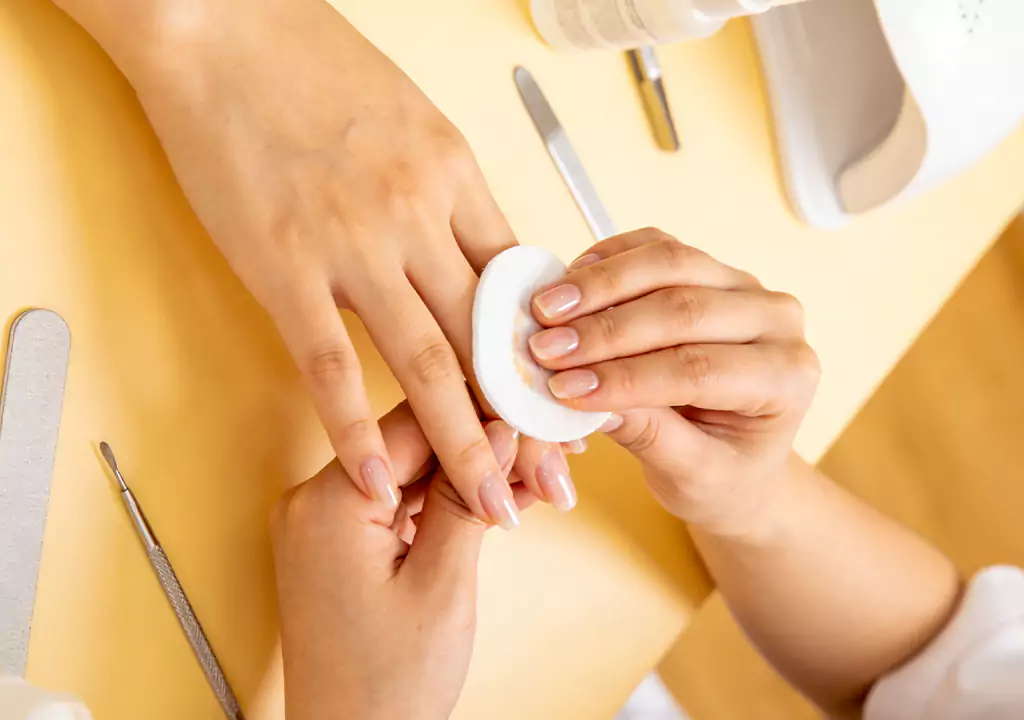
Step 1: Removing Gel Polish Properly (No Picking!)
The biggest mistake made by those taking a break from gel polish is peeling and picking at the gel polish. This is also the most damaging process of all. Peeling gel polish removes several layers of the nail plate, leaving them thin and prone to breaking. The correct procedure for removing gel polish is as follows:
- Buff the top coat of your gel polish lightly to break the seal (be sure not to over-buff).
- Soak cotton balls in pure acetone and wrap each finger in foil to hold the cotton in place.
- Soak for 10-15 minutes (be sure not to rush this process and scrape the gel polish off your fingers. This will cause damage).
- Gently push the gel polish off your fingers with an orange stick (be sure not to scrape or force the gel polish off).
- Buff away any remaining gel polish and smooth out any rough edges with a 240 grit file (be sure not to use harsh files that will damage your fingers).
Step 2: Nourish and Hydrate During the Break
Hydration is the key to nail recovery. Dry nails equal weak nails. During your break with the Gel Break, these products should be included in your daily routine:
- Cuticle Oil: This is the holy grail to healthy-looking nails. Include cuticle oil with shea butter, vitamin E, and/or jojoba oil in your daily routine. Massage the oil into your cuticles and nail bed twice daily. Daily application is the best way to achieve healthy nail growth, prevent hangnails, and moisturize your nail plate. These benefits will help your recovery grow faster. For the best results, pair your premium cuticle oil with the Gel Break system.
- Nail Strengthener: A protein-based nail strengthener is the best way to start the recovery process. It helps to rebuild the keratin structure in your nail. A builder gel is also a great option to pair with your break. It can be used as an additional layer to protect your nails without the need for UV curing.
- Hand Cream: It is not just your nails you should focus on during your break; your hands should also be hydrated as dry skin around your nails can cause damage to your cuticles. A rich hand cream containing shea butter and/or hyaluronic acid should therefore become a part of your daily routine.
Step 3: Protect Your Nails
During your break, your nails are more susceptible to damage; therefore, you should take extra care in protecting your nails from damage:
- Wear gloves when you are doing household chores like cleaning, washing dishes, and gardening because you might come into contact with harmful chemicals and excessive exposure to water, which can cause drying out of your nails.
- Never use your nails as a tool for opening packages, scraping surfaces, and picking things, as this can cause stress on your nails and lead to breaking.
- Trim your nails correctly by cutting your nails straight across and never in a curve in order to avoid ingrown nails; in addition, when filing your nails, always file in one direction in order to avoid splitting your nails. If you wish to have a rounded nail, you can use a buffer to smooth out your nails.
Step 4: Eat for Nail Health
Nail health begins from the inside. During your break, remember to take in a nutritious diet that supplies your body with essential nutrients for nail growth. Here are some of the foods you should take in:
- Lean proteins such as chicken, fish, and tofu contain keratin, the major component of nails.
- Nails need biotin, which is found in eggs, nuts, and leafy greens, for strength.
- Antioxidants such as vitamins A, C, and E, found in fruits and vegetables, help in maintaining healthy skin and nail growth.
- Iron and zinc, found in red meat, beans, and grains, help in preventing brittle nails and slow growth.
Returning to Gel Polish After a Break
Once you feel that your nails are strong, healthy, and hydrated, meaning they no longer peel, break, or irritate, you can then proceed to going back to your gel polish application. Here are some tips to help you achieve a smooth transition to going back to gel polish application without damaging your nails:
- Check Nail Health First: Before you apply a gel polish, you must first ensure that your nails are strong to the touch, meaning they cannot be bent, peeled, or thin. If they still feel weak, you must extend your break time for a few more days.
- Prep Properly (But Gently): Although you will be applying a gel polish, you must avoid over-buffing when prepping your nails. You must also avoid cutting your cuticles because this will damage your nails’ protective barrier.
- Use High-Quality Gel Polish: You must invest in a high-quality gel polish and a builder gel to avoid damaging your nails. Low-quality gel polish contains ingredients that will more likely lift, leading to more frequent removal, thereby damaging your nails.
- Maintain Daily Care: Even after switching back to gel polish, don’t forget to use cuticle oil every other day to maintain hydration for your nails. This will help the gel polish adhere better and prevent lifting and damage.
- Stick to Your Break Schedule: Avoid the temptation of falling back into the bad habit of not taking breaks again! Set a reminder for your next break in 8-12 weeks (or sooner if you experience any of the symptoms described above).
Final Thoughts: Balance Beauty and Health
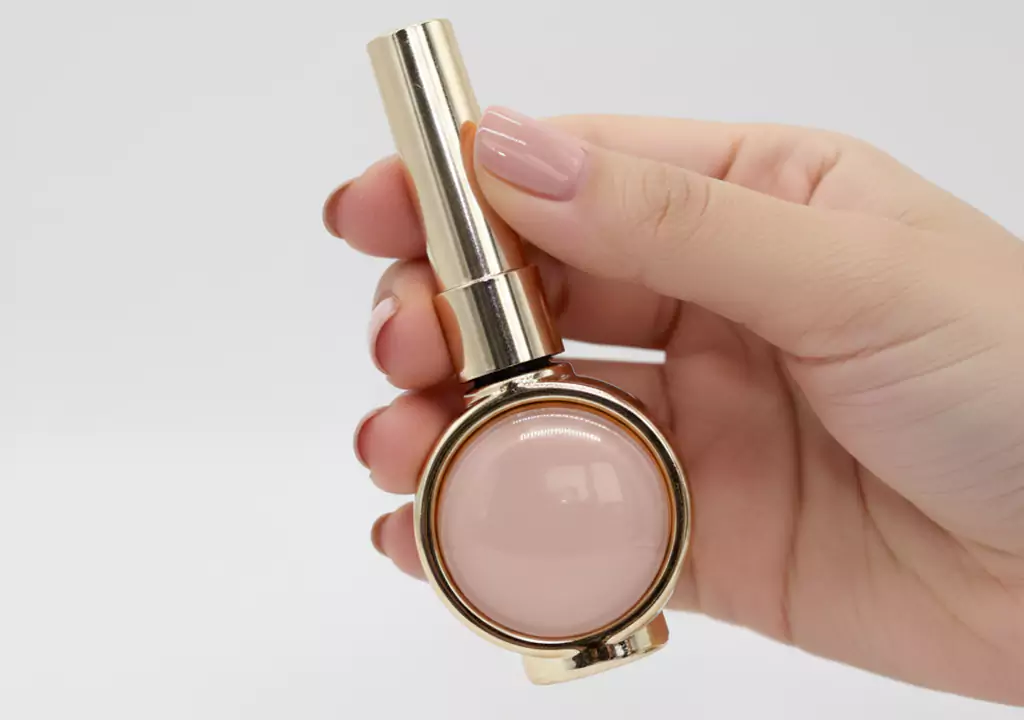
Gel polish is an excellent way to attain long-lasting, gorgeous-looking nails; but not at the cost of your natural nail health. With proper break times, proper removal techniques, and the use of high-quality products(For example: Chroméclair brand HEMA & TPO-free gel polish), you can continue to attain gel polish manicures for many years to come without damaging your natural nails.
Every person is different, and some people can get away with longer time intervals between gel polish manicures with less break time in between. The important thing is to listen to your nails and do what is best for your natural nail health. If you are unsure about the frequency of your break time, seek advice from a professional nail technician who can assess your nail health and provide advice on what is best for your individual needs.
With proper attention to your natural nail health, you can attain the best of both worlds: gorgeous gel polish manicures with healthy natural nails.
 English
  Spanish
  German
  French
  Italian
  Dutch
Dutch