
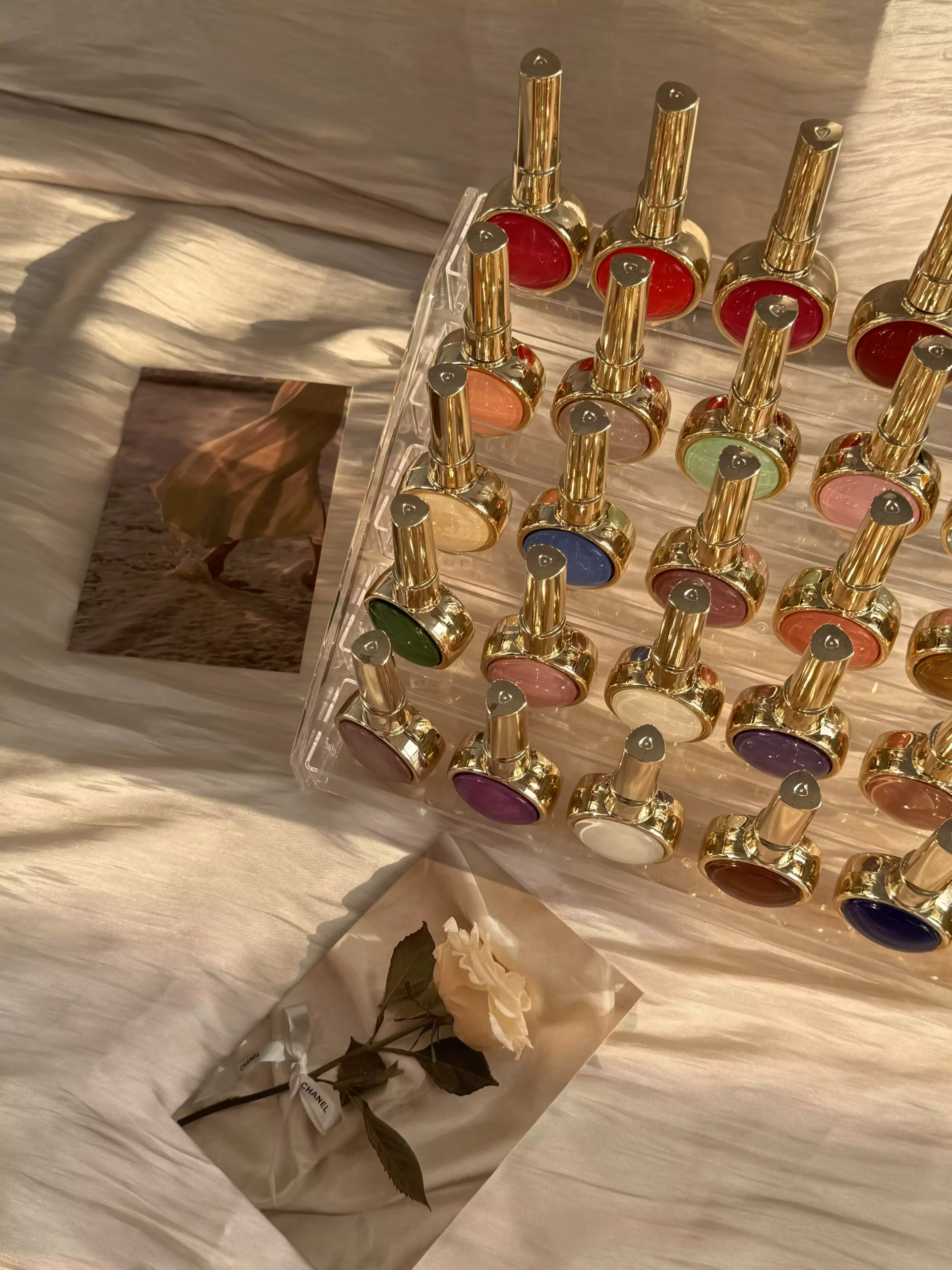
Para las que os hacéis la manicura, ¿alguna vez os ha pasado esto?
After getting a new manicure, you admire your sparkling fingertips, feeling incredibly happy – but a few days later, your nail edges start to itch and turn red, or you notice that lingering chemical smell from the manicure, and you secretly wonder, “Is this stuff… really safe?”
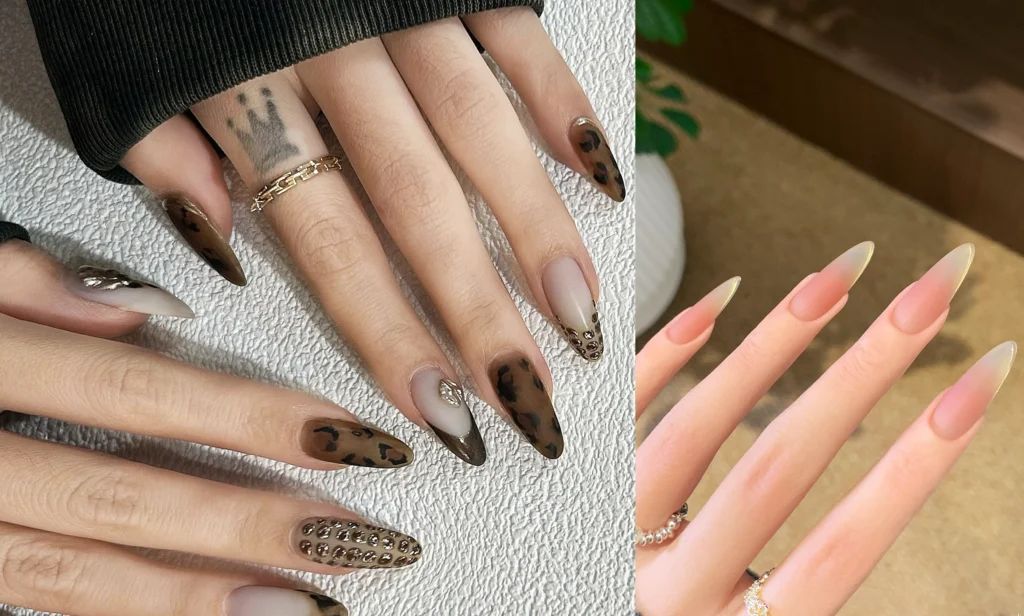
Si a menudo tiene esta sutil preocupación, este artículo es para usted.
Perseguimos la belleza, pero debemos hacerlo con inteligencia.
Did you know? In the past, to make gel nail polish dry quickly, last longer, and have a bright shine, most products contained a photoinitiator called TPO. It’s like the “invisible engine” of the nail industry, powering over 70% of gel manicures worldwide. However, this seemingly “beneficial” ingredient has now been officially blacklisted by the European Union and will be completely banned from sale starting in 2025.
¿Por qué? Porque las pruebas científicas demuestran que puede perjudicar nuestra salud en secreto.
Today, let’s put aside the complex terminology and explain in the simplest terms: why “TPO-free” is no longer just a marketing gimmick, but a safety bottom line that you and I must uphold when choosing nail products? When you understand the truth behind it, you might be glad to know that there are safer and more beautiful options available.
I. Understanding TPO: The “Fast-Drying Hero” of Nail Polish, and a Hidden Health Hazard
First, let’s uncover the true nature of TPO.
TPO, whose full chemical name is quite complicated (diphenyl-(2,4,6-trimethylbenzoyl)phosphine oxide), is something we don’t need to memorize. You only need to know its core function: it’s a highly efficient photoinitiator.
Its “contribution” is obvious:
When you put your freshly applied gel nail polish under a UV/LED lamp, TPO acts like a switch being flipped, rapidly absorbing ultraviolet light and reacting, causing the liquid gel to solidify and harden in just one minute, becoming shiny and glossy. It has enabled the “fast, long-lasting, and high-gloss” experience of nail polish, and has therefore dominated the nail polish market for many years.

But its “cost” is insidious:
En los últimos años, la Agencia Europea de Sustancias y Preparados Químicos (ECHA), tras exhaustivas y rigurosas evaluaciones científicas, especialmente datos de ensayos con animales, descubrió otro aspecto inquietante de la TPO: tiene potencial toxicidad para la reproducción.
Simply put, long-term or repeated exposure to TPO may impair fertility and harm fetal development. Based on this strong evidence, the EU unhesitatingly classified TPO as a CMR 1B substance (i.e., “may be toxic to the human reproductive system”).
No se trata de alarmismo, sino de una conclusión científica seria. Por ello, la UE ha emitido una prohibición histórica:
From September 1, 2025, all nail polish products containing TPO will be prohibited from sale and use in the EU market, with no grace period. Following suit, the UK also announced that it will follow suit in 2026-2027. This means that the world’s major beauty consumer markets have closed their doors to TPO.
For us ordinary consumers, this ban is a clear signal: authoritative institutions have already identified the risks for us, so why should we use our own bodies to verify whether “occasional use should be fine”? Avoiding known risks is the most basic form of self-protection.
II. Peligros ocultos: Más allá de la toxicidad para la reproducción, la OPC también puede causar estos problemas
If you think “reproductive toxicity” is a distant concern in daily life, you might relate more to other problems that TPO can cause:
Irritación cutánea y reacciones alérgicas:
Como ingrediente químicamente activo, la TPO puede irritar la piel y la cutícula alrededor de las uñas. Para algunas personas con piel sensible, puede ser una causa potencial de dermatitis de contacto y paroniquia (enrojecimiento y dolor alrededor de las uñas).
Olor desagradable:
Muchas personas perciben un olor químico penetrante y característico cuando se hacen la manicura en un salón de manicura o cuando se la hacen ellas mismas. Esto se debe en gran medida a la volatilización de diversos disolventes y aditivos químicos (incluidos los subproductos de la reacción TPO) en el gel del esmalte de uñas. Estos compuestos orgánicos volátiles (COV) no sólo son desagradables, sino que también pueden irritar las vías respiratorias en caso de inhalación prolongada.
Riesgo de exposición profesional de los técnicos de uñas:
Los técnicos de uñas corren un alto riesgo de exposición a la TPO. Están en contacto con diversos productos para uñas durante largos periodos cada día. Si los productos contienen ingredientes de alto riesgo como la TPO, el efecto acumulativo supone una amenaza potencial para su salud mucho mayor que para las clientas normales. Elegir productos más seguros es también una forma de proteger la salud laboral de los técnicos de uñas.
Therefore, choosing TPO-free nail polish gel is not only about avoiding a “long-term risk,” but also about improving the immediate experience of each manicure – less irritation, a milder smell, and a more reassuring process.

III. Esmalte de uñas de gel sin TPO: Seguridad y rendimiento, ahora puede tener ambos
At this point, you might ask, “If TPO is removed, will the nail polish be less effective? Will it dry slower, chip easily, or lose its shine?”
Este es el punto de inflexión crucial para comprenderlo: la tecnología avanza y la seguridad y el rendimiento ya no se excluyen mutuamente.
Today’s “TPO-free” formulas are not simply about removing one ingredient, but rather a complete upgrade and replacement with safer and more advanced ingredients.
1. Alternativas más seguras:
Los formuladores están optando por otros fotoiniciadores con certificación de seguridad, como TPO-L y HCPK. Estos ingredientes garantizan un curado eficaz, al tiempo que se ha demostrado que carecen de los riesgos de toxicidad reproductiva del TPO y tienen un menor potencial de irritación. Las marcas más vanguardistas han empezado incluso a utilizar materias primas de origen biológico, como resinas extraídas de plantas, lo que hace que los productos sean más naturales y suaves desde el origen.
2. El rendimiento no sólo no disminuye, sino que potencialmente es incluso mejor:
La velocidad de curado es igual de rápida: Modern Esmalte en gel sin TPOes puede conseguir el curado inicial en 30 segundos y el secado completo en 90 segundos, sin perder tiempo.
Durabilidad y brillo superiores: Gracias a un sistema de fórmula más estable, muchos geles sin TPO presentan una mayor resistencia al desgaste y a los arañazos, manteniéndose fuertes y brillantes durante 21 días o incluso más, sin amarillear ni descascarillarse.
Experiencia de usuario notablemente mejorada: Es la sensación más intuitiva. Los esmaltes en gel sin TPO suelen tener un olor muy ligero y un contenido en COV extremadamente bajo. Al hacerse la manicura, ya no es necesario soportar olores penetrantes, y la irritación de los ojos y las vías respiratorias se reduce considerablemente, lo que hace que todo el proceso resulte más cómodo y agradable.
3. Focus on “Double-Free” Formulas, a further leap in safety:
• When looking for TPO-free products, you’ll find a “golden partner”—HEMA-Free.
- El HEMA (metacrilato de hidroxietilo) es otro alérgeno común en los esmaltes de gel, que provoca fácilmente reacciones alérgicas en las uñas y la piel circundante.
• Therefore, leading safe gel polishes on the market often pursue a “double-free” promise: that is, being free of both TPO and HEMA. This is equivalent to providing “double insurance” for your nail health, eliminating the main allergic and toxic risks.
* For example, new gel polish formulas from brands like CHROMÉCLAIR explicitly make a “HEMA-Free & TPO-Free” double-free promise. This is not just a simplification of the ingredient list, but also represents the brand’s thorough commitment to the concept of healthy manicures. This means you don’t have to choose between “professional salon-quality results” and “ultimate gentleness and safety,” because it perfectly combines both, truly achieving health and beauty simultaneously.

IV. ¿Cómo elegir un esmalte de uñas de gel seguro y fiable? (Guía práctica)
Whether you plan to do your nails yourself or go to a nail salon, mastering these few tips will help you become a “savvy consumer,” avoid potential hazards, and choose the right products:
1. Aprenda a leer las etiquetas y las listas de ingredientes:
- Búsqueda por palabra clave:
Look directly for the “TPO-Free” label. If it also says “HEMA-Free,” that’s an even better choice.
- Cuidado con las afirmaciones vagas:
Be wary of products that only state “natural” or “eco-friendly” but don’t clearly indicate whether key ingredients have been removed. Safety requires a clear commitment.
2. Dar prioridad a las marcas conformes y certificadas:
- Preste atención al acceso al mercado:
Prioritize products that comply with the new EU regulations (REACH) and have international certifications such as CPNP (Cosmetic Product Notification Portal). These “credentials” mean the brand has voluntarily subjected itself to stricter regulations.
- Confíe en las marcas profesionales:
Professional brands like CHROMÉCLAIR, mentioned earlier, which explicitly make a “double-free” commitment, usually invest more in product development and safety testing, making them trustworthy. Avoid buying “three-no” products (products without clear origin, quality, or safety certifications) with poor packaging.
3. “Essential questions” when getting your nails done at a salon:
Antes de hacerte la manicura, puedes preguntar casualmente a la técnica:
“Are your gel nail polishes TPO-free and HEMA-free?” This not only protects yourself but also encourages nail salons to upgrade to safer products.
Observe el envase del producto:
Si es posible, pida al técnico de uñas que le enseñe el envase del producto para verificar personalmente las etiquetas.
4. Por muy seguro que sea el producto, es fundamental aplicarlo correctamente:
- Asegurar la ventilación:
Ya sea en casa o en un salón de manicura, asegúrese de que haya una buena circulación de aire en el entorno de trabajo para reducir cualquier posible acumulación de gas.
- Utilizar equipos cualificados:
Utilice una lámpara UV/LED cualificada y asegúrese de que las perlas de la lámpara no envejecen para garantizar un curado completo.

- Dale un respiro a tus uñas:
Avoid getting manicures too frequently. It’s recommended to let your nails rest for 2-3 weeks after each removal to allow them to breathe and repair themselves.
V. Tendencia del sector: Los productos sin TPO se han convertido en una tendencia mundial irreversible
La prohibición de la UE es como una piedra gigante arrojada a un lago, y las ondas se extienden a todos los eslabones de la cadena mundial de la industria de las uñas:
- Fin de producción:
Los principales proveedores y fabricantes de materias primas están acelerando la investigación y el desarrollo y la conversión de fórmulas. La ausencia de TPO se ha convertido en una norma obligatoria para el desarrollo de nuevos productos.
- Fin de distribución:
Importers and wholesalers are beginning to clear their inventory of TPO-containing products and actively introducing compliant new products. In the short term, due to research and development and production costs, the price of some compliant products may increase slightly, but this is a necessary and worthwhile “premium” paid for safety.
- Fin de consumo:
Los consumidores como usted y como yo somos cada vez más conscientes. Estamos pasando de buscar simplemente color y estilo a centrarnos en los ingredientes y la salud. Esta fuerza impulsada por la demanda del usuario final está empujando a toda la industria a evolucionar rápidamente hacia una mayor transparencia y seguridad.
Choosing TPO-free nail polish is no longer just a personal choice, but a wise move that aligns with the global trend of healthy consumption. It represents a profound transformation in the nail industry from “effect first” to “safety and effect equally important.”
Conclusión: Lo que florece en la punta de tus dedos debe ser pura belleza y tranquilidad.
Existen innumerables formas de belleza, pero la base de toda belleza que merezca la pena es la salud.
In the past, we may have silently endured the hidden risks lurking in ingredient lists for the sake of fleeting glamour. But now, technology has given us a better option. The emergence of TPO-free gel nail polish allows us to no longer have to choose between “beauty and health.”
Representa una actitud más responsable ante la vida: ser responsables de nuestro propio cuerpo, de los técnicos de uñas que nos atienden y del medio ambiente. Cuando se puede elegir un producto que no sólo crea colores vibrantes en las yemas de los dedos, sino que también elimina las preocupaciones por daños ocultos, esa sensación de paz y alegría es el máximo disfrute que puede ofrecer la manicura.
Next time you’re ready to give your fingertips a new look, take an extra second to look for the “TPO-Free” label. Choosing it means choosing gentle care for yourself.
Deje que cada manicura se convierta en un ritual de belleza verdaderamente relajante, tranquilizador y curativo. Porque su salud se merece un tratamiento tan meticuloso y delicado.
A partir de hoy, despídete de las preocupaciones ocultas y abraza la tranquilidad. Deja que tu belleza florezca desde la punta de tus dedos, sin ninguna carga.
 English
  Spanish
  German
  French
  Italian
  Dutch
Dutch