
What makes a rubber base coat stand out from a regular base coat? You notice the difference right away when you look at how each one works. Rubber Base Coat gives your nails extra flexibility and strength. It bends with your nail, so you get less chipping and cracking. Regular base coat feels stiffer and works best if you want a simple layer under polish. If you have weak or brittle nails, these differences can really change your results.
Key Takeaways
- Rubber Base Coat bends and is strong. It works well for nails that are weak or break easily.
- Regular Base Coat makes nails smooth for polish. It stops stains and is good for healthy nails.
- Pick Rubber Base Coat if your nails chip or break a lot. It gives more strength and keeps nails safe.
- Always get your nails ready before you use any base coat. This helps the base coat stick better and makes your manicure last longer.
- Think about your nail type and what you need before you pick a base coat. This helps you get the best manicure results.
Rubber Base Coat vs Regular Base Coat
Rubber Base Coat Overview
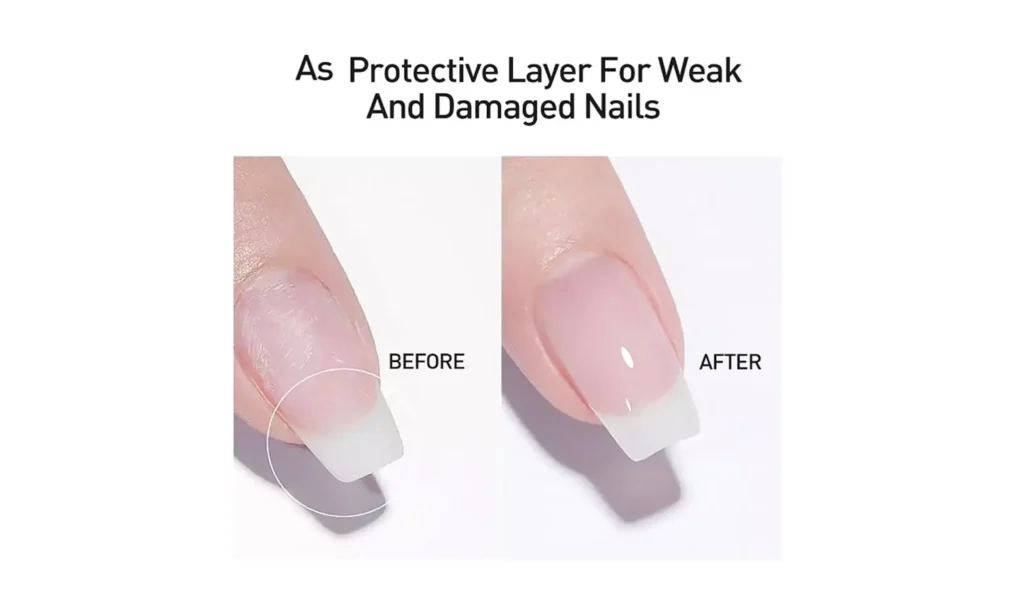
You might wonder what makes a Rubber Base Coat special. This type of base coat stands out because it gives your nails a flexible and strong foundation. You get a thicker layer that moves with your natural nail. This helps prevent cracks and chips, especially if your nails bend or are prone to breaking. Many people with fragile or brittle nails choose this option because it protects and supports the nail plate.
Here’s what you’ll usually find in a Rubber Base Coat:
- Acrylates form the main structure and help the gel cure under UV or LED light.
- Photoinitiators start the hardening process when you use a lamp.
- Plasticizers keep the base flexible and stop it from getting brittle.
- UV filters protect your manicure from sunlight and keep colors bright.
- Pigments and dyes add color, but you can also find clear versions.
- Oligomers make the gel thick and strong.
- Solvents help the gel go on smoothly.
- Additives improve flow, stop germs, and help the base stick to your nail.
You get a base that feels cushiony and lasts longer, even if your nails need extra care.
Regular Base Coat Overview
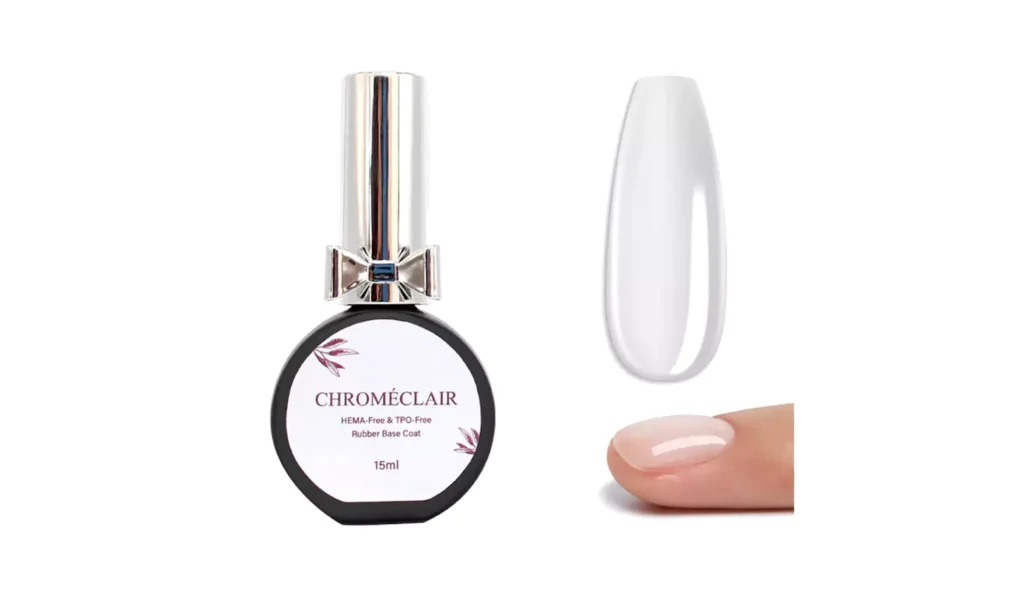
A regular base coat works differently. You use it to create a smooth, sticky surface for your nail polish. This type is thinner and less flexible. It fills in small ridges and helps your polish stick better. If you have healthy, strong nails, a regular base coat does the job well. It also protects your nails from staining when you use dark or bright colors.
The main purpose of a regular base coat is to:
- Protect your natural nails from color pigments.
- Make your polish last longer by reducing chipping and peeling.
- Fill in tiny grooves for a smooth finish.
You get a simple, easy-to-use layer that works for everyday manicures.
Key Differences in Formula
Let’s break down the main differences between these two base coats. You can see how each one works best for different needs.
| Base Coat Type | Viscosity | Flexibility |
|---|---|---|
| Regular Base Coat | Thinner | Less flexible |
| Rubber Base Coat | Thicker | More flexible |
- Rubber base gels create a thicker, more elastic layer. They move with your nail and help prevent cracks.
- Regular base coats are thinner and less flexible. They may chip or lift if your nails bend a lot.
Tip: If you have weak or damaged nails, you might want to try a Rubber Base Coat. It gives you extra strength and helps your manicure last longer.
You can choose the right base coat by thinking about your nail type and what you want from your manicure. If you need more protection and flexibility, go for the Rubber Base Coat. If you want a simple base for polish and your nails are strong, a regular base coat works well.
Benefits and Ideal Uses
Flexibility and Strength
When you want your manicure to last, flexibility and strength matter. Rubber Base Coat stands out because it stays flexible even after you cure it under a lamp. This means it moves with your natural nail, so you get less cracking and breaking. The thicker texture helps the base stick better to your nail, which lowers the chance of your polish peeling or lifting. If your nails bend or break easily, you will notice how much more protected they feel with this type of base. Regular base coats, on the other hand, feel stiffer. They work well if your nails are already strong and you just want a smooth surface for polish.
Best Nail Types for Each
Not every nail is the same, so choosing the right base coat makes a big difference. Here’s what you should know:
- Thin or weak nails often need extra care. Rubber Base Coat can flex with your nail and give you more support.
- If you have very sensitive nails, you might want to test a few brands to see which one feels best.
- Some people with weak nails find that regular gel polish or enhancements do not work well, but a rubber base can help.
For regular base coats, you have several options based on your nail needs:
| Base Coat Type | Description |
|---|---|
| Strengthening | Good for weak nails, adds extra support. |
| Ridge-filling | Smooths out uneven surfaces for a flawless look. |
| Nourishing | Contains vitamins and oils for healthier nails. |
| Hydrating | Helps keep your nails from drying out. |
| Multi-tasking | Combines several benefits for busy people. |
Longevity and Protection
You want your manicure to last as long as possible. Rubber Base Coat gives your nails a cushiony layer that bends with them. This helps prevent chips and breaks, especially if your nails are thin or flexible. The rubber-like consistency acts like a shield, so your nails stay protected from daily bumps and knocks. Regular base coats also protect your nails, but they focus more on stopping stains and making polish stick better. If you want extra strength and protection, especially for fragile nails, Rubber Base Coat is a smart choice.
Tip: If you notice your nails chip or break often, try switching to a rubber base for extra durability.
Application and Removal
How to Apply Rubber Base Coat
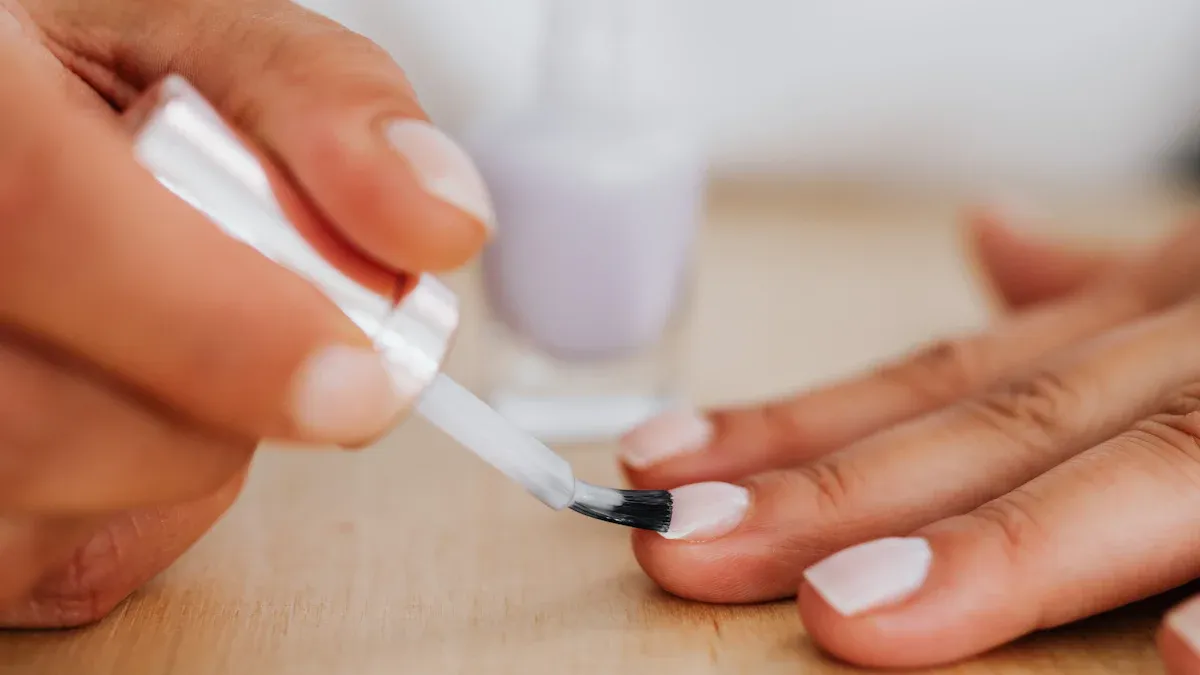
Applying a rubber base coat starts with good prep. You shape your nails, push back cuticles, buff the surface, and remove all dust. Next, you make sure your nails are dry and clean. You apply a thin slip layer of the base gel but do not cure it yet. Place a small bead of gel near the cuticle and gently sweep it toward the tip. Use a liner brush to get close to the edges and cuticle. Some people flip their hand over for a few seconds to help the gel settle in the center, which builds a nice apex. Tap the back of your finger to help the gel self-level. Once you finish shaping, cure your nails under a UV or LED lamp for about 60 to 120 seconds. Finish with a top coat and cure again.
How to Apply Regular Base Coat
Regular base coat application feels simple and quick. Start with clean, dry nails. Remove any old polish, push back your cuticles, and lightly buff the nail surface. This step helps the base coat stick better. Apply a thin, even layer of base coat. Make sure you cover the entire nail and seal the edges to help prevent chipping. Cure the base coat under a UV or LED lamp if needed. Some regular base coats air dry, but many gel types need a lamp. Always let each layer dry or cure fully before moving on to color.
| Type of Base Coat | Curing Time |
|---|---|
| Rubber Base Coat | 60-120 seconds |
| Regular Base Coat | Requires UV/LED lamp |
Tip: Sealing the edges of your nails helps your manicure last longer and keeps chips away.
Removal Process and Tips
When it is time to remove your manicure, you want to protect your nails. For both types, start by gently filing the top layer to break the seal. Soak a cotton pad in acetone, place it on your nail, and wrap it with foil. Wait about 10 to 15 minutes. Check if the base coat lifts easily. Use a wooden stick or cuticle pusher to gently remove the softened product. Avoid scraping too hard. After removal, wash your hands and apply cuticle oil to keep your nails healthy.
Note: Never peel off your base coat. Peeling can damage your natural nails and make them weaker.
Choosing the Right Base Coat
Suitability for Weak or Damaged Nails
What should you look for if your nails are weak or damaged? You want a base coat that gives your nails support and helps them grow stronger. Start by checking your nail type. If your nails peel or break easily, a strengthening base coat can help. Some formulas include biotin or vitamin E, which nourish and protect your nails. You may also want to avoid ingredients like HEMA if you have sensitive skin.
Here are some steps to help you pick the right base coat for your nail condition:
- Assess your nail type. Are your nails thin, peeling, or breaking?
- Check if the base coat works with your UV or LED lamp.
- Review the ingredient list for any allergens or harsh chemicals.
- Choose a formula with self-leveling properties for a smooth finish.
- Read customer reviews to see how well the base coat lasts.
- Stick to trusted brands and check the return policy if you buy online.
Tip: If your nails have ridges, look for a ridge-filling base coat. This type smooths the surface and makes your polish look even.
Everyday Wear and Special Needs
What if you want a base coat for daily use or special nail art? You need to think about your lifestyle and what you want from your manicure. Some base coats work better for busy days, while others shine during special events or creative nail designs.
- If you want to protect your nails from stains, choose a base coat with added protection.
- For nail art or overlays, a flexible base coat can help prevent lifting or cracking.
- If you like a natural look, pick a lightweight formula that feels comfortable.
Here is a table to show what you get from a flexible base coat:
| Benefit | Description |
|---|---|
| Flexible & Comfortable | Moves with your nail, lowers the risk of lifting or cracking. |
| Lightweight Feel | Thinner than builder gel, gives a natural look and feel. |
| Strengthens without Extensions | Adds protection without making nails bulky. |
| Quick Application | Cures fast and needs little filing. |
Note: For best results, try to use a base coat and polish from the same brand. They are made to work well together.
You now know what sets these two base coats apart. Rubber base coats have a thicker texture and take longer to dry, but they bend with your nails and last longer. Regular base coats feel lighter and dry faster. Many users say rubber base coats keep their nails strong and beautiful for weeks. If your nails are thin or break easily, you might find more protection with a rubber base. Always prep your nails well and pick the base coat that matches your nail goals.
FAQ
What is a rubber base coat used for?
You use a rubber base coat to add strength and flexibility to your nails. It helps prevent chips and cracks. This base coat works well if your nails are weak or bend easily.
What makes a regular base coat different from a rubber base coat?
A regular base coat feels thinner and less flexible. It gives you a smooth surface for polish and helps prevent stains. Rubber base coats add extra strength and bend with your nails.
What nail types benefit most from rubber base coat?
If you have thin, brittle, or damaged nails, you get the most from a rubber base coat. It supports your nails and helps your manicure last longer.
What should you do before applying any base coat?
You should clean your nails, push back cuticles, and buff the surface. This helps the base coat stick better and keeps your manicure looking fresh.
 English
  Spanish
  German
  French
  Italian
  Dutch
Dutch