
What are the key factors that distinguish rubber base coat from normal base coat? The answer becomes clear once we take a closer look at their functions. Rubber Base Coat offers added flexibility to your nails and helps them withstand more stress. It flexes together with the nail and reduces chances of nail breakage. Normal base coat is more rigid and works better for those who prefer a plain nail polish coating. In case of weak or brittle nails, it does make a difference.
Key Takeaways
- The Rubber Base Coat can bend and is sturdy. This product is perfect for individuals who have brittle nails.
- The Regular Base Coat prepares the nails to hold the polish. This product prevents stains and works well with healthy nails.
- The Rubber Base Coat should be considered by those who have breaking and chipping nails. This product provides extra strength and protection for the nails.
- It is important to prepare the nails before applying a base coat. This will allow the base coat to adhere better.
- It is essential to consider the type of nails and needs before selecting a base coat.
Rubber Base Coat vs Regular Base Coat
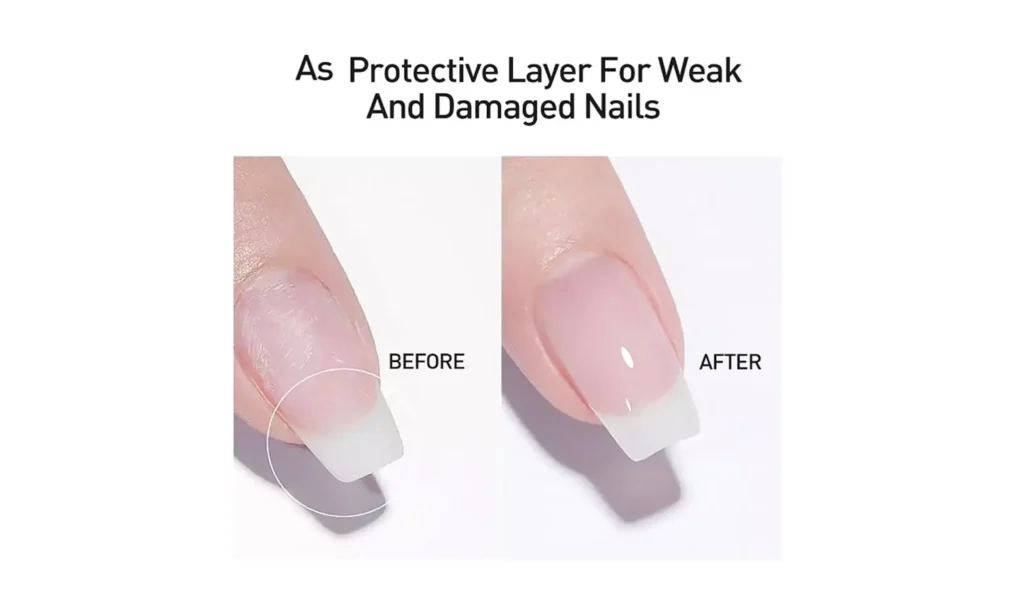
Rubber Base Coat Overview
You may be asking yourself what makes the Rubber Base Coat unique. The rubber base coat is different from other types of base coats in that it provides you with an extra-strong yet flexible foundation for your nails. It gives you a thicker base coat that flexes with the movement of your nails, thus helping to avoid any cracks or breaks that may arise due to their movement.
Here’s what you’ll usually find in a Rubber Base Coat:
- Acrylates provide the foundation for the product and allow curing under UV or LED light.
- The photoinitiator initiates the curing reaction after irradiation using a light source.
- The plasticizer makes the base elastic and prevents it from becoming brittle.
- The UV inhibitor protects the manicure from UV radiation from the sun.
- The pigment provides the product with color; however, there is a colorless version available.
- Oligomers give thickness and strength to the product.
- Solvents increase the fluidity of the manicure.
- Additives provide flow properties and prevent bacterial growth.
You get a base that feels cushiony and lasts longer, even if your nails need extra care.
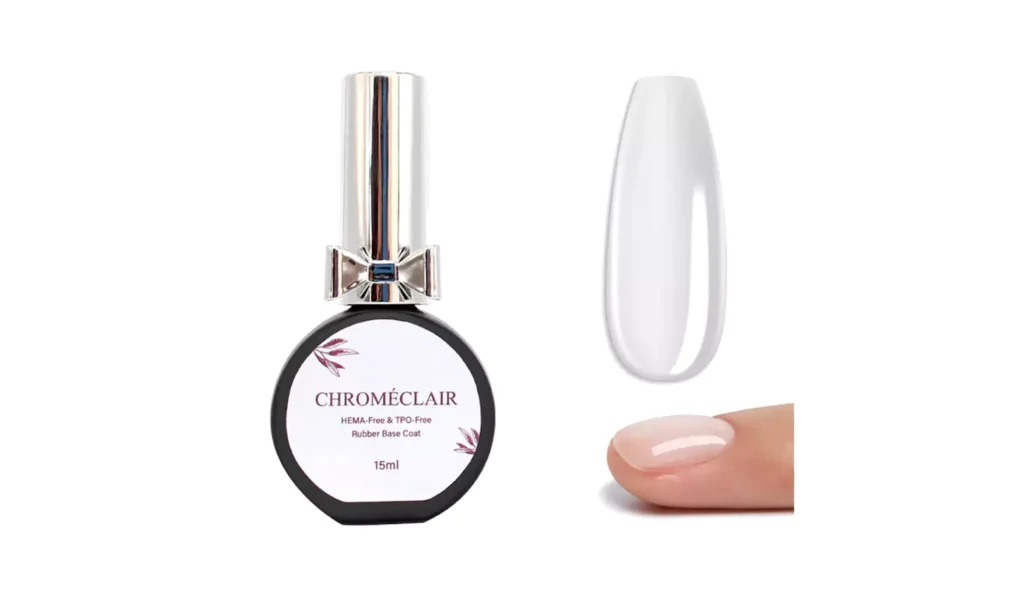
Regular Base Coat Overview
The effect of applying a regular base coat is different. You apply it in order to create a smooth and sticky surface that will allow your nail polish to adhere properly. The regular base coat is usually more thin and less elastic than the thick one. This will fill in little bumps on your nails and ensure better adhesion of the polish.
The main purpose of a regular base coat is to:
- Protect your natural nail from the harmful effects of pigment colors.
- Increase the durability of your polish, preventing chipping and flaking.
- Seal any small crevices for a flawless appearance.
You have a straightforward application process, convenient for your daily manicure routine.
Key Differences in Formula
Let’s break down the main differences between these two base coats. You can see how each one works best for different needs.
| Base Coat Type | Viscosity | Flexibility |
|---|---|---|
| Regular Base Coat | Thinner | Less flexible |
| Rubber Base Coat | Thicker | More flexible |
- Rubber base gels create a thicker, more elastic layer. They move with your nail and help prevent cracks.
- Regular base coats are thinner and less flexible. They may chip or lift if your nails bend a lot.
CHROMÉCLAIR does not just provide you with its Rubber Base Coat, but it gives you an entire range of gel polishes that are absolutely free from HEMA and TPO—Diamond, Matte, No-Wipe Top Coats, Transfer Gel, and Builder Gel. More importantly, it is not just about omitting certain substances, but it is about totally changing the approach to nail health. This means that there is no chance for any allergic reaction, and you can enjoy high-gloss and salon-grade color retention at the same time.
Tip: If you have weak or damaged nails, you might want to try a Rubber Base Coat. It gives you extra strength and helps your manicure last longer.
Selection of a correct base coat will be determined by the type of nails and the purpose you have in mind while doing manicure. In case you require more resistance and flexibility, then you should select the rubber base coat, but when you want a basic base coat and have strong nails, then the ordinary base coat is ideal.
Benefits and Ideal Uses
Flexibility and Strength
When trying to make your manicure durable, you need to ensure that your manicure is both flexible and tough. One such product is the Rubber Base Coat. What is special about the base coat is that it remains flexible after being cured with light from a lamp. It thus adapts to the natural movements of the nail, and you end up having fewer cracks or fractures. Because of its tough consistency, the base is easier to apply on your nails, making it unlikely that your polish would peel or lift off. If your nails are weak, you will appreciate this base’s properties.
Best Nail Types for Each
The nails may be different, and therefore picking the right base coat is very important. Here are some considerations:
In case you have thin and weak nails, the use of a base coat like the rubber Base Coat will be able to stretch alongside your nails for better effects.
If you feel that you are sensitive towards certain types of nail paints, you can try several brands until you get used to one.
If you have weak nails, then regular gel nail polish may not be able to adhere.
For regular base coats, you have several options based on your nail needs:
| Base Coat Type | Description |
|---|---|
| Strengthening | Good for weak nails, adds extra support. |
| Ridge-filling | Smooths out uneven surfaces for a flawless look. |
| Nourishing | Contains vitamins and oils for healthier nails. |
| Hydrating | Helps keep your nails from drying out. |
| Multi-tasking | Combines several benefits for busy people. |
Longevity and Protection
For your manicure to remain as fresh as possible, you would require as much time as possible. A rubber base coat will provide your nails with a protective coating that stretches with them, protecting them from any form of damage, including chipping and cracking. This is because the rubber-like material shields your nails from all forms of injuries. Base coats do the same thing, except that they offer protection against staining and help the polish to cling better.
Tip: If you notice your nails chip or break often, try switching to a rubber base for extra durability.
Application and Removal
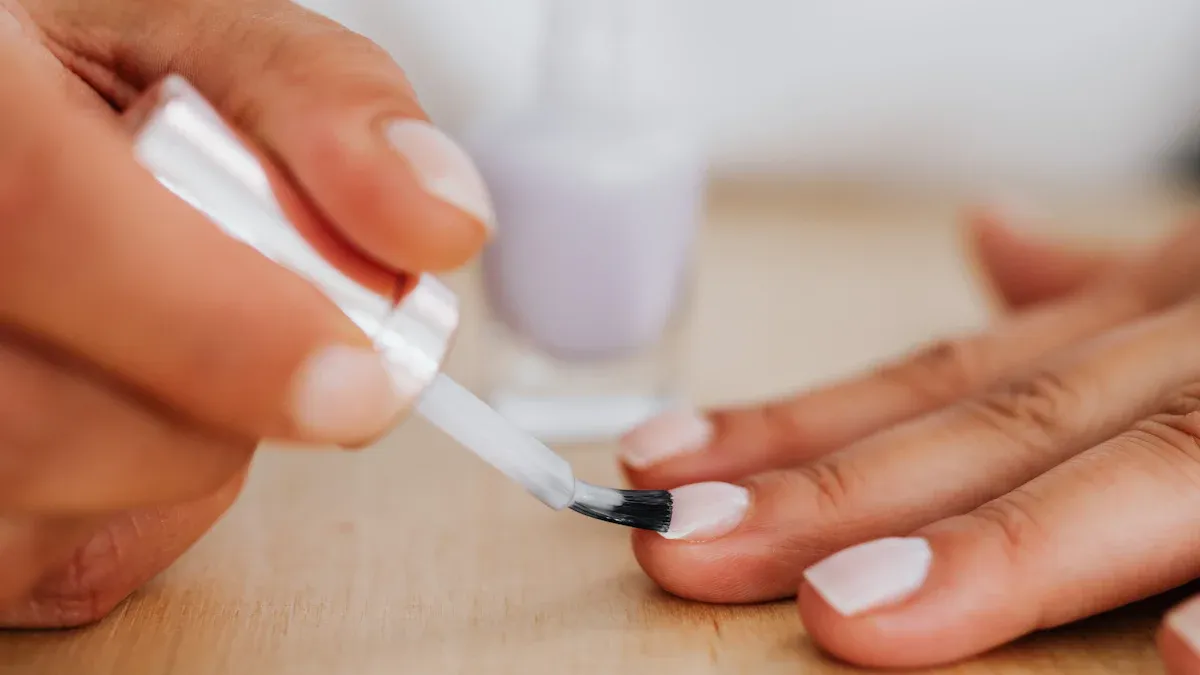
How to Apply Rubber Base Coat
A process of applying a rubber base coat begins with appropriate preparation of the nails. They are shaped, cuticles are pushed back, nail is buffed, and dust is removed. Then, you ensure that your nails are clean and dry. Now, you apply a slim layer of base gel but without curing it. You put a little amount of gel by the cuticle and drag it to the tips. A liner brush helps you cover your nails to the edges and near the cuticle. There is a technique that involves turning your hand upside down to let gel level off to create a beautiful apex. You tap your nails to allow it to level itself. When done shaping, you cure your nails for 60 to 120 seconds under a UV/LED lamp.
How to Apply Regular Base Coat
Applying a regular base coat is easy and fast. Begin with clean and dry nails. Take off any previous polish, then push your cuticles back. Buff your nail beds softly to enhance adhesion. Paint a thin and consistent base coat on your nails. Be sure to cover the whole nail and seal its borders to minimize chipping. Curing a base coat using a UV or LED lamp may be necessary for some brands. Regular base coats can dry normally in the air, but gels will require a curing lamp.
| Type of Base Coat | Curing Time |
|---|---|
| Rubber Base Coat | 60-120 seconds |
| Regular Base Coat | Requires UV/LED lamp |
Tip: Sealing the edges of your nails helps your manicure last longer and keeps chips away.
Removal Process and Tips
It is necessary to care for your nails when removing your manicure. In either case, begin with gently filing the surface layer to create a rupture in the seal. Apply a cotton ball soaked in acetone to the nail and wrap it with foil. Leave it on for approximately 10 to 15 minutes. Test whether the base coat comes off easily. You can use a wooden rod or cuticle tool to remove the gel polish. Be sure not to scratch your nail bed harshly.
Note: Never peel off your base coat. Peeling can damage your natural nails and make them weaker.
Choosing the Right Base Coat
Suitability for Weak or Damaged Nails
What do you need to keep in mind when looking for a base coat for weak or damaged nails? You should be looking for a product that will reinforce your nails and help them get healthier. First, identify your nail type. Do you find that your nails split or are peeling? In such a case, it will do you good to apply some strengthener to your nails. There are base coats with biotin or vitamin E in them.
Here is some guidance to assist you in selecting an appropriate base coat depending on your nail status:
- Determine whether you have thin, splitting, or fragile nails.
- Confirm whether your base coat will be compatible with your UV or LED light.
- Consider the ingredients that are present within the base coat and avoid those that cause allergies.
- Consider purchasing a base coat with leveling characteristics.
- Consider the longevity of the base coat by reading customer reviews.
- Go for reliable manufacturers and consider their policies regarding returns and refunds.
Tip: If your nails have ridges, look for a ridge-filling base coat. This type smooths the surface and makes your polish look even.
Everyday Wear and Special Needs
When choosing a base coat for everyday or special occasions, it is important to consider your personal life and what you hope to achieve with your manicure. Some base coats may be better suited for your day-to-day activities, whereas other base coats would be more appropriate for a party or a work event.
- Base coat with stain resistance would be ideal for someone looking to shield their nails against potential discoloration.
- Base coat that is flexible will allow you to apply nail art without worrying about any lifting or cracking.
- Lightweight base coat would be perfect for someone who likes to keep their nails natural-looking.
Here is a table to show what you get from a flexible base coat:
| Benefit | Description |
|---|---|
| Flexible & Comfortable | Moves with your nail, lowers the risk of lifting or cracking. |
| Lightweight Feel | Thinner than builder gel, gives a natural look and feel. |
| Strengthens without Extensions | Adds protection without making nails bulky. |
| Quick Application | Cures fast and needs little filing. |
Note: For best results, try to use a base coat and polish from the same brand. They are made to work well together.
Now you are aware of the differences between the two types of base coats discussed here. Rubber base coats are thicker in texture and require more time for drying; they, however, are flexible and durable. Ordinary base coats are thinner and quicker to dry. It is claimed by many people that rubber base coats provide for beautiful nails during many weeks. Thin or fragile nails are better off with rubber base coats.
FAQ
What is the purpose of using a rubber base coat?
To make your nails more flexible and durable, you need to apply a rubber base coat. In addition, it will help prevent cracking and chipping. This type of coating is recommended if you have brittle and easily bendable nails.
Why is there a difference between a regular base coat and a rubber base coat?
As for the difference, a regular base coat is thinner than the latter. Also, a regular base coat makes nails smoother, while a rubber base coat makes them stronger.
Which nail types can be treated with a rubber base coat?
If your nails are thin, weak, and damaged, you should use a rubber base coat to restore them.
What should you prepare before applying any base coat?
Before applying a base coat, it is essential to cleanse, trim, and buff your nails.
 English
  Spanish
  German
  French
  Italian
  Dutch
Dutch