
If you’ve ever applied your gel base coat, completed the curing process, tapped a finger on it, and experienced a somewhat tacky, even gummy feel, you know the feeling. Scared, confused, and bewildered, you may have rushed to the nearest search engine asking, “Is my gel Rubber Base Coat still tacky? What happened? Am I doing something wrong? Did I mess up somewhere in the process?”
Well, there’s nothing to worry about; you’re not alone, and you’ll be surprised to learn that the answer to your question is yes. Your gel base coat should stay tacky, and it’s one of the best signs for ensuring your nails’ longevity and chip resistance. It turns out that this sticky residue isn’t an accident, but rather a scientifically crafted substance designed to make sure you’re enjoying the best DIY manicures.
Let’s explore the science behind this fascinating product and debunk some common misconceptions around its sticky nature.
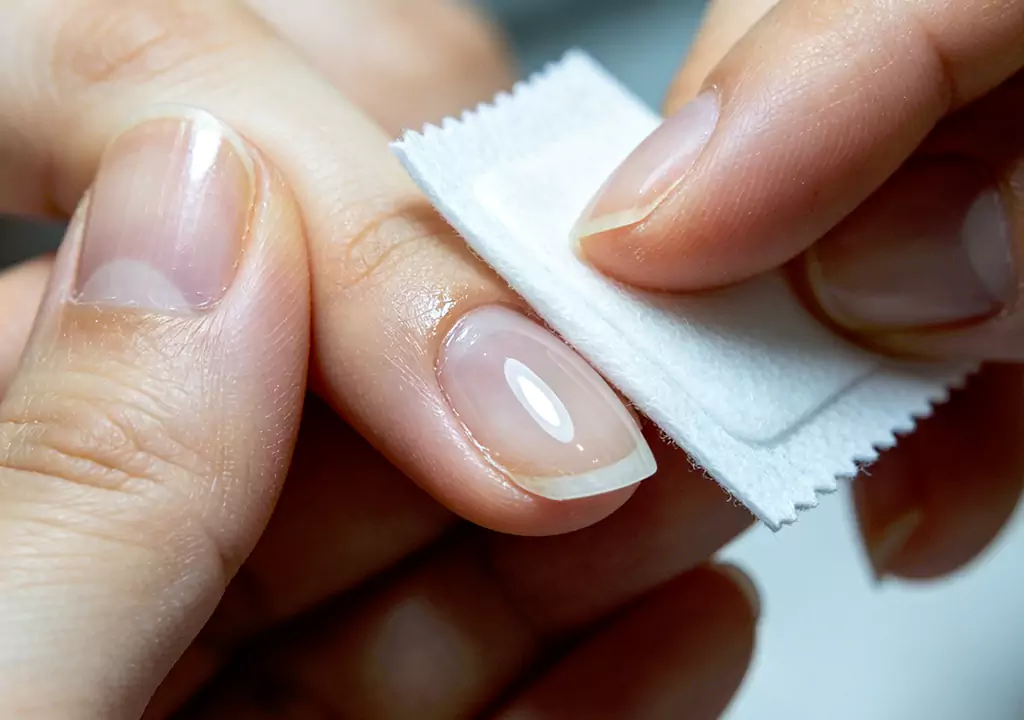
The Sticky Layer Has a Scientific Name (And an Important Job)
Your flawless gel manicure is built one layer at a time: first the base coat, then two to three thin layers of color, and finally a top coat. Each of these layers needs to be cured, or hardened, under a UV or LED lamp. As you build your manicure, you’ll notice that the base coat and each layer of color feel sticky after they’ve been cured. This isn’t a sign that they are under-cured; it’s a deliberate design.
In terms of the science of nail care, this tacky nature is referred to as the inhibition layer or dispersion layer. It comes about due to the interaction between the very surface of the gel polish coating and the oxygen present in the environment when the gel polish is being cured. This makes it impossible for the gel polish coating on the nails to be completely cured and therefore makes its surface tacky. What should be noted here is that it is not an error but rather something that has been deliberately included in professional nail products.
Recommended next step
Smooth, Long-Lasting Gel Routine
Bubbling, peeling, shrinkage, and dull wear are usually system problems. Build the manicure with prep, base, color, and top coat together.
- Prep the nail plate before color.
- Use a base coat that matches the gel system.
- Finish with a compatible top coat for wear and shine.
Shop long-lasting routine kitSee no-wipe top coatCompare all routines
Video: The Power of the Inhibition Layer
To visualize how the inhibition layer works and why it’s so important for a long-lasting manicure, check out this video from the Young Nails YouTube channel.
Why Your Manicure Absolutely Loves This Sticky Layer
Imagine the inhibition layer made by your base gel coat as the invisible double-sided tape that sticks around only when and where you require it. The very purpose of the inhibition layer is to ensure that the following layer of gel polish is something to stick onto. And this is what ensures the long life of your manicure. If every cured layer of the gel polish were hard and porous, then the next layer wouldn’t have any surface to stick to, resulting in chipping off the polish after a few days.
Here’s why this sticky base coat layer is so essential:
- Superior Adhesion: The stickiness creates a chemical and physical bond between the base coat and the color coat, and between multiple layers of color.
- Smoother Application: A tacky surface gives the gel polish something to grab onto, allowing it to be applied smoothly and evenly without sliding around.
- Longer-Lasting Wear: This strong interlayer adhesion is the main reason a gel manicure can last for weeks without lifting or chipping.
- Foundation for Nail Art: For intricate designs, that sticky layer acts as a perfect anchor for chrome powders, glitters, and foils, helping them stick before you seal them in with a Diamond Top Coat.
When Should the Stickiness Finally Go Away?
You’ve carefully applied your color and now it’s time for the grand finale. The answer to the sticky question changes when you reach the end of your manicure. The final feel of your nails depends entirely on the type of top coat you use. This is where you have a choice to make.
There are generally two types of gel top coats:
- Traditional (or Wipe) Top Coats: These top coats are manufactured in such a way that there is an inhibition layer left once the top coats have cured. The base coat and the color coat have the same property. Traditional top coats make nails very hard. In case you apply a traditional top coat, like the regular Chromeclair top coat, you have to do one more thing to have a perfectly smooth finish: use a lint-free wipe saturated with either a gel cleanser or isopropyl alcohol and rub off the final layer.
- No-Wipe (or Non-Cleanse) Top Coats: As the name implies, the innovative top coats were engineered to cure completely dry, which means they won’t leave any sticky layer. So there’s nothing to do except removing the nails from the lamp and enjoying the perfectly smooth finish you get. It is very easy to use at home. For instance, Chromeclair No-Cleanse Top Coat leaves your nails perfectly smooth without applying a wipe or cleanser.
When Sticky Actually Spells Trouble: A Troubleshooting Guide
While a uniform, slightly tacky surface on a base coat is normal, a textured, wet, or unevenly sticky finish is a red flag. If your gel feels soft, goopy, or if the polish easily smudges or wrinkles when touched, you’re likely dealing with under-cured gel. Let’s diagnose the potential causes:
Common Mistakes & How to Fix Them
| Problem | Likely Cause | The Fix |
|---|---|---|
| Excessive Stickiness (Soft/Wet) | Coats applied too thickly; the UV/LED nail lamp can’t penetrate fully. | Apply multiple thin, even coats of gel polish rather than one or two thick ones. |
| Uneven Curing (Part Sticky, Part Hard) | Your hand wasn’t positioned correctly in the lamp, or some nails were in the “shadow” of others. | Ensure your hand is flat and centered under the light, and consider curing your thumb separately for a full cure. |
| Persistent Overall Stickiness | Your lamp may not be powerful enough or compatible with your gel polish brand. | Use a lamp of the correct wattage and wavelength (UV vs. LED) recommended by your gel system. A 48-watt lamp is often considered a reliable minimum. |
| Stickiness Doesn’t Go Away After Wiping | You may have forgotten to remove the final inhibition layer, or the top coat itself is under-cured. | Ensure you use a lint-free wipe with 90%+ isopropyl alcohol for traditional top coats. If stickiness persists, your lamp’s bulbs may be aging and losing intensity, requiring replacement or a longer cure cycle. |
The Perfect Application Process
Prevention is the key to avoiding any complications. Below, you will find a perfect application guide that guarantees a successful curing of your gel manicure every time you do it:
- Preparation is Key: Gently buff out the shine on your nails, push the cuticles back, and clean the nail plate using the appropriate dehydrating nail prep solution or alcohol to eliminate all traces of oil.
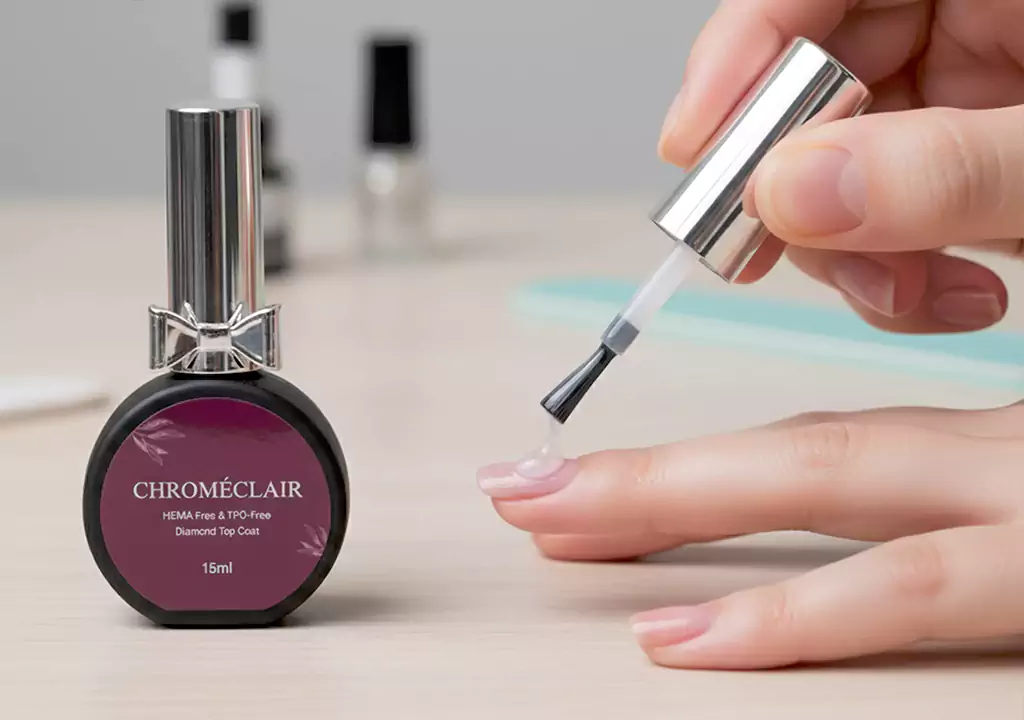
- Less is More: Apply a thin layer of your chosen gel base coat. Just imagine that this is an ordinary makeup base that has to cover the entire surface without being too thick. Protect the free edge of your nail.
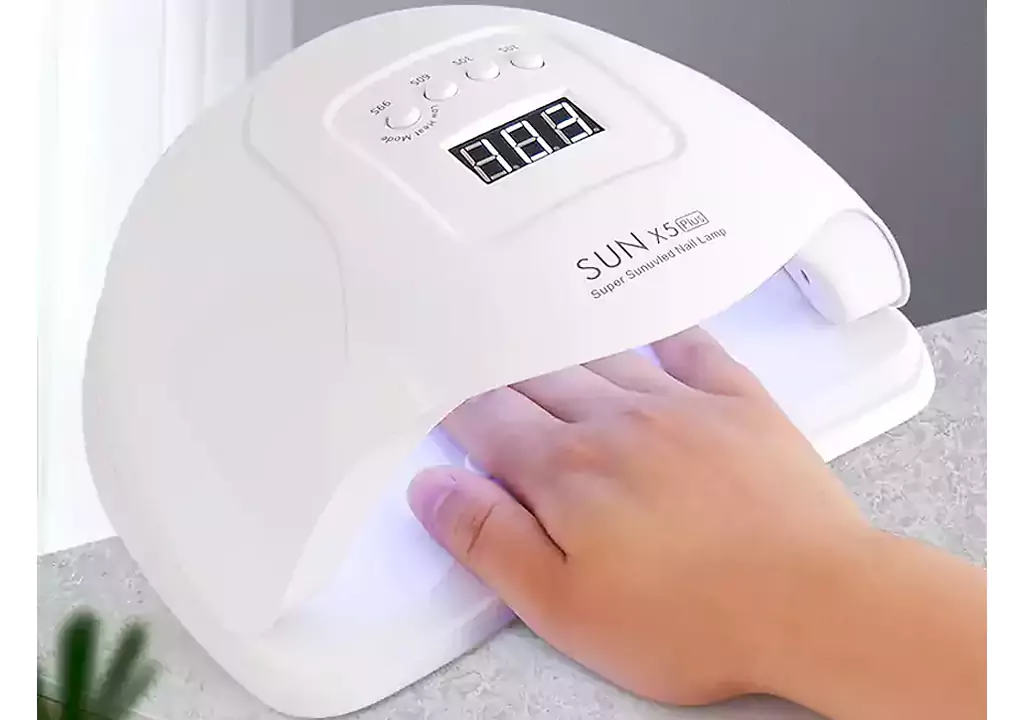
- Cure With Accuracy: Place your hands under your lamp and cure the base coat for the recommended amount of time according to the manufacturer’s directions (usually 30-60 seconds if you use LED lamps).
- Boldly Color: Apply your very first thin layer of your color. This needs to be sealed and cured, while still having some tackiness too. Apply a second and a third layer if needed. Make sure you do not strip the inhibition layer between color applications.
- Protect It with Your Preferred Shield: Now, apply your very last layer that will serve as protection for your nails. If it is a no-wipe top coat, then simply let it cure and admire your shiny and hard nails immediately. If it is just a standard top coat, cure it and clean off the sticky layer using a lint-free paper and good gel cleanser.
Conclusion: Embrace the Tack
So, does gel base coat remain sticky? Yes, it should be sticky all right. That sticky sensation is not an imperfection but a necessity that ensures longevity, flexibility, and durability of your gel nail manicure. In other words, the sticky base coat is what helps hold everything in place. When you know how an inhibition layer forms and when it can be safely wiped away, there will be no fear of the stickiness any longer – it’s just what it’s meant to be.
 English
  Spanish
  German
  French
  Italian
  Dutch
Dutch