
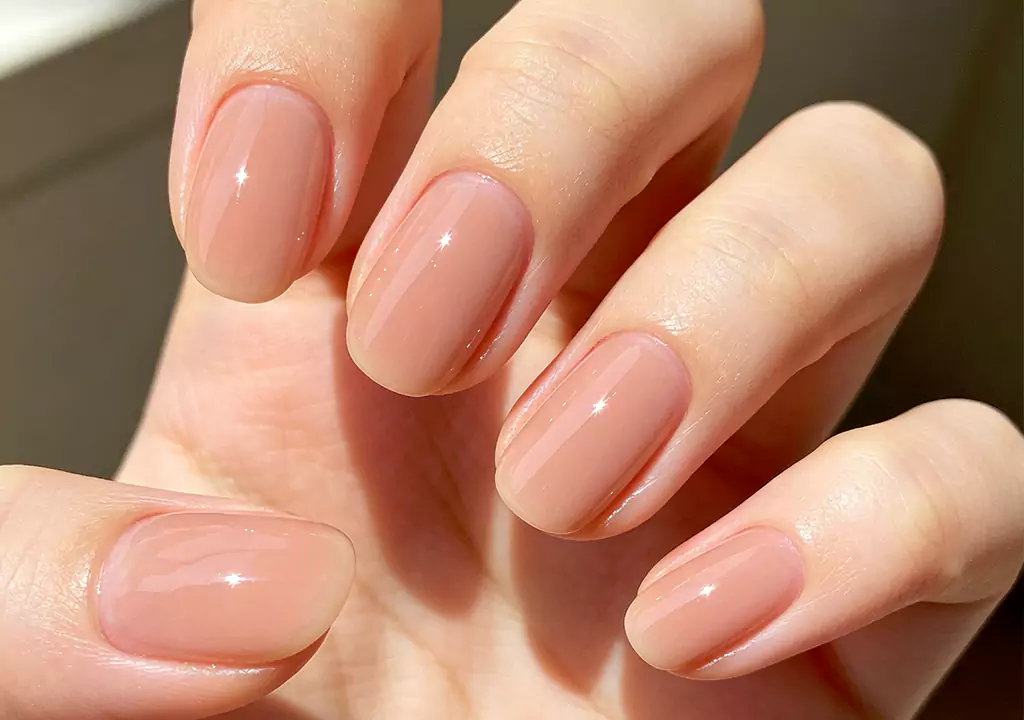
Nail gel is one of the artificial nail products that have been created where gel may be put on the nails with the help of either the UV or the LED lamp. Gel will form a durable gel coat on the nails, lasting for three to four weeks.
Reading Time: 12 mins | Beginner + Pros
What Is UV Gel? How It Works & Why It Lasts
UV gel is defined as a viscous material that is used in nail art. The major property of UV gel is that in contrast to ordinary nail paint, which dries with time, UV gel can be cured only under the influence of ultraviolet or LED lamps, resulting in photopolymerization. That’s why nails made from UV gel are much stronger and longer-lasting.
The secret of UV gel superiority over both ordinary nail paints and acrylics lies in its chemical composition, which contains oligomers – partially assembled polymers. Under the effect of UV light, there occurs fast polymerization, which turns oligomers into durable long chains that firmly adhere to natural nails.
However, the fact that acrylic nail enhancement technology employs individual monomers means that the resulting nails are hard and rigid. In the case of UV gel, due to its oligomer-based nature, the resulting nails become somewhat elastic, thus moving freely along with the natural nails, which prevents any chances of breakage.
Recommended next step
HEMA/TPO-Free Starter Routine
First time trying CHROMÉCLAIR? Start with a small, compatible routine instead of one random bottle.
- Choose a HEMA/TPO-free color or set.
- Pair it with a compatible base and top coat.
- Use the same system for a smoother first manicure.
Shop starter routine kitStart with UV1 7PCSCompare all routines
The positive thing about this is that it will be easy to prevent all of these. With the correct amount of watts of the light used on the gel along with proper nail preparation, all these problems can be prevented.
UV Gel vs. Gel Polish vs. Acrylic — Key Differences
| Feature | UV Gel | Gel Polish | Acrylic |
|---|---|---|---|
| Curing method | UV / LED lamp | UV / LED lamp | Air-dry (no lamp) |
| Flexibility | High ✓ | High ✓ | Low ✗ |
| Durability | 3–4 weeks ✓ | 2–3 weeks | 3–4 weeks ✓ |
| Can extend nail length | Yes ✓ | No ✗ | Yes ✓ |
| Odor | Minimal ✓ | Minimal ✓ | Strong chemical ✗ |
| Removal process | Soak or file | Soak off | Soak or drill |
| Best for beginners | With practice | Yes ✓ | Professional recommended |
UV Gel Nails Pros and Cons: What You Need to Know
There are many reasons why UV gel is the preferred choice when it comes to enhancing nails – but just like any other procedure, there are pros and cons associated with it. Read on for the truth:
Advantages:
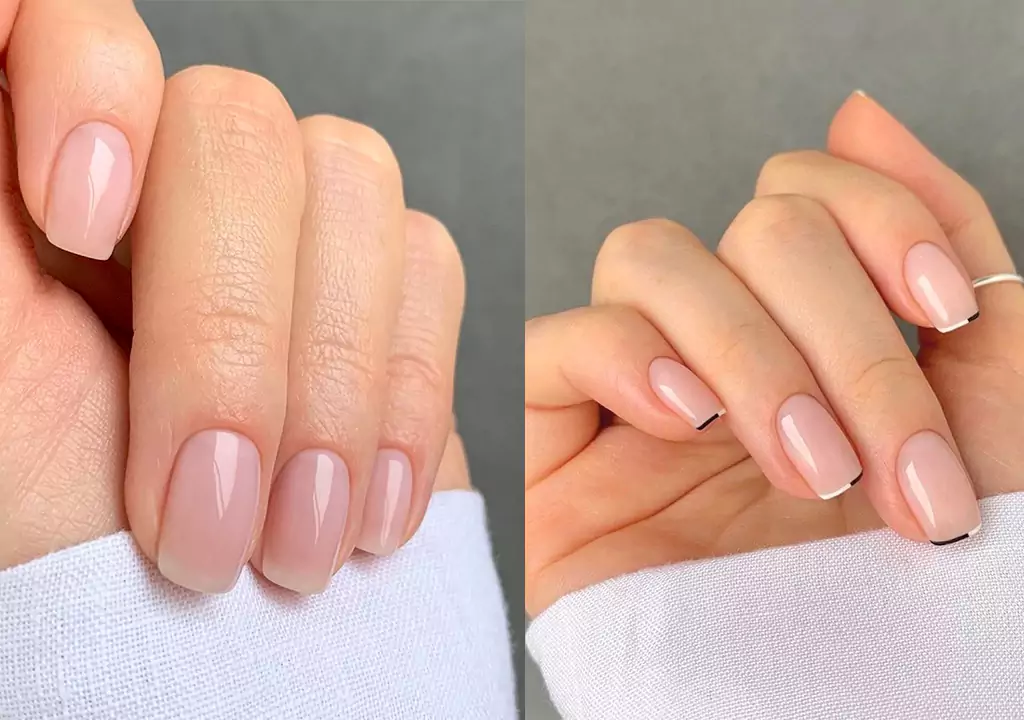
- Chip-free wear for up to 4 weeks
- Flexible — moves with the natural nail
- No harsh chemical odor during application
- Can strengthen thin or brittle nails
- Extends nail length naturally
- Covers discoloration and imperfections
- Supports detailed nail art designs
- High-gloss finish that resists fading
Limitations:
- Requires a UV or LED lamp for curing
- Application takes longer than regular polish
- Learning curve for proper technique
- Professional removal is recommended
- Higher upfront cost for supplies
- Under-curing can cause skin sensitivity
Good news: The majority of these difficulties are quite easy to prevent. With proper use of the bulb’s wattage, with proper layering of the gel and proper preparation of the nails, all of these problems can be prevented.
UV Gel Chemistry: Viscosity, Flexibility and Curing Process
It is necessary to learn some important features of UV gel chemistry in order to avoid the mistakes that are typical during its use. For instance, its viscosity does not occur by accident but depends on the oligomer composition. Contrary to the freely flowing acrylic liquid that consists of one monomer, oligomers are entangled, which gives the natural viscosity without any additives.
Viscosity may be regulated by using additives; therefore there are several types of UV gels depending on their intended use.
Why Proper Curing Is Critical
The flexibility of a finished UV gel manicure isn’t just about gel thickness — it depends on complete, thorough curing. During curing, UV lamp light activates the oligomers to form long polymer chains. If curing is cut short, or if a low-quality lamp is used, the result is an under-cured gel.
⚠️ An under-cured UV gel is the number one safety risk when applying gel nails. It stays extremely flexible, easily deformable, and may induce an allergic reaction, contact dermatitis, due to penetration of uncured monomers into nail bed and skin. Always use a proper lamp corresponding to your gel nail product.
6 Types of UV Gel: Which One Do You Actually Need?
Not all UV gels are the same — each type serves a distinct role in a proper gel manicure system. Using the wrong gel for the wrong purpose is one of the most common beginner mistakes.
1. Base UV Gel
The first one to be applied to all nails that lack any gel coating. The product creates a strong bond between the natural nail plate and future gel coats. Ensures no peeling occurs, smooths the nail plate, and provides additional protection.
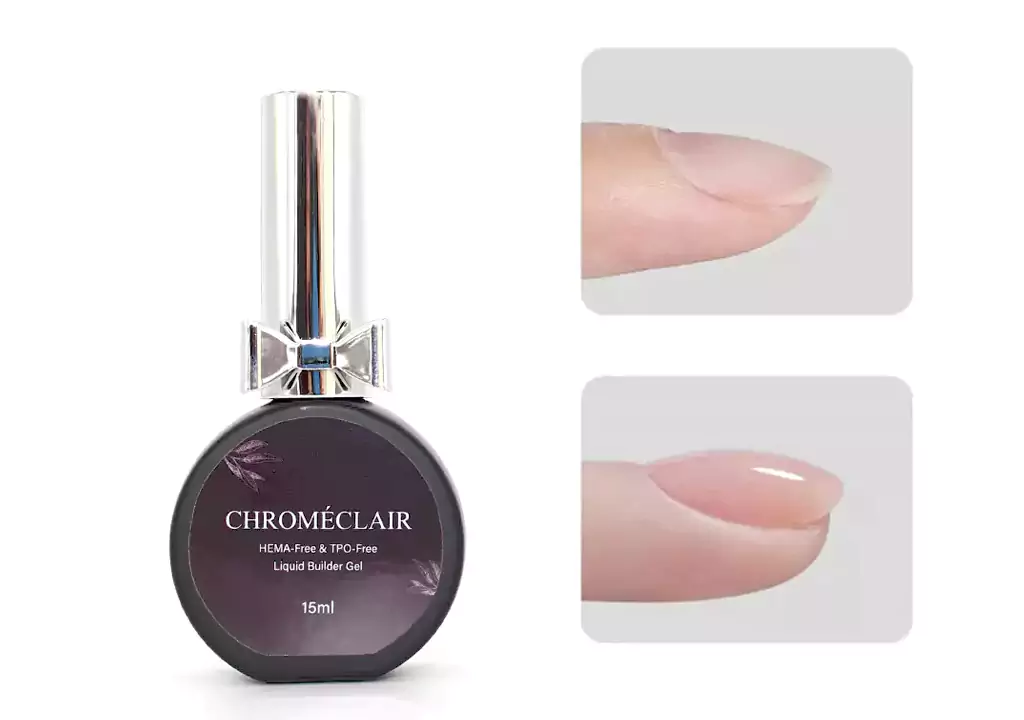
2. Builder UV Gel
Main type of gel applied for shaping, reinforcing, and extending. It is thick enough to ensure it can be used for these purposes. Builder gels come both in clear and colored variants; they tend to level out without too much brushing.
3. Cover UV Gel
A tinted version of builder gel in skin tones. This product is especially created for covering nail stains, discolorations, or any damage to the nails. It can be used as an ideal base for French manicures.
4. White UV Gel
The formulation of this gel includes additional UV blockers that allow to keep the nails white and prevent any yellowing during prolonged usage. This type of gel can be used for creating French tips, decorating nails with hand-painting techniques.
5. Single Phase UV Gel
An all-in-one gel where both the base and the builder properties are incorporated into one. Useful for beginners, as the process is more straightforward. Not as effective as using a separate base and builder, but still a good place to start for home-based applications.
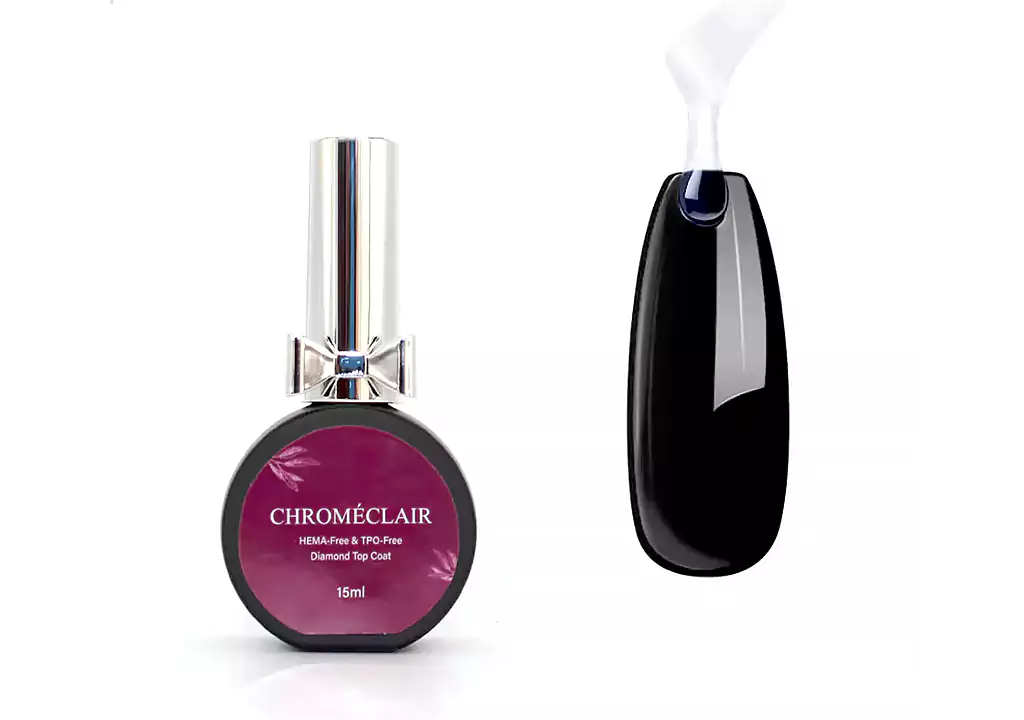
6. Top UV Gel (Top Coat)
This is the last layer applied in any gel manicure procedure. It acts as a protective barrier for all other layers from chipping, impact damage, and discoloration. Comes in glossy, matte, satin, or rubber finish. Essential ingredient in achieving a long-lasting manicure of 3–4 weeks.
Basic Tools and Expert Tips for UV Gel Application
Professional tools and techniques decide either whether your manicure is going to last two weeks or remain beautiful for four weeks. The required items are listed below:
- UV / LED Lamp: Choose your wattage based on your gel variety. The least watts are 36W, although 48W+ is preferred.
- Nail File (100/180 grit): File with double grit: 100-grit is used to remove gel while 180-grit is applied when filing nails.
- Gel Brush: A brush with a flat and oval brush is needed to apply gel smoothly. It needs to be washed after every layer application.
- Nail Prep Liquid: Helps to dehydrate your nails in order to increase adhesion of the gel coating. Absolutely necessary to prevent lifting.
- Cuticle Pusher & Nipper: Correct cuticle removal is the key process for avoiding gel lifting.
- Primer: An acid or non-acid primer helps create an etched nail surface which will ensure a perfect gel application.
File Grit Selection Guide
For most users, a 100/180 dual-grit file is all you need. The coarser 100-grit side removes cured gel efficiently; the finer 180-grit side shapes and smooths both gel and natural nails safely. Experienced technicians working with thick gel extensions may use an 80/100 file on gel layers — but this coarser grit should never touch natural nails, as it will thin the nail plate.
⚠️ UV gel must never be thinned using liquids to make its application easy. This will cause degradation of the oligomer structure and will lead to failure in the process of curing. Consequently, uncured gel will peel, deform, and cause contact dermatitis. In case the gel seems thick, it may be heated gently or allowed to remain at room temperature before application.
UV Gel Myths & Safety Facts You Should Know
✗ Myth: “UV gel permanently weakens your natural nails”
Fact: The gel itself does not weaken nails. In fact, UV gel retains 10–15% additional moisture in the nail plate throughout the wear period. After removal, nails may feel temporarily soft and pliable — but this resolves within 12–24 hours. Any lasting nail damage is almost always caused by improper removal (peeling or forced lifting), not the gel itself.
✗ Myth: “Lifting and peeling are just part of gel nails”
Fact: Lifting, however, is very preventable. The cause of this issue may be because the cuticles have not been removed correctly, no dehydration has taken place before the application, too much gel was used on the nail plate, or the curing process wasn’t properly done. By doing things right, having perfect gel nails for up to 3-4 weeks becomes possible.
✗ Myth: “UV nail lamps cause skin cancer”
Fact: UV nail lamps produce only a small amount of UVA rays per session, taking about 10 minutes for curing the nails. It was determined by scientific studies in dermatology that this period of time is quite safe concerning carcinogenic effects. Most of the allergic reactions to UV gel arise due to uncured gel, which has nothing to do with the lamp.
Selecting a Good-Quality UV Gel: Important Considerations
Quality is a very important factor when it comes to nail gels. A good-quality gel should cure consistently, adhere properly, and be stable and not discolored over time. Among the main characteristics that need to be considered while selecting gel nails products, one can mention safety of formula (HEMA concentration included), color evenness, viscosity, and the completeness of the system.
Featured: Chroméclair HEMA-Free UV Gel System
Chroméclair has built a reputation around formulating UV gels that eliminate the most common irritants found in conventional gel products. Their line excludes both HEMA (hydroxyethyl methacrylate) and TPO — the two ingredients most frequently associated with contact dermatitis and allergic sensitization in gel nails.
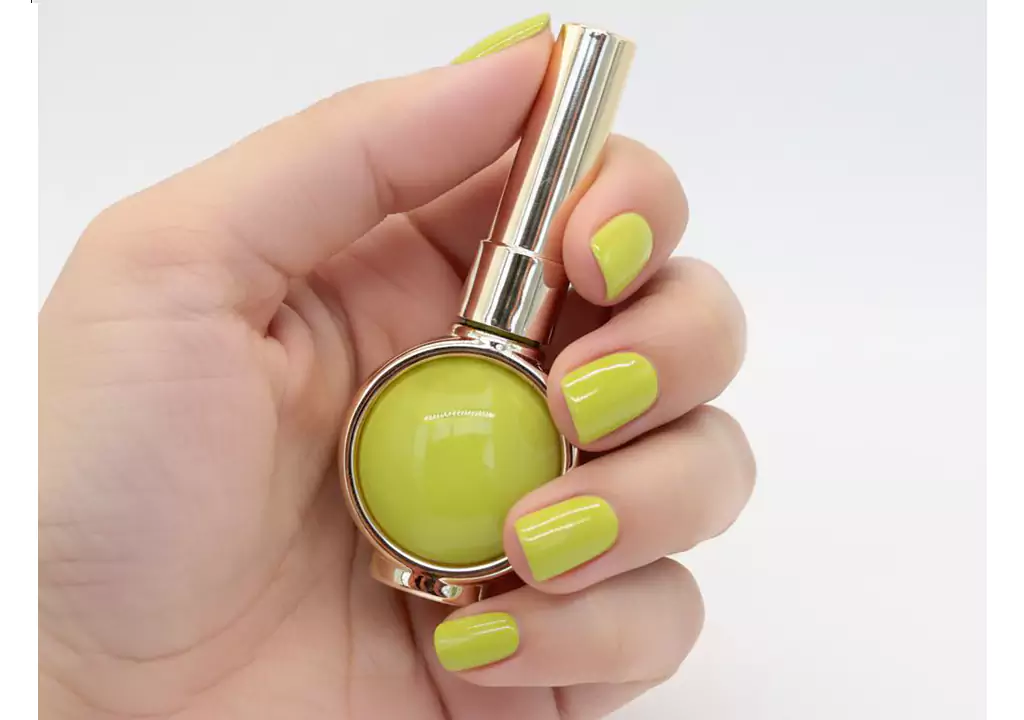
In terms of performance, the formula is designed for a wear duration of 21–35 days with no reported yellowing or color degradation. The range covers a complete system: base gel, color gel in a broad seasonal and neutral palette, and a high-performance top coat.
Key features: ✓ HEMA-free · ✓ TPO-free · ✓ 21–35 day wear · ✓ Full system (base + color + top)
Frequently Asked Questions About UV Gel Nails
How long can UV gel nails last?
Your UV gel nail can last for about three to four weeks without showing signs of wear or discoloration. The longevity of your nail service depends on the way you prepare your nails before applying the gel polish as well as your use of your hands.
Can I do UV gel nails at home?
Yes — UV gel nails can be done at home, but there is a learning curve. The non-negotiable requirements are: an adequate UV or LED lamp, proper nail prep (cuticle removal and dehydration), thin layer application, and full cure time for each layer. One-phase gels are the most beginner-friendly option.
What is the best way of taking out UV gel nails without hurting your nails?
The best way of doing this will be by filing the top layer in order to break its seal before soaking cotton balls with acetone and placing them on top of the nails. You can then wrap the whole process in aluminum foil for about 10 to 15 minutes until the gel comes off using a cuticle stick.
Is it safe to use UV gel on natural nails?
It definitely is, when done right. In fact, UV gel helps enhance the strength of weak and brittle nails during usage. Any damages caused by gel nail application are mostly due to incorrect removal, excessive filing of the nail plate before the application, or exposure to the uncured components of the gel. HEMA-free products provide additional safety against allergic reactions.
Which wattage UV lamp should be used for curing gel nails?
The best thing would be to purchase a light of either LED or UV lamp that will give off light from 36-48 watts so as to properly cure the gel nail products. In addition, it is recommended that you consider the correct lamp for the product since this is what leads to failure of proper curing of the gel.
How does UV gel vary from gel polish?
In comparison to the latter, gel polish is much thinner and can be considered almost as a nail polish as far as the purpose goes, i.e., it is only a decorative layer without any special properties. However, the UV gel helps to strengthen the nails of a person.
 English
  Spanish
  German
  French
  Italian
  Dutch
Dutch