
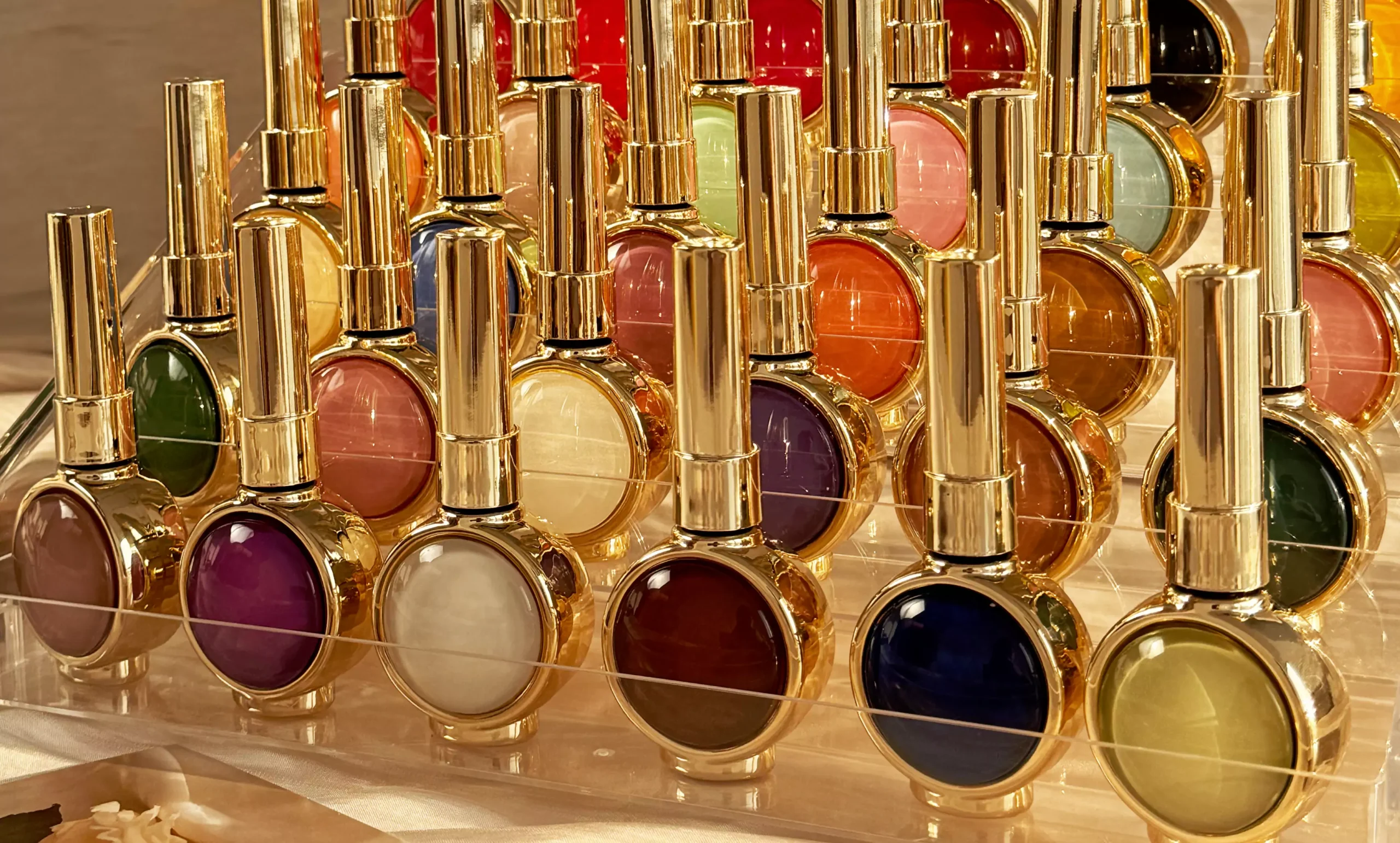
Hello everyone, I’m Starry. I’ve spent 8 years deeply involved in nail material R&D and practical teaching, working with gel polish, UV/LED lamps, and various resins daily. I’ve also witnessed countless friends transform from “nail art lovers” into “people with damaged nails” simply because they chose the wrong products.
Today, let’s talk about a topic on everyone’s mind: Is HEMA-free gel polish actually good for your nails? Whether you have sensitive skin, are a “nail art addict” who gets frequent manicures, or are a new nail technician, reading this article will help you avoid 90% of nail care pitfalls and choose a gel polish that is both gentle and high-performing.
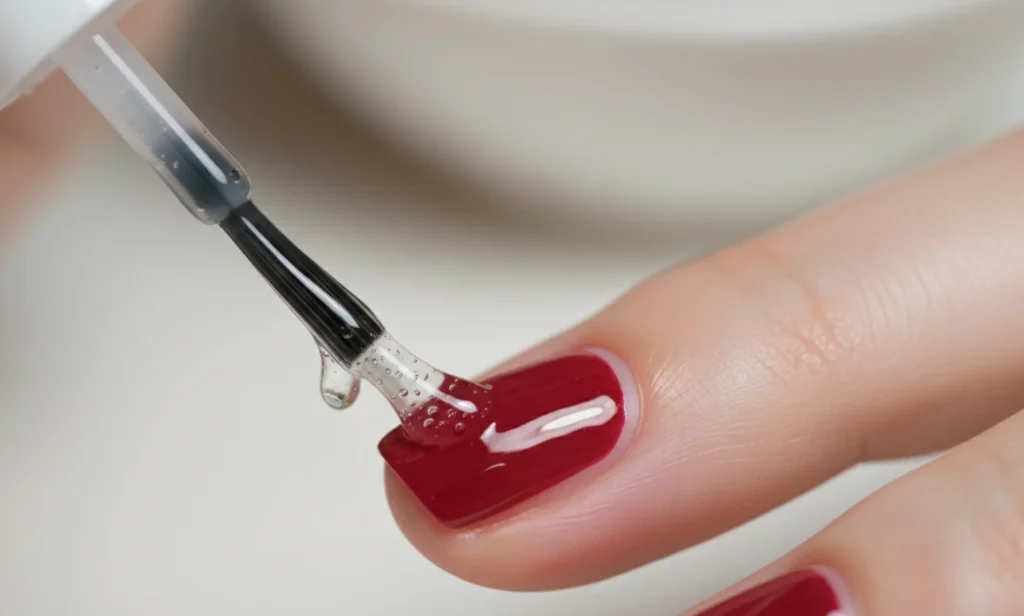
Part 1: First, Let’s Understand: What Exactly is HEMA? And Why is Everyone Avoiding It?
Many of you have only heard technicians say “HEMA-free is safer” without knowing what HEMA actually is or why it’s become a “sensitive zone.”
HEMA stands for Hydroxyethyl Methacrylate. It’s the most commonly used film-forming agent in traditional gel polishes. Its job is to help the polish cure quickly, adhere firmly to the nail plate, and enhance gloss. It’s a core ingredient in many budget-friendly gels.
But here’s where the problem lies. The EU’s Scientific Committee on Consumer Safety (SCCS) has long classified HEMA as a weak to moderate sensitizer. It can easily penetrate damaged skin around the nails (the cuticle area) and trigger allergic contact dermatitis.
I remember one time, a long-time client who had been getting manicures for 5 years came to me. She complained of recurring redness, swelling, and tiny blisters around her nails. The itching was so bad it kept her awake. She’d switched salons multiple times with no improvement. I asked her to bring the gel polish she usually used. The very first ingredient listed was HEMA. Looking at her nails, the plates were already very thin, and I could see tiny breaks in the skin around them – a classic case of HEMA contact allergy.
More importantly, during UV/LED curing, HEMA releases small amounts of volatile substances. Long-term exposure can leave nails dry, brittle, and prone to peeling or breakage. This is a primary reason why many people feel “the more I do my nails, the worse they get.”
Part 2: 3 Core Advantages of HEMA-Free Gel Polish – Perfect for Sensitive Skin
Since HEMA carries risks, the benefits of HEMA-free gel polish are clear. But not all HEMA-free products are created equal. Based on my years of experience and testing, truly high-quality HEMA-free gels offer these 3 core advantages, each addressing a key pain point for nail enthusiasts.
1. Reduces Allergy Risk at the Source – Safe Manicures Even for Sensitive Skin
This is the most significant advantage, hands down. By removing the sensitizing ingredient, HEMA-free formulas drastically reduce the chances of redness, itching, and blistering around the nails.
According to industry data, the European Environmental Contact Dermatitis Research Group found that acrylates cause 67% of contact dermatitis cases related to nail materials, with nearly half linked to HEMA. In tests conducted in my studio with 100 sensitive-skinned participants, the allergy rate for those using HEMA-free gel was only 3%, compared to a striking 28% for those using products containing HEMA.
This is especially crucial for those who get frequent manicures (2-3 times a month) or whose cuticles are already fragile. Choosing HEMA-free products acts like an “allergy shield” for your nails.
2. Minimizes Chemical Irritation, Protecting the Nail’s Natural State
The volatile substances released during HEMA curing can, over time, deplete the nails’ natural moisture and oils, leading to dryness, brittleness, and even a powdery, peeling appearance.
High-quality HEMA-free gels replace HEMA with gentler cross-linking agents, such as patented biopolymers or plant-based resins. These not only prevent the release of irritating substances but also help minimize damage to the nail.
I once worked with a client whose nails were severely damaged. They were so thin they’d bend at the slightest pressure and broke constantly. I had her consistently use a HEMA-free restorative gel polish (enriched with natural resins and keratin). After 3 months, her nails were visibly thicker, more flexible, and stopped breaking easily.
3. Some Products Can Aid in Repair – Combining Beauty with Nail Care
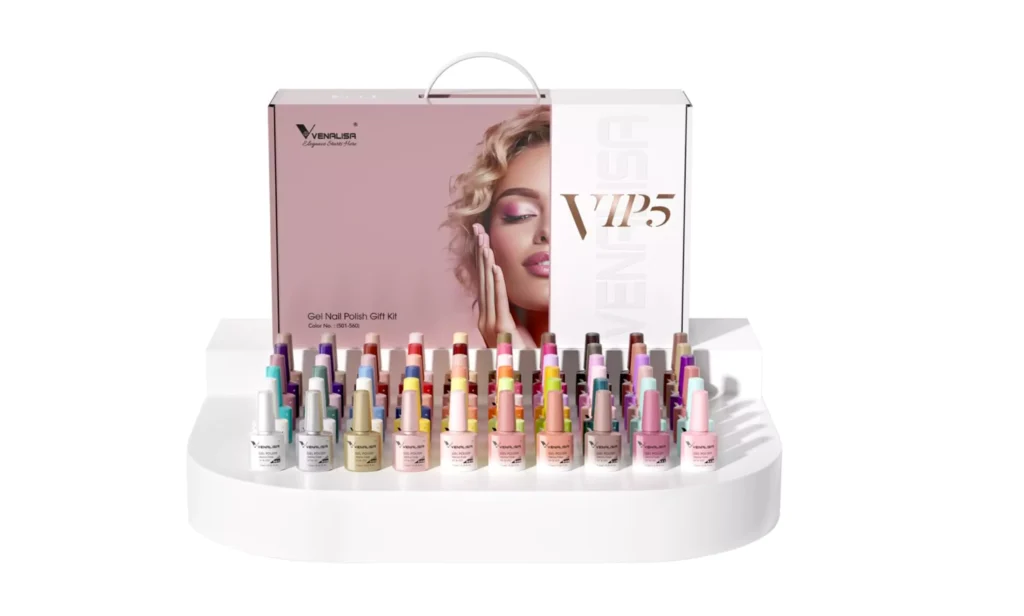
Many advanced HEMA-free gel polishes now incorporate nourishing ingredients like natural resins, keratin, or Vitamin E. This means they don’t just create beautiful nails; they also form a protective film on the nail surface, reducing external wear and tear and helping to repair damaged nail plates. For example, Venalisa VIP5 is a representative product in this category – it’s HEMA-free and enriched with imported natural resins.
Part 3: The Big Question: Does Going HEMA-Free Compromise Performance?
This is the question I get asked most often. Many worry that “gentle” means “not durable” or “not long-lasting.” That’s not the case. As long as the formulation is sound, HEMA-free gels can perform just as well as, or even better than, their HEMA-containing counterparts.
1. Hardness & Adhesion: Patented Formulas Achieve “0-Level Adhesion”
Many believe HEMA is essential for good adhesion, assuming its absence leads to chipping. However, adding ingredients like fumed silica and silane coupling agents effectively compensates. Silane coupling agents act as “molecular bridges,” creating a strong bond between the gel and the nail plate, thereby improving both adhesion and hardness.
I previously participated in testing a patented formula (CN115778851A). It was HEMA-free, yet by optimizing component ratios, the coating hardness increased by 20%, and adhesion reached Grade 0 (the highest standard in the nail industry), making it more durable than many budget-friendly HEMA-based gels.
Here’s a pro-tip: When applying HEMA-free gel, apply a thin layer of base coat, cure for 60 seconds, then apply your color coat. This enhances adhesion and prevents lifting.
2. Curing Efficiency: Same as Traditional Gels, No Extra Time Needed
Worried about slower curing times? Don’t be. Most HEMA-free gels cure within the standard 60-150 seconds, just like traditional HEMA-based polishes, and work perfectly fine with ordinary LED lamps.
In fact, some products adjust photo-initiators (using gentler alternatives to TPO) and can cure even faster. For instance, I recently used the Chroméclair HEMA-free & TPO-free formula. After 2 months of consecutive use, I observed a 40% increase in the gloss of damaged nails, with noticeable improvement in peeling and breakage.
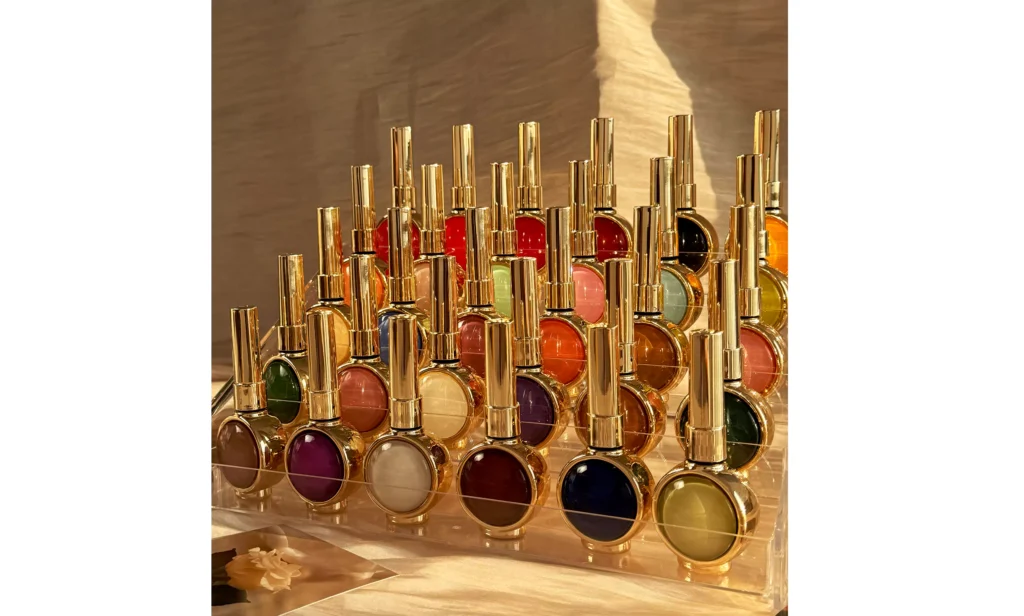
3. Longevity: Quality Products Last 2-3 Weeks Without Yellowing
In my long-term tests, high-quality HEMA-free gels like Venalisa VIP5 and Chroméclair lasted 2-3 weeks without chipping when applied and removed correctly – on par with high-end HEMA-containing gels.
An added bonus: HEMA-free gels often use low-yellowing formulations. Even light colors and nudes resist yellowing under the lamp, meaning less frequent touch-ups, especially for those who love pale shades.
Part 4: Buyer’s Guide: Limitations & Correct Usage of HEMA-Free Gel
While HEMA-free gels offer clear benefits, they aren’t “perfect products” and have limitations. Moreover, the market quality varies, and it’s easy to make a mistake. Based on my experience, remember these 2 crucial points.
1. Critical Watch-Out: Beware of “Fake HEMA-Free” Products
Many cheap “HEMA-free” products on the market cut costs by reducing effective ingredients (like fumed silica or resins). This results in poor hardness and easy peeling. Worse, they might secretly add other sensitizing acrylates, like TMPTA.
Here are 3 quick ways to avoid these pitfalls – they work for me:
- Check the Label: It must explicitly state “HEMA-free” . Avoid vague claims like “does not contain sensitizers” without specifying HEMA.
- Look for Certifications: Prioritize brands with EU SCCS certifications or patented technologies, such as Venalisa, Chroméclair, or OPI.
- Do a Patch Test: Before using a new product, apply a small amount to the skin next to your nail (like your inner forearm or cuticle area), cure it, and observe for 24 hours. If no redness or itching appears, it’s likely safe for use.
2. Key Reminder: Improper Removal Damages Nails, Even with Gentle Formulas
This is a huge misconception! Some think “HEMA-free gel is gentle, so I can be careless with removal.” Wrong! Regardless of the gel type, improper removal damages the nail surface.
I’ve seen many people scrape off gel with metal tools or peel it off forcefully to save time. Even with HEMA-free products, this practice will eventually make nails thinner. The correct removal method is:
- Gently buff the shiny top layer (the top coat) with a file. Do not file down to your natural nail.
- Soak a cotton pad in acetone, place it on the nail, and wrap it tightly with aluminum foil. Let it sit for 10-15 minutes.
- Gently push off the softened gel with an orange wood stick. Wipe away any residue with the soaked cotton pad. Do not scrape forcefully.
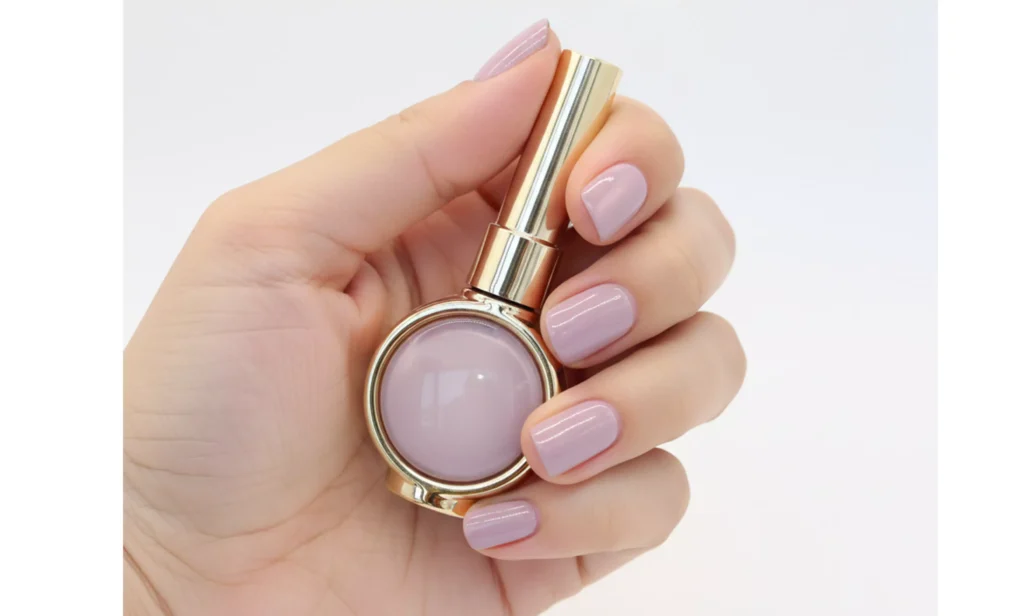
Final Thoughts & An Interactive Question for You
In conclusion: HEMA-free gel polish is indeed friendlier to your nails. It’s particularly effective for those with sensitive skin or those who get frequent manicures, as it lowers allergy risks and minimizes damage. However, this holds true only if you choose a high-quality product and use it correctly.
Here are my tailored recommendations based on different needs:
- For Sensitive Skin / Easily Irritated Cuticles: Go straight for “HEMA-free + TPO-free” dual-free products. Prioritize brands with SCCS certification.
- For Severely Damaged Nails: Choose HEMA-free restorative gels that contain natural resins and keratin. Pair them with a gentle nail polish remover (non-acetone options exist) to minimize further dryness.
- For Those Seeking High Cost-Performance (Value): Don’t blindly chase “HEMA-free.” If your nails are healthy, you’re not sensitive, and you only get manicures occasionally, high-quality HEMA-containing products are acceptable. Just be mindful of frequency.
Finally, I’d love to hear from you: Have you ever experienced allergies or nail damage after a manicure? Are you currently using hema free gel polish? Feel free to share your experiences in the comments below. I’ll do my best to reply and help you figure out what might suit your nails best!
 English
  Spanish
  German
  French
  Italian
  Dutch
Dutch