
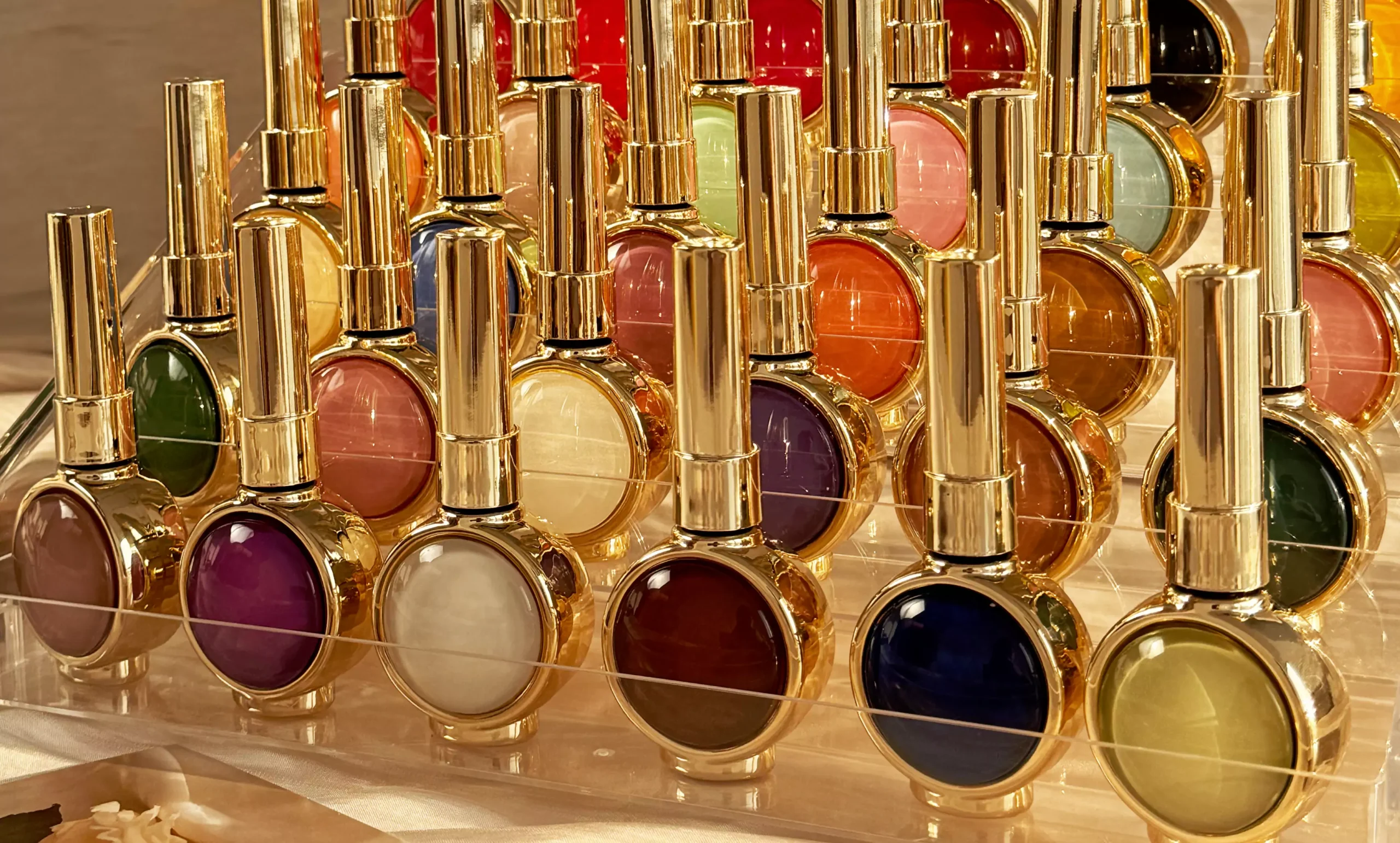
Ciao a tutti, sono Starry. Ho trascorso 8 anni a lavorare a stretto contatto con la ricerca e lo sviluppo di materiali per unghie e con l'insegnamento pratico, utilizzando quotidianamente smalti semipermanenti, lampade UV/LED e diverse resine. Ho anche visto innumerevoli amiche trasformarsi da "amanti della nail art" in "persone con unghie rovinate" semplicemente perché hanno scelto i prodotti sbagliati.
Oggi parliamo di un argomento che è sulla bocca di tutti: È Smalto gel senza HEMA fa davvero bene alle unghie? Che tu abbia la pelle sensibile, che tu sia una "nail art addicted" che si sottopone a manicure frequenti o che tu sia una nail artist alle prime armi, leggere questo articolo ti aiuterà a evitare 90% (901 errori comuni) nella cura delle unghie e a scegliere uno smalto semipermanente delicato e performante.
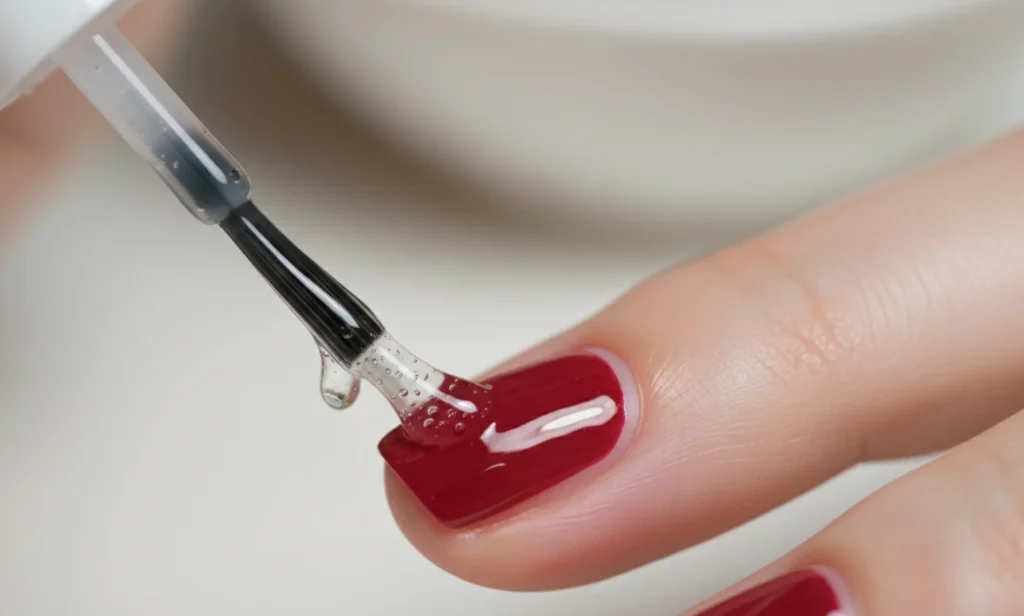
Parte 1: Innanzitutto, cerchiamo di capire: cos'è esattamente l'HEMA? E perché tutti lo evitano?
Molti di voi avranno sentito i tecnici dire "senza HEMA è più sicuro", senza sapere cosa sia effettivamente l'HEMA o perché sia diventata una "zona sensibile".“
HEMA è l'acronimo di Metacrilato di idrossietile. È l'agente filmogeno più comunemente utilizzato negli smalti gel tradizionali. La sua funzione è quella di favorire una rapida polimerizzazione dello smalto, garantirne una solida adesione all'unghia e migliorarne la brillantezza. È un ingrediente fondamentale in molti gel economici.
Ma ecco dove sta il problema. Il Comitato scientifico per la sicurezza dei consumatori (SCCS) dell'UE ha a lungo classificato l'HEMA come un sensibilizzante da debole a moderato. Può facilmente penetrare la pelle danneggiata intorno alle unghie (la zona della cuticola) e scatenare dermatite allergica da contatto.
Passo successivo consigliato
Routine iniziale senza HEMA/TPO
È la prima volta che provi CHROMÉCLAIR? Inizia con una routine semplice e adatta ai tuoi gusti, invece di acquistare un flacone a caso.
- Scegli un colore o un set privo di HEMA/TPO.
- Abbinalo a una base e a un top coat compatibili.
- Utilizza lo stesso sistema per una prima manicure più liscia.
Kit di routine iniziale per l'acquistoInizia con UV1 7PCSConfronta tutte le routine
Ricordo una volta, una cliente di lunga data che si faceva fare la manicure da 5 anni venne da me. Si lamentava di arrossamenti, gonfiori e piccole vesciche ricorrenti intorno alle unghie. Il prurito era così forte da non farla dormire. Aveva cambiato salone diverse volte senza alcun miglioramento. Le chiesi di portarmi lo smalto semipermanente che usava di solito. Il primo ingrediente elencato era HEMA. Guardando le sue unghie, notai che le lamine erano già molto sottili e potei vedere delle piccole lesioni nella pelle intorno ad esse: un classico caso di allergia da contatto all'HEMA.
Ancora più importante, durante la polimerizzazione UV/LED, l'HEMA rilascia piccole quantità di sostanze volatili. L'esposizione prolungata può rendere le unghie secche, fragili e soggette a sfaldamento o rottura. Questo è uno dei motivi principali per cui molte persone pensano che "più mi faccio le unghie, peggio stanno".“
Parte 2: 3 vantaggi principali dello smalto in gel senza HEMA - Perfetto per le pelli sensibili
Poiché l'HEMA comporta dei rischi, i benefici di Collezione di smalti semipermanenti senza HEMA sono chiari. Ma non tutti i prodotti senza HEMA sono uguali. In base alla mia esperienza pluriennale e ai test effettuati, i gel senza HEMA di alta qualità offrono questi 3 vantaggi principali, ognuno dei quali risolve un problema fondamentale per gli appassionati di nail art.
1. Riduce il rischio di allergia alla fonte - Manicure sicura anche per le pelli sensibili
Questo è il vantaggio più significativo, senza ombra di dubbio. Eliminando l'ingrediente sensibilizzante, le formule prive di HEMA riducono drasticamente le possibilità di arrossamenti, pruriti e vesciche intorno alle unghie.
Secondo i dati dell'industria, l'European Environmental Contact Dermatitis Research Group ha rilevato che gli acrilati causano 67% di casi di dermatite da contatto legati ai materiali per unghie, di cui quasi la metà legati all'HEMA. Nei test condotti nel mio studio con 100 partecipanti dalla pelle sensibile, il tasso di allergia per coloro che hanno utilizzato gel senza HEMA è stato solo di 3%, rispetto a un impressionante 28% per coloro che hanno utilizzato prodotti contenenti HEMA.
Questo è particolarmente importante per coloro che fanno manicure frequenti (2-3 volte al mese) o le cui cuticole sono già fragili. La scelta di prodotti privi di HEMA agisce come un “scudo antiallergico” per le unghie.
2. Riduce al minimo l'irritazione chimica, proteggendo lo stato naturale dell'unghia.
Le sostanze volatili rilasciate durante la polimerizzazione con HEMA possono, nel tempo, impoverire l'idratazione e gli oli naturali delle unghie, causando secchezza, fragilità e persino un aspetto polveroso e sfaldabile.
I gel senza HEMA di alta qualità sostituiscono l'HEMA con agenti reticolanti più delicati, come biopolimeri brevettati o resine di origine vegetale. Questi non solo impediscono il rilascio di sostanze irritanti, ma contribuiscono anche a minimizzare i danni all'unghia.
Una volta ho lavorato con una cliente le cui unghie erano gravemente danneggiate. Erano così sottili che si piegavano alla minima pressione e si rompevano continuamente. Le ho consigliato di usare costantemente uno smalto gel rigenerante senza HEMA (arricchito con resine naturali e cheratina). Dopo 3 mesi, le sue unghie erano visibilmente più spesse, più flessibili e non si rompevano più così facilmente.
3. Alcuni prodotti possono aiutare la riparazione - Combinare la bellezza con la cura delle unghie
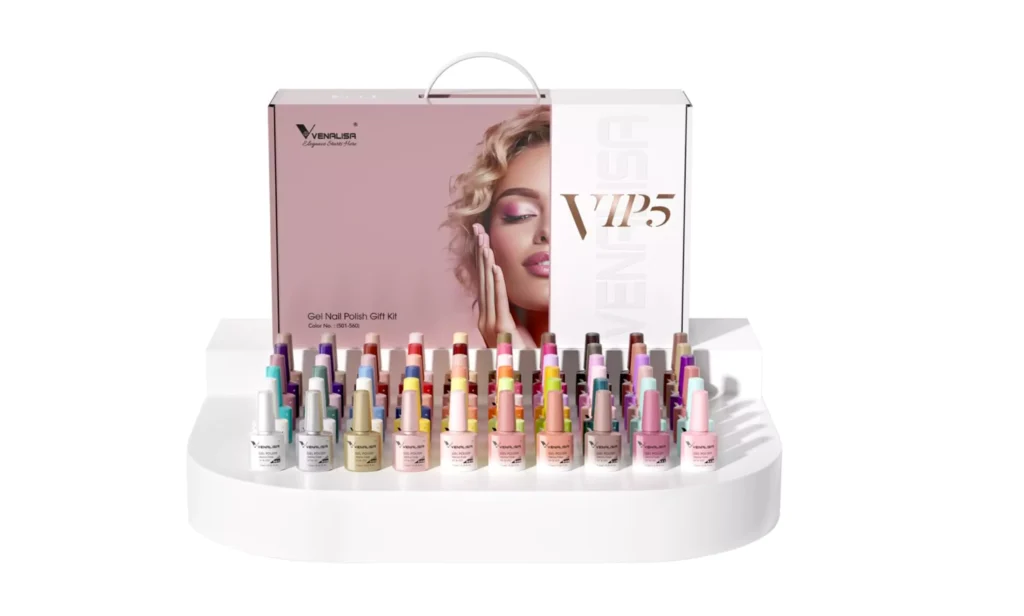
Molti smalti gel avanzati senza HEMA ora incorporano ingredienti nutrienti come resine naturali, cheratina o vitamina E. Ciò significa che non solo creano unghie bellissime, ma formano anche una pellicola protettiva sulla superficie dell'unghia, riducendo l'usura esterna e contribuendo a riparare le lamine ungueali danneggiate. Ad esempio, Venalisa VIP5 è un prodotto rappresentativo di questa categoria: è privo di HEMA e arricchito con resine naturali importate.
Parte 3: La grande domanda: L'assenza di HEMA compromette le prestazioni?
Questa è la domanda che mi viene posta più spesso. Molti temono che "delicato" significhi "non resistente" o "di breve durata". Non è così. Se la formulazione è corretta, i gel privi di HEMA possono avere prestazioni pari o addirittura superiori a quelle delle loro controparti contenenti HEMA.
1. Durezza e adesione: formule brevettate per un'adesione pari a zero.“
Molti credono che l'HEMA sia essenziale per una buona adesione, presumendo che la sua assenza porti a scheggiature. Tuttavia, l'aggiunta di ingredienti come la silice pirogenica e gli agenti di accoppiamento silanici compensa efficacemente questa mancanza. Gli agenti di accoppiamento silanici agiscono come "ponti molecolari", creando un forte legame tra il gel e la lamina ungueale, migliorando così sia l'adesione che la durezza.
In precedenza ho partecipato alla sperimentazione di una formula brevettata (CN115778851A). Era priva di HEMA, ma ottimizzando i rapporti dei componenti, la durezza del rivestimento è aumentata di 20% e l'adesione ha raggiunto Grado 0 (lo standard più elevato nel settore delle unghie), che lo rende più duraturo di molti gel economici a base di HEMA.
Ecco un consiglio da professionisti: quando si applica il gel senza HEMA, applicare uno strato sottile di Rivestimento di base in gomma, Lasciare asciugare per 60 secondi, quindi applicare la mano di colore. Questo migliora l'adesione e previene il sollevamento.
2. Efficienza di polimerizzazione: Uguale a quella dei gel tradizionali, senza bisogno di tempi supplementari
Preoccupati per i tempi di polimerizzazione più lunghi? Non c'è motivo. La maggior parte dei gel senza HEMA polimerizza entro i 60-150 secondi standard, proprio come gli smalti tradizionali a base di HEMA, e funziona perfettamente con le normali lampade LED.
In effetti, alcuni prodotti regolano i fotoiniziatori (utilizzando alternative più delicate del TPO) e possono polimerizzare ancora più velocemente. Ad esempio, di recente ho utilizzato il prodotto Chroméclair senza HEMA e senza TPO formula. Dopo 2 mesi di utilizzo consecutivo, ho osservato un aumento di 40% della lucentezza delle unghie danneggiate, con un notevole miglioramento dello sfaldamento e della rottura.
3. Longevità: I prodotti di qualità durano 2-3 settimane senza ingiallire
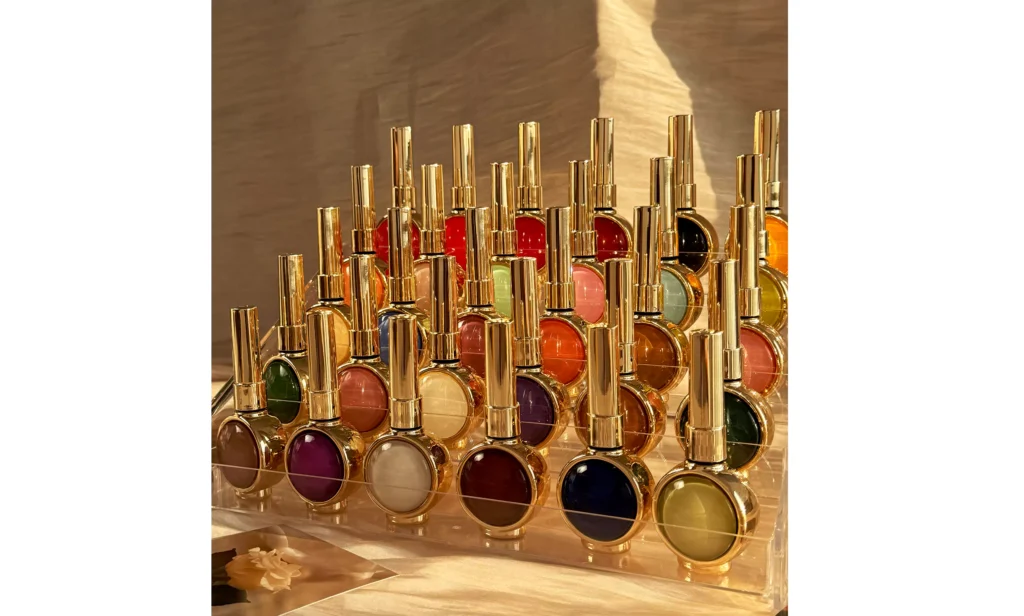
Nei miei test a lungo termine, i gel privi di HEMA di alta qualità come Venalisa VIP5 e Chroméclair ha resistito 2-3 settimane senza scheggiature se applicato e rimosso correttamente - alla pari con i gel contenenti HEMA di alta gamma.
Un ulteriore vantaggio: i gel senza HEMA utilizzano spesso formulazioni a basso indice di ingiallimento. Anche i colori chiari e i nudi resistono all'ingiallimento sotto la lampada, il che significa ritocchi meno frequenti, soprattutto per chi ama le tonalità chiare.
Parte 4: Guida all'acquisto: Limitazioni e corretto utilizzo del gel senza HEMA
Sebbene i gel senza HEMA offrano chiari vantaggi, non sono "prodotti perfetti" e presentano delle limitazioni. Inoltre, la qualità sul mercato è variabile ed è facile sbagliare. In base alla mia esperienza, ricordate questi due punti cruciali.
1. Attenzione fondamentale: diffidate dei prodotti "falsi senza HEMA"
Molti prodotti economici "senza HEMA" presenti sul mercato riducono i costi diminuendo la quantità di ingredienti efficaci (come la silice pirogenica o le resine). Ciò si traduce in una scarsa durezza e in una facile scrostatura. Peggio ancora, potrebbero contenere di nascosto altri acrilati sensibilizzanti, come il TMPTA.
Ecco 3 modi rapidi per evitare queste insidie: per me funzionano:
- Controllare l'etichetta: Deve dichiarare esplicitamente “Senza HEMA” . Evitate affermazioni vaghe come "non contiene sensibilizzanti" senza specificare HEMA.
- Cercate le certificazioni: Privilegiare i marchi con certificazioni SCCS dell'UE o con tecnologie brevettate, come ad esempio Venalisa, Chroméclair o OPI.
- Eseguire un patch test: Prima di utilizzare un nuovo prodotto, applicane una piccola quantità sulla pelle vicino all'unghia (ad esempio, sulla parte interna dell'avambraccio o nella zona delle cuticole), lascialo polimerizzare e osserva per 24 ore. Se non compaiono arrossamenti o prurito, è probabile che tu possa usarlo in sicurezza.
2. Promemoria fondamentale: La rimozione impropria danneggia le unghie, anche con le formule delicate
Questo è un malinteso enorme! Alcuni pensano: "Il gel senza HEMA è delicato, quindi posso essere disinvolto nella rimozione".“ Sbagliato! Indipendentemente dal tipo di gel, la rimozione impropria danneggia la superficie dell'unghia.
Ho visto molte persone raschiare via il gel con strumenti metallici o staccarlo con forza per risparmiare tempo. Anche con prodotti senza HEMA, questa pratica finirà per assottigliare le unghie. Il metodo di rimozione corretto è:
- Lucidare delicatamente lo strato superiore lucido (il top coat) con una lima. Non limare fino all'unghia naturale.
- Imbevete un batuffolo di cotone nell'acetone, appoggiatelo sull'unghia e avvolgetelo strettamente con un foglio di alluminio. Lasciare riposare per 10-15 minuti.
- Spingere via delicatamente il gel ammorbidito con un bastoncino di legno d'arancio. Eliminare i residui con il dischetto di cotone imbevuto. Non raschiare con forza.
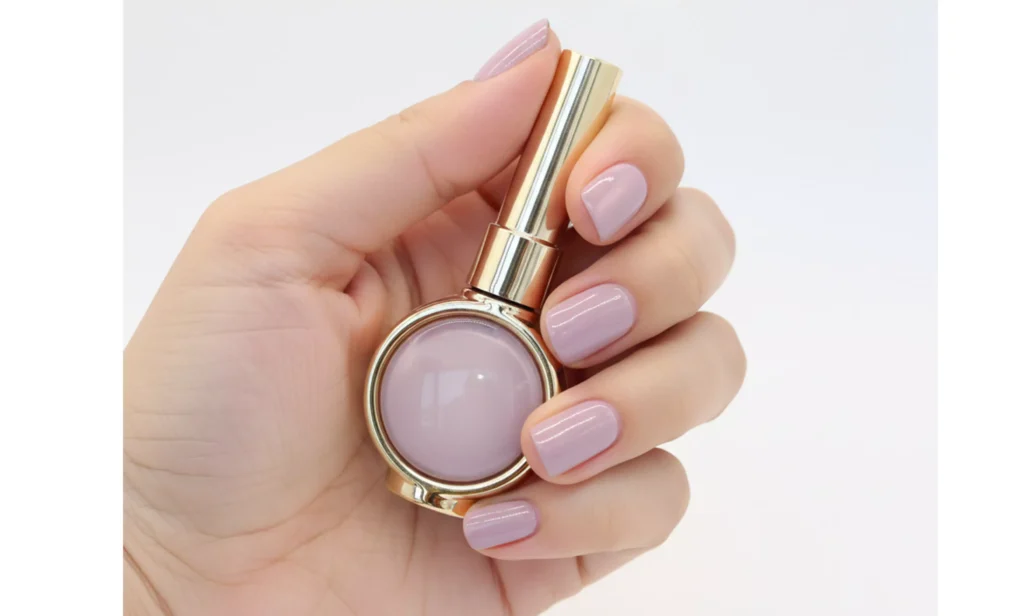
Considerazioni finali e una domanda interattiva per voi
In conclusione: Smalto gel senza HEMA È effettivamente più delicato sulle unghie. È particolarmente efficace per chi ha la pelle sensibile o per chi si sottopone a manicure frequenti, poiché riduce il rischio di allergie e minimizza i danni. Tuttavia, questo vale solo se si sceglie un prodotto di alta qualità e lo si utilizza correttamente.
Ecco i miei consigli personalizzati in base alle diverse esigenze:
- Per pelli sensibili / cuticole facilmente irritabili: Andate dritti verso “Prodotti a doppia assenza di HEMA e TPO.. Privilegiare i marchi con certificazione SCCS.
- Per unghie gravemente danneggiate: Scegliere Gel restaurativi senza HEMA che contengono resine naturali e cheratina. Abbinateli a un solvente per unghie delicato (esistono opzioni senza acetone) per ridurre al minimo l'ulteriore secchezza.
- Per chi cerca un alto rapporto costo/prestazioni (valore): Non lasciatevi ingannare dalla dicitura "senza HEMA". Se le vostre unghie sono sane, non siete sensibili e vi fate la manicure solo occasionalmente, i prodotti di alta qualità contenenti HEMA sono accettabili. Fate solo attenzione alla frequenza.
Infine, mi piacerebbe sapere cosa ne pensi: hai mai avuto allergie o danni alle unghie dopo una manicure? Stai usando attualmente smalto gel hema freeSentitevi libere di condividere le vostre esperienze nei commenti qui sotto. Farò del mio meglio per rispondere e aiutarvi a capire cosa potrebbe essere più adatto alle vostre unghie!
 English
  Spanish
  German
  French
  Italian
  Dutch
Dutch