
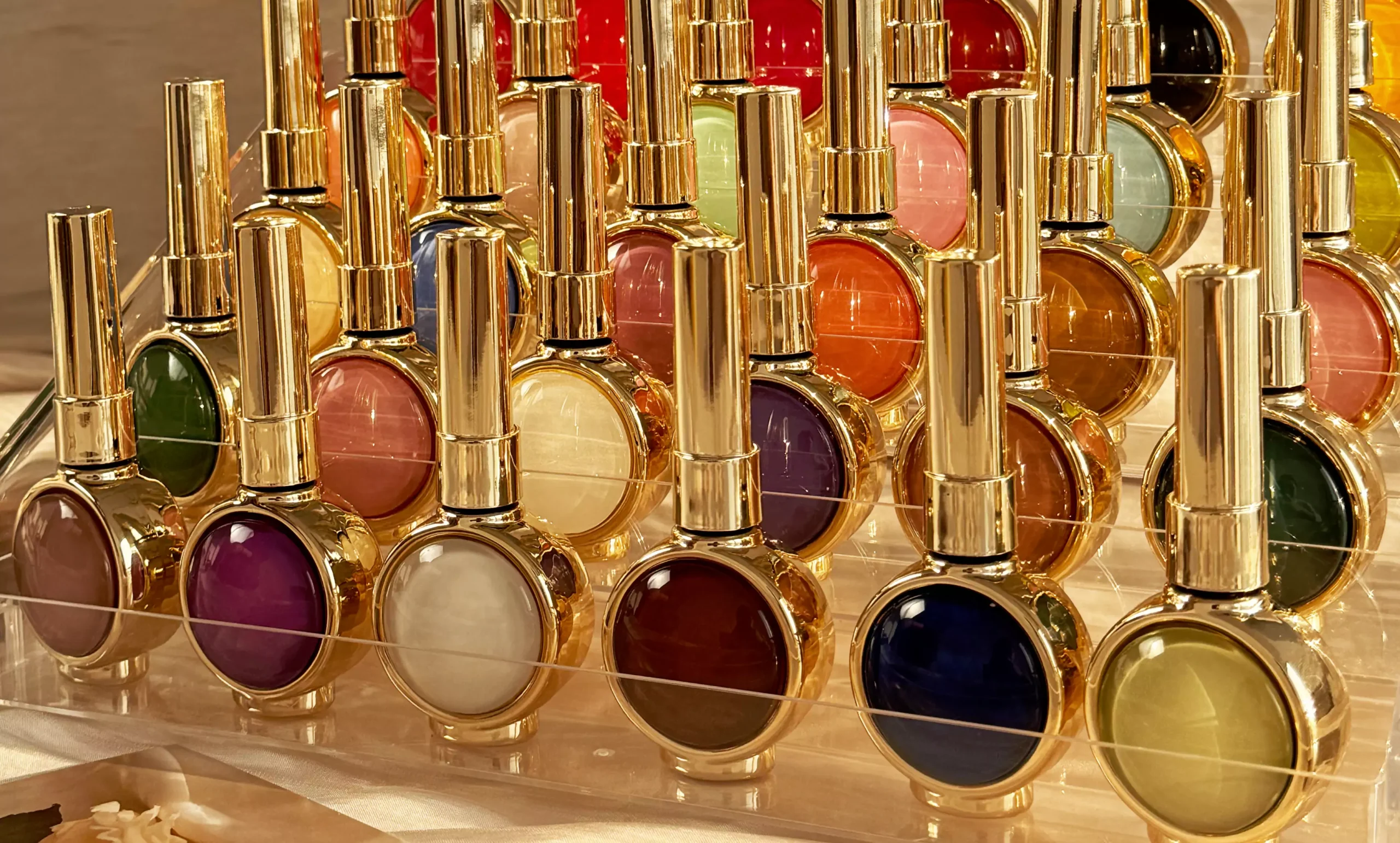
Hola a todos, soy Starry. Llevo 8 años dedicada a la investigación y desarrollo de materiales para uñas y a la enseñanza práctica, trabajando a diario con esmaltes en gel, lámparas UV/LED y diversas resinas. También he visto cómo muchas amigas, que antes eran aficionadas al nail art, se convertían en personas con uñas dañadas simplemente por elegir los productos equivocados.
Hoy vamos a hablar de un tema que preocupa a todos: Es Esmalte en gel sin HEMA ¿realmente es bueno para las uñas? Tanto si tienes la piel sensible, como si eres una "adicta al arte de uñas" que se hace la manicura con frecuencia, o si eres una técnica de uñas principiante, leer este artículo te ayudará a evitar un sinfín de errores comunes en el cuidado de las uñas y a elegir un esmalte en gel que sea a la vez suave y de alto rendimiento.
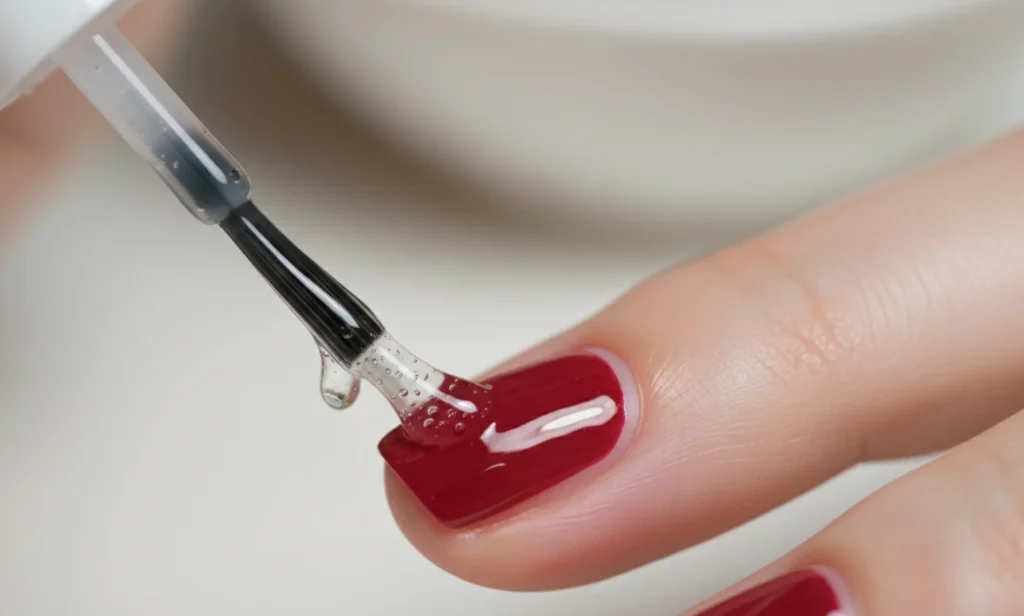
Parte 1: Primero, entendamos: ¿Qué es exactamente HEMA? ¿Y por qué todo el mundo lo evita?
Muchos de ustedes solo han oído a los técnicos decir que "sin HEMA es más seguro" sin saber qué es realmente el HEMA ni por qué se ha convertido en una "zona sensible".“
HEMA significa Metacrilato de hidroxietilo. Es el agente filmógeno más utilizado en los esmaltes de gel tradicionales. Su función es ayudar a que el esmalte se seque rápidamente, se adhiera firmemente a la placa ungueal y potencie el brillo. Es un ingrediente clave en muchos geles económicos.
Pero aquí es donde radica el problema. El Comité Científico de Seguridad del Consumidor (SCCS) de la UE ha clasificado desde hace tiempo el HEMA como un sensibilizante de débil a moderado. Puede penetrar fácilmente la piel dañada alrededor de las uñas (la zona de la cutícula) y desencadenar una reacción alérgica. dermatitis alérgica de contacto.
Paso siguiente recomendado
Rutina de inicio sin HEMA/TPO
¿Es la primera vez que pruebas CHROMÉCLAIR? Empieza con una rutina sencilla y compatible en lugar de comprar un frasco al azar.
- Elige un color o conjunto libre de HEMA/TPO.
- Combínalo con una base y una capa superior compatibles.
- Utilice el mismo sistema para una primera manicura más suave.
Kit de rutina de inicio de la tiendaComience con UV1 7 piezasComparar todas las rutinas
Recuerdo una vez que una clienta de muchos años, que llevaba cinco años haciéndose la manicura, vino a verme. Se quejaba de enrojecimiento, hinchazón y pequeñas ampollas recurrentes alrededor de las uñas. El picor era tan intenso que no la dejaba dormir. Había cambiado de salón varias veces sin ninguna mejoría. Le pedí que trajera el esmalte en gel que solía usar. El primer ingrediente de la lista era HEMA. Al examinar sus uñas, vi que las placas ya estaban muy finas y que se veían pequeñas grietas en la piel que las rodeaba: un caso clásico de alergia de contacto al HEMA.
Más importante aún, durante el curado UV/LED, el HEMA libera pequeñas cantidades de sustancias volátiles. La exposición prolongada puede resecar las uñas, volverlas quebradizas y hacerlas más propensas a descamarse o romperse. Esta es una de las principales razones por las que muchas personas piensan: “Cuanto más me arreglo las uñas, peor se me ponen”.”
Parte 2: 3 ventajas principales del esmalte en gel sin HEMA: perfecto para pieles sensibles
Dado que HEMA conlleva riesgos, los beneficios de Colección de esmaltes en gel sin HEMA Son claras. Pero no todos los productos sin HEMA son iguales. Basándome en mis años de experiencia y pruebas, los geles sin HEMA de verdadera calidad ofrecen estas tres ventajas principales, cada una de las cuales aborda un problema clave para las aficionadas a las uñas.
1. Reduce el riesgo de alergias en origen: manicuras seguras incluso para pieles sensibles
Ésta es, sin duda, la ventaja más significativa. Al eliminar el ingrediente sensibilizador, las fórmulas sin HEMA reducen drásticamente las posibilidades de enrojecimiento, picor y formación de ampollas alrededor de las uñas.
Según datos de la industria, el Grupo Europeo de Investigación sobre Dermatitis de Contacto Ambiental descubrió que los acrilatos causan 67% de los casos de dermatitis de contacto relacionados con materiales para uñas, y casi la mitad están vinculados al HEMA. En las pruebas realizadas en mi estudio con 100 participantes de piel sensible, la tasa de alergia de los que utilizaban gel sin HEMA era de sólo 3%, frente a los sorprendentes 28% de los que utilizaban productos que contenían HEMA.
Esto es especialmente crucial para quienes se hacen la manicura con frecuencia (2-3 veces al mes) o cuyas cutículas ya son frágiles. Elegir productos sin HEMA actúa como un “escudo antialérgico” para tus uñas.
2. Minimiza la irritación química, protegiendo el estado natural de la uña.
Las sustancias volátiles que se liberan durante el curado con HEMA pueden, con el tiempo, agotar la humedad y los aceites naturales de las uñas, lo que provoca sequedad, fragilidad e incluso una apariencia polvorienta y descamativa.
Los geles sin HEMA de alta calidad sustituyen el HEMA por agentes reticulantes más suaves, como biopolímeros patentados o resinas vegetales. Estos no solo evitan la liberación de sustancias irritantes, sino que también ayudan a minimizar los daños en la uña.
Una vez trabajé con una clienta cuyas uñas estaban muy dañadas. Eran tan finas que se doblaban con la menor presión y se rompían constantemente. Le recomendé usar de forma regular un esmalte de gel reparador sin HEMA (enriquecido con resinas naturales y queratina). Después de 3 meses, sus uñas estaban visiblemente más gruesas, flexibles y dejaron de romperse con facilidad.
3. Algunos productos pueden ayudar a repararlas - Combinar la belleza con el cuidado de las uñas
Muchos esmaltes en gel avanzados sin HEMA ahora incorporan ingredientes nutritivos como resinas naturales, queratina o vitamina E. Esto significa que no solo crean uñas hermosas, sino que también forman una película protectora en la superficie de la uña, reduciendo el desgaste externo y ayudando a reparar las placas ungueales dañadas. Por ejemplo, Venalisa VIP5 Es un producto representativo de esta categoría: no contiene HEMA y está enriquecido con resinas naturales importadas.

Parte 3: La gran pregunta: ¿Sin HEMA se compromete el rendimiento?
Esta es la pregunta que más me hacen. A muchos les preocupa que "suave" signifique "poco duradero" o "de corta duración". No es así. Siempre que la formulación sea correcta, los geles sin HEMA pueden funcionar tan bien, o incluso mejor, que sus homólogos con HEMA.
1. Dureza y Adhesión: Fórmulas patentadas que logran una “Adhesión de nivel 0”.”
Muchos creen que el HEMA es esencial para una buena adhesión, asumiendo que su ausencia provoca que las uñas se astillen. Sin embargo, la adición de ingredientes como sílice pirógena y agentes de acoplamiento de silano compensa eficazmente esta deficiencia. Los agentes de acoplamiento de silano actúan como "puentes moleculares", creando una fuerte unión entre el gel y la placa ungueal, mejorando así tanto la adhesión como la dureza.
Anteriormente participé en las pruebas de una fórmula patentada (CN115778851A). No contenía HEMA, pero optimizando las proporciones de los componentes, la dureza del revestimiento aumentó en 20%, y la adherencia alcanzó los Grado 0 (el estándar más alto en la industria de las uñas), lo que lo hace más duradero que muchos geles económicos a base de HEMA.
Aquí tienes un consejo profesional: al aplicar gel sin HEMA, aplica una capa fina de Capa base de caucho, Deje secar durante 60 segundos y luego aplique la capa de color. Esto mejora la adherencia y evita que se levante.
2. Eficacia de curado: Igual que los geles tradicionales, no necesita tiempo extra
¿Te preocupa que el tiempo de secado sea más lento? No te preocupes. La mayoría de los geles sin HEMA se secan en los 60-150 segundos habituales, igual que los esmaltes tradicionales con HEMA, y funcionan perfectamente con lámparas LED comunes.
De hecho, algunos productos ajustan los fotoiniciadores (utilizando alternativas más suaves al TPO) y pueden curar incluso más rápido. Por ejemplo, hace poco utilicé el Chroméclair sin HEMA y sin TPO fórmula. Tras 2 meses de uso consecutivo, observé un aumento 40% del brillo de las uñas dañadas, con una notable mejora de la descamación y la rotura.
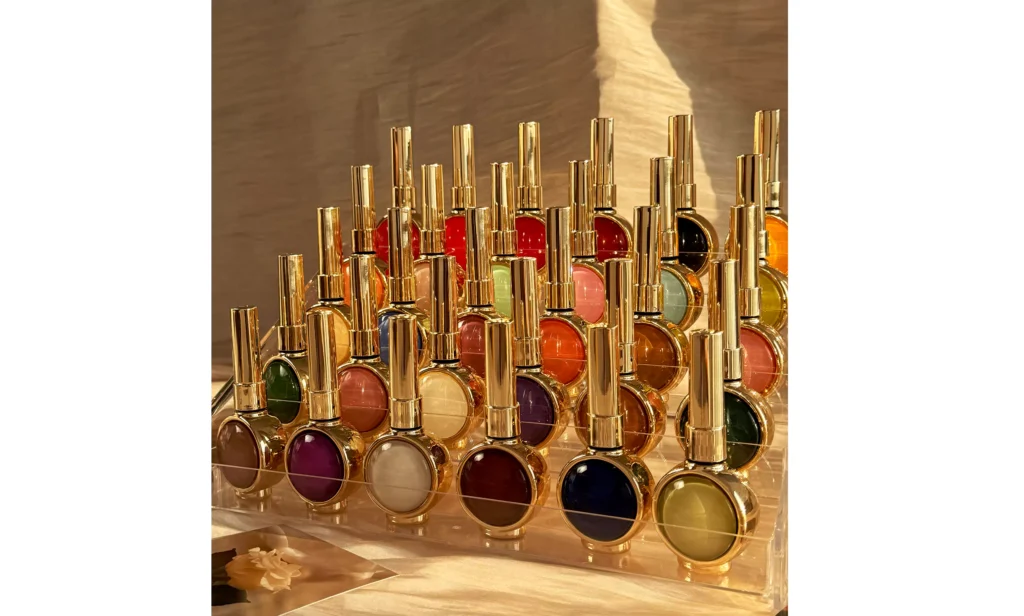
3. Longevidad: Los productos de calidad duran 2-3 semanas sin amarillear
En mis pruebas a largo plazo, los geles sin HEMA de alta calidad como Venalisa VIP5 y Chroméclair dura de 2 a 3 semanas sin descascarillarse si se aplica y retira correctamente, al mismo nivel que los geles de gama alta que contienen HEMA.
Una ventaja añadida: los geles sin HEMA suelen utilizar fórmulas de bajo amarilleamiento. Incluso los colores claros y nudes resisten el amarilleo bajo la lámpara, lo que significa menos retoques frecuentes, especialmente para los amantes de los tonos pálidos.
Parte 4: Guía del comprador: Limitaciones y uso correcto del gel sin HEMA
Si bien los geles sin HEMA ofrecen claros beneficios, no son productos perfectos y tienen limitaciones. Además, la calidad varía en el mercado y es fácil equivocarse. Basándome en mi experiencia, recuerde estos dos puntos cruciales.
1. Advertencia importante: Cuidado con los productos falsificados que se anuncian como "libres de HEMA".
Muchos productos baratos “sin HEMA” del mercado reducen costos disminuyendo la cantidad de ingredientes efectivos (como sílice pirógena o resinas). Esto resulta en una dureza deficiente y un fácil desprendimiento. Peor aún, podrían añadir secretamente otros acrilatos sensibilizantes, como el TMPTA.
Aquí tienes 3 formas rápidas de evitar estos escollos, a mí me funcionan:
- Compruebe la etiqueta: Debe indicar explícitamente “Libre de HEMA” . Evite afirmaciones vagas como "no contiene sensibilizantes" sin especificar HEMA.
- Busque certificaciones: Dar prioridad a las marcas con certificaciones SCCS de la UE o tecnologías patentadas, como Venalisa, Chroméclair u OPI.
- Haga una prueba del parche: Antes de usar un producto nuevo, aplique una pequeña cantidad en la piel junto a la uña (como en la parte interna del antebrazo o la zona de la cutícula), déjelo actuar y observe durante 24 horas. Si no aparece enrojecimiento ni picazón, probablemente sea seguro usarlo.
2. Recordatorio clave: La retirada inadecuada daña las uñas, incluso con fórmulas suaves
¡Esto es un gran error de concepto! Algunos piensan que “el gel sin HEMA es suave, así que puedo ser descuidado al retirarlo”.” ¡Incorrecto! Independientemente del tipo de gel, una retirada inadecuada daña la superficie de la uña.
He visto a muchas personas raspar el gel con herramientas metálicas o despegarlo a la fuerza para ahorrar tiempo. Incluso con productos libres de HEMA, esta práctica acabará debilitando las uñas. El método correcto para retirarlo es:
- Pulir suavemente la capa superior brillante (la capa superior) con una lima. No limar hasta la uña natural.
- Empapa un algodón en acetona, colócalo sobre la uña y envuélvelo bien con papel de aluminio. Déjalo reposar durante 10-15 minutos.
- Empuje suavemente el gel reblandecido con un palito de naranjo. Limpie cualquier residuo con el disco de algodón empapado. No raspar con fuerza.
Reflexiones finales y una pregunta interactiva para ti.
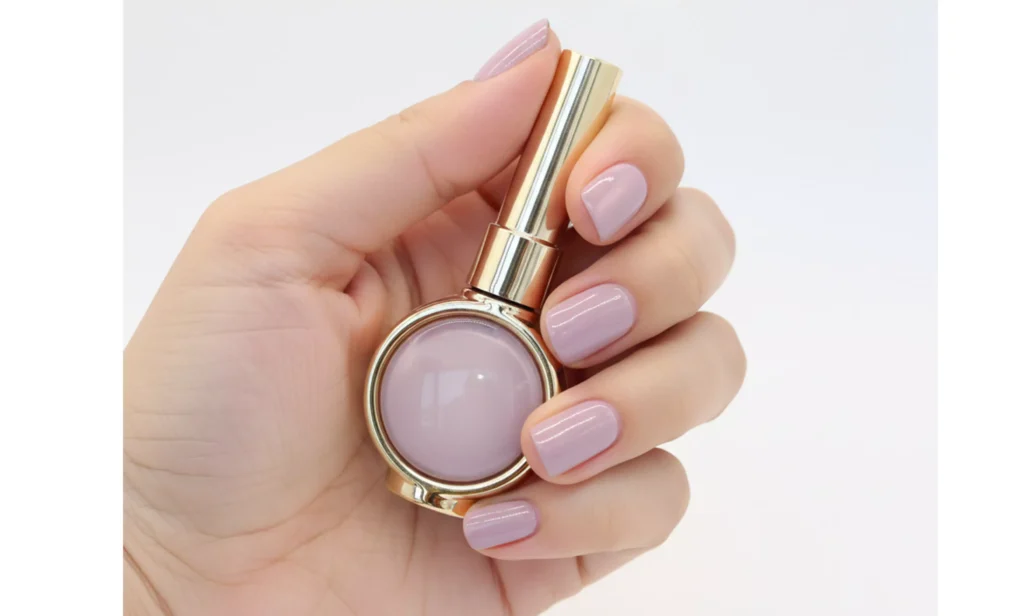
En conclusión: Esmalte en gel sin HEMA Sin duda, es más suave para las uñas. Es especialmente eficaz para quienes tienen piel sensible o se hacen la manicura con frecuencia, ya que reduce el riesgo de alergias y minimiza los daños. Sin embargo, esto solo es cierto si se elige un producto de alta calidad y se usa correctamente.
He aquí mis recomendaciones personalizadas en función de las distintas necesidades:
- Para pieles sensibles / cutículas fácilmente irritables: Ir directamente a “Productos doblemente libres de HEMA y TPO.. Dar prioridad a las marcas con certificación SCCS.
- Para uñas muy dañadas: Elija Geles restauradores sin HEMA que contienen resinas naturales y queratina. Combínalos con un quitaesmalte suave (existen opciones sin acetona) para minimizar la sequedad.
- Para quienes buscan una relación coste-rendimiento (valor) elevada: No te dejes llevar por la moda de los productos "sin HEMA". Si tus uñas están sanas, no tienes sensibilidad y solo te haces la manicura ocasionalmente, puedes usar productos de alta calidad que contengan HEMA. Solo ten en cuenta la frecuencia de uso.
Por último, me encantaría saber de ti: ¿Alguna vez has experimentado alergias o daños en las uñas después de una manicura? ¿Actualmente estás usando...? esmalte en gel sin hema¡Comparte tus experiencias en los comentarios! Haré todo lo posible por responderte y ayudarte a encontrar el producto ideal para tus uñas.
 English
  Spanish
  German
  French
  Italian
  Dutch
Dutch