
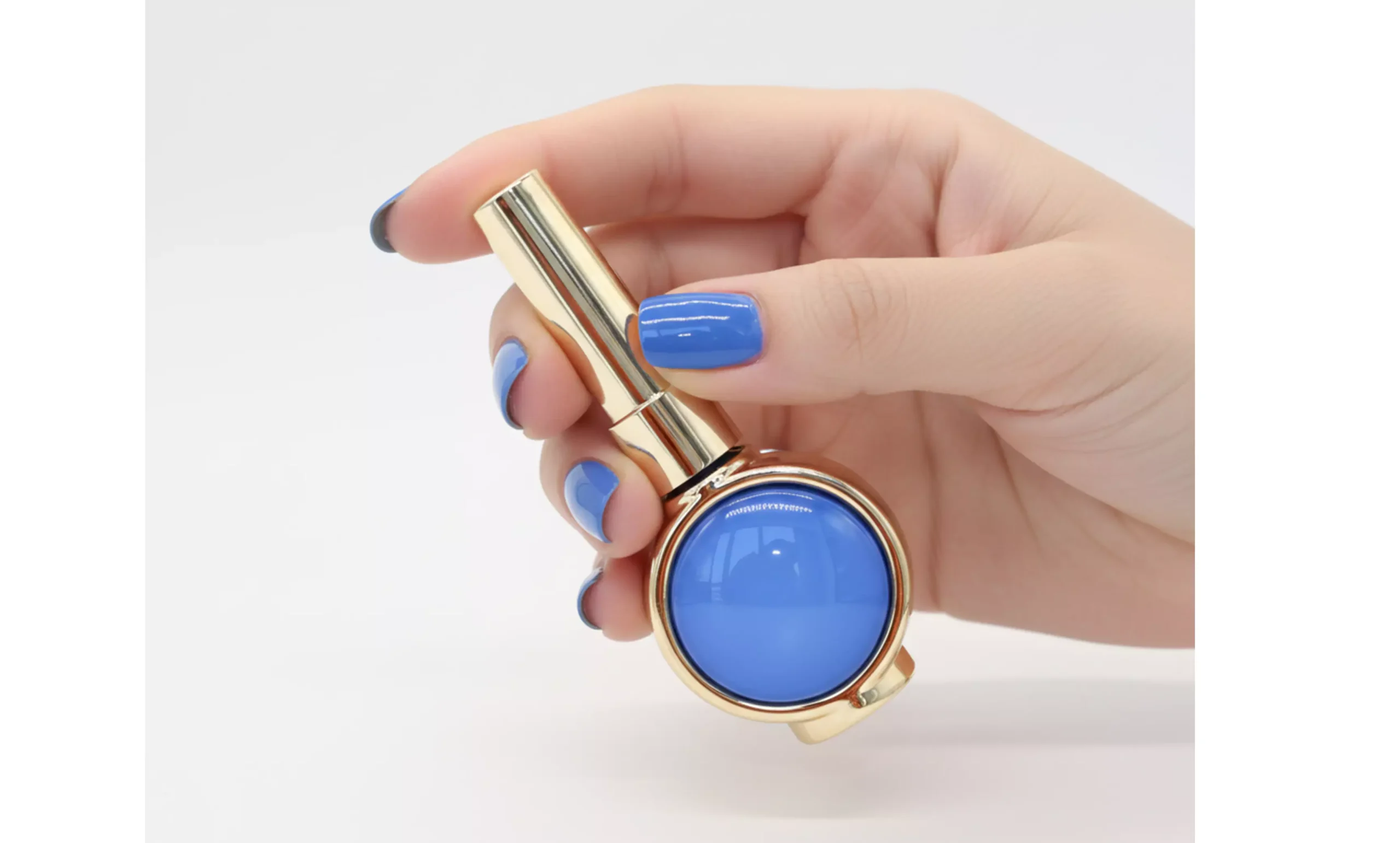
¿Es el esmalte de gel realmente más perjudicial que el esmalte de uñas normal? ¿Pueden las lámparas UV causar cáncer de piel? ¿Cuál es la diferencia entre las fórmulas del esmalte de uñas y del esmalte de gel, y cuál debo elegir? La especialista en materiales para uñas Starry desglosa las fórmulas, los riesgos y los consejos expertos para el cuidado de las uñas que realmente necesitas saber.
Seguro que alguna vez has estado en un salón de manicura, mirando el menú y pensando: “El gel dura más, pero ¿me destroza las uñas? El esmalte normal es más seguro, pero se astilla en tres días...”.” ¿Te suena?
Llevo ocho años trabajando con fórmulas y materias primas de productos para uñas, probando productos de docenas de marcas y hablando tanto con clientas como con técnicos sobre lo que realmente ocurre con sus uñas. He descubierto que la mayor parte de la confusión se debe más a la desinformación que a los productos en sí. Así que permíteme que te explique qué contienen realmente estas fórmulas, cuáles son los riesgos y cómo tomar una decisión que realmente te beneficie.
Esmalte de uñas normal: “Natural” no siempre significa seguro
La ciencia básica
En esencia, el esmalte de uñas es un sistema de evaporación de disolventes. La fórmula suele consistir en 70-80% de disolventes volátiles, alrededor de 15% de nitrocelulosa, con pequeñas cantidades de alcanfor, dióxido de titanio (un agente blanqueador) y pigmentos solubles en aceite. Cuando los disolventes se evaporan, todo lo demás forma una fina película de color sobre la uña.
Sin lámpara ni complicaciones. Una botella transparente y un tapón hermético es todo lo que necesitas para guardarla. Muy sencillo.
Paso siguiente recomendado
Rutina de inicio sin HEMA/TPO
¿Es la primera vez que pruebas CHROMÉCLAIR? Empieza con una rutina sencilla y compatible en lugar de comprar un frasco al azar.
- Elige un color o conjunto libre de HEMA/TPO.
- Combínalo con una base y una capa superior compatibles.
- Utilice el mismo sistema para una primera manicura más suave.
Kit de rutina de inicio de la tiendaComience con UV1 7 piezasComparar todas las rutinas
Ésta es la parte que la gente se pierde
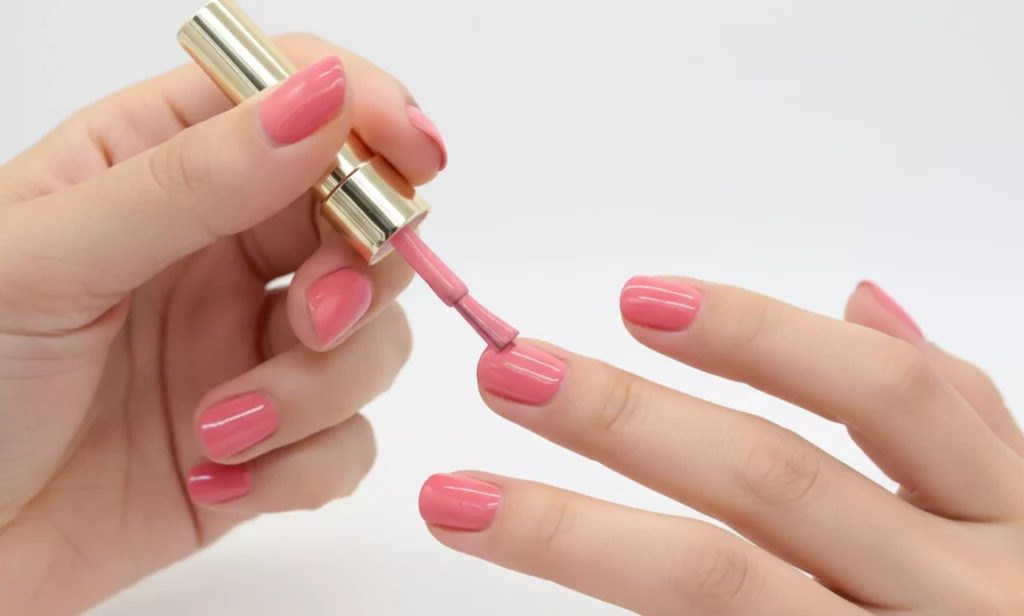
El problema está en los disolventes. Muchos esmaltes convencionales utilizan formaldehído, tolueno y ftalato de dibutilo (DBP) para secarse más rápido y durar más. En el sector los llamamos el “trío tóxico”, y con razón.
Una amiga mía me envió un mensaje de pánico después de hacerse las uñas en casa. El olor era tan intenso que abrir las ventanas apenas ayudaba. Le pedí que me enviara una foto del envase y el tolueno aparecía en la lista de ingredientes. La exposición prolongada a estos compuestos se ha relacionado con reacciones alérgicas, problemas respiratorios y alteraciones endocrinas. No es alarmismo, es toxicología demostrada.
También hay un problema más sutil del que no se habla lo suficiente: los pigmentos del esmalte habitual migran gradualmente a la placa de la uña con el tiempo, provocando ese tono amarillento y apagado que probablemente hayas notado. Por eso la mayoría de los técnicos recomiendan retirarlo cada tres o cuatro días, no sólo por el aspecto, sino por la salud real de las uñas.
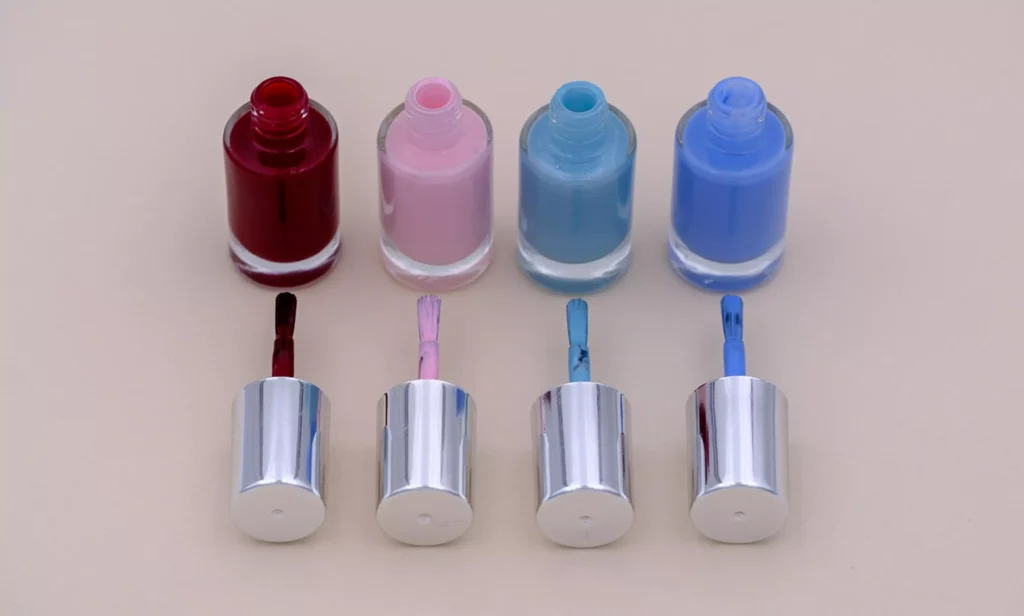
En qué fijarse al comprar:
- Dé prioridad a las etiquetas “3-Libre”, “5-Libre” o “10-Libre”. Cuanto mayor sea el número, más ingredientes nocivos se han omitido.
- Trabaje siempre en un lugar con buena circulación de aire; un cuarto de baño cerrado no es el lugar adecuado.
- Dale a tus uñas un descanso adecuado entre cambios de color. Necesitan un tiempo de recuperación, igual que la piel.
Esmalte en gel: Resultados increíbles, pero sepa lo que compra
Por qué funciona de forma diferente
El esmalte de gel no depende en absoluto de la evaporación. Se endurece mediante fotopolimerización, una reacción química desencadenada por la luz que endurece la fórmula hasta conseguir un acabado brillante y duradero. Por eso necesita una lámpara y es casi inodoro: casi no tiene compuestos volátiles, por lo que no huele.
Los resultados hablan por sí solos. Mejor brillo, mayor durabilidad, mayor adherencia y un tiempo de uso de aproximadamente 21 a 35 días. Y si desea degradados, efectos ojo de gato o cualquier cosa más intrincada que un colección de esmaltes en gel, El gel es prácticamente la única forma de conseguirlo.
El problema de los ingredientes del que nadie habla lo suficiente
Aquí es donde las cosas se complican. La base de resina del esmalte en gel suele ser segura, pero la mayoría de las fórmulas del mercado también contienen TPO (óxido de difenil(2,4,6-trimetilbenzoil)fosfina) y HEMA (metacrilato de hidroxietilo) como fotoiniciadores, y ambos son sensibilizadores bien documentados.
He tenido muchas conversaciones con técnicos de uñas que llevan años en el sector y de repente se encuentran con enrojecimiento, hinchazón o picor persistente en las yemas de los dedos. Nueve de cada diez veces, se trata de sensibilización al HEMA. Los clientes que vienen una vez al mes pueden no notar nada, pero si trabajas con esmalte de gel todos los días, la exposición se acumula rápidamente.
Esta es exactamente la razón por la que empecé a buscar Sin HEMA y Sin TPO hace unos años. La marca a la que siempre vuelvo es Esmalte en gel CHROMÉCLAIRFormulación limpia, amplia gama de colores y curado siempre fiable. Sin HEMA & Sin TPO esmalte en gel ,La eliminación de los ingredientes sensibilizantes en lugar de añadir más sustancias químicas de alto rendimiento parece la dirección correcta para toda la industria, y creo que veremos muchas más marcas que sigan este camino.
Hay que tener en cuenta algunas cosas cuando se utiliza gel:
- Vaya con un Lámpara de uñas UV/LED. Se cura en unos 60-90 segundos, se dirige con precisión a las longitudes de onda correctas y ejerce menos presión sobre la piel circundante que las antiguas lámparas UV.
- Guarda tu esmalte en gel en un frasco opaco y alejado de la luz directa, o empezará a endurecerse incluso antes de que lo abras.
- Si trabajas como técnico de uñas, los guantes durante la aplicación no son opcionales. Acostúmbrate también a revisar regularmente la piel que rodea tus uñas.
“El gel daña más las uñas” - Aclaremos esto
Oigo esto constantemente, y entiendo de dónde viene. El gel necesita una lámpara, necesita acetona para quitarlo, todo el proceso suena más intenso, así que la gente asume que debe ser más duro para la uña.
Pero la mayoría de los daños en las uñas no tienen que ver con el producto. Se debe a la técnica. El limado agresivo, la exfoliación forzada, la precipitación en el proceso de eliminación: eso es lo que estropea las placas de las uñas, no la fórmula.
Los esmaltes normales tampoco son tan suaves como se cree. Los pigmentos se acumulan en la placa de la uña con el tiempo, y el contacto repetido con disolventes en la zona de la cutícula provoca sequedad e irritación. En cambio, la base de resina del esmalte de gel no es tóxica. Si se utiliza y retira correctamente, no es más perjudicial que un esmalte normal.
Así que todo depende de lo que necesites:
| Su situación | Mejor ajuste |
|---|---|
| Te encanta cambiar de color cada pocos días | Esmalte de uñas normal |
| Desea una larga duración y opciones creativas de decoración de uñas | Esmalte en gel |
| Tiene la piel sensible o antecedentes de alergias | Esmalte en gel sin HEMA |
| Está embarazada o en período de lactancia | Consulte primero a su médico |
“Las lámparas de uñas broncean las manos y provocan cáncer de piel” - Esto es lo que dicen realmente las investigaciones
Cada vez que veo esta afirmación circulando por Internet, respiro hondo.
Sí, las lámparas de uñas emiten luz UV o visible. Pero los investigadores han utilizado la Espectro del potencial de carcinogenicidad cutánea (SCP-h) para medir la dosis efectiva de radiación de las lámparas de uñas, y los resultados son bastante claros. La exposición es localizada, de espectro estrecho, y el riesgo de cáncer es mínimo, ni de lejos comparable a la exposición acumulativa al sol.
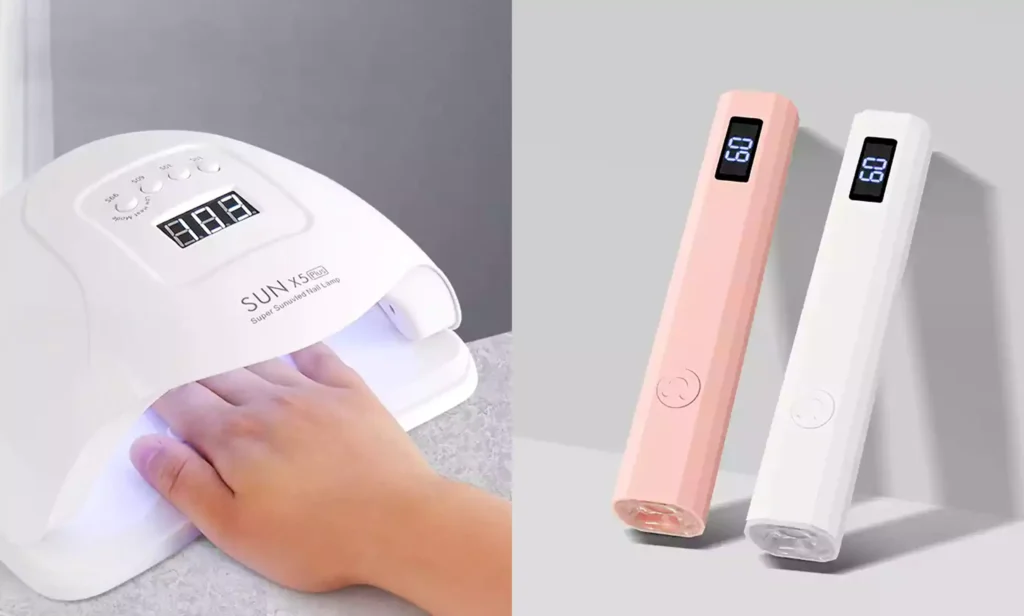
Es más, lámparas de uñas UV/LED no producen UVB en absoluto. Funcionan en un rango de luz visible específico, por lo que el argumento de que “te broncearás las manos” simplemente no se sostiene. Llevo ocho años utilizando lámparas LED profesionalmente y mis manos están bien.
En resumen: utilice una lámpara LED. Más segura, más rápida y más barata en la factura de la luz.
Cuidado de las uñas: Menos complicado de lo que crees
Unas uñas sanas dependen sobre todo de la constancia. Yo diría que son 70% hábitos diarios y 30% elección de productos. Esta es la rutina que he creado a lo largo de los años:
Antes de recortar o dar forma:
- Sumerge las yemas de los dedos en agua tibia durante unos minutos. Añade unas rodajas de limón fresco para ablandar las cutículas y aflojar cualquier acumulación alrededor de los bordes de las uñas.
- A continuación, empuja suavemente hacia atrás las cutículas ablandadas con un empujador de cutículas. Ejerza una ligera presión y no rompa las cutículas.
- Cepillar alrededor de la uña para eliminar la piel suelta, aclarar bien y, a continuación, masajear con una crema de manos mediante pequeños movimientos circulares durante unos dos minutos.
Los hábitos cotidianos que realmente marcan la diferencia:
- Utilice guantes cuando limpie o manipule disolventes. Todo el mundo lo sabe, pero casi nadie lo hace.
- Cuando te apliques crema de manos, aplícala también en las uñas y las cutículas. Un masaje regular mantiene a raya los padrastros.
- Deja de utilizar las uñas como herramientas. Abrir los tiradores de los anillos, despegar pegatinas, martillear las llaves con los dedos: todo esto astilla y debilita las uñas más rápido que cualquier otro producto.
- Si tus uñas se rompen con facilidad, empieza por tu dieta. Biotina (Vitamina H), El hierro, que se encuentra en los huevos, la leche y los frutos secos, contribuye directamente a la dureza de las uñas, y un aporte suficiente de hierro y proteínas también influye notablemente en la calidad del crecimiento.
Una cosa que la industria aún no ha descubierto
Quiero terminar con algo en lo que pienso más que la mayoría de la gente de este espacio: una vez que se eliminan HEMA y TPO, ¿hemos terminado realmente?
No del todo. Siguen haciendo falta fotoiniciadores para que el esmalte en gel se cure, y las alternativas que se utilizan actualmente son más recientes, con datos de seguridad a largo plazo que aún están poniéndose al día. Mi sincera predicción es que las resinas biológicas y los fotoiniciadores de origen vegetal van a definir la próxima generación de esmaltes de gel de alta calidad. Piense en ello como la versión de la industria de las uñas del movimiento de belleza limpia en el cuidado de la piel. Vamos hacia allí, aunque con un poco de retraso.
Es algo que sigo de cerca y que merece la pena observar si te preocupa lo que llevas en las uñas.
Me encantaría saber cuál es tu opinión al respecto: ¿te gusta el esmalte de siempre o te has pasado al gel? ¿Te has enfrentado alguna vez a una reacción de sensibilidad o a manchas persistentes en las uñas? Compártelo en los comentarios y puede que tu experiencia influya en lo que escriba a continuación.
 English
  Spanish
  German
  French
  Italian
  Dutch
Dutch