
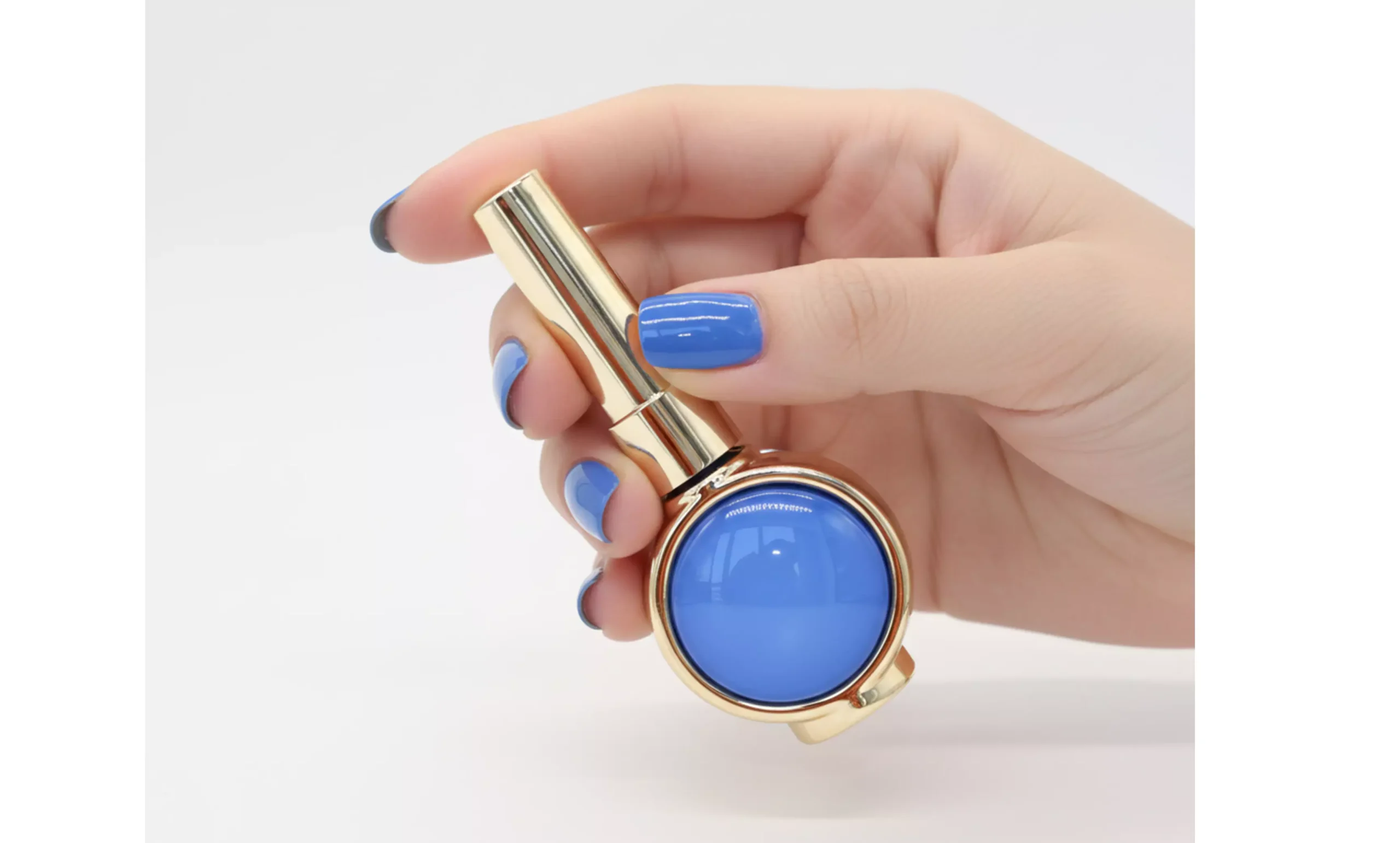
Lo smalto in gel è davvero più dannoso di uno smalto normale? Le lampade UV per unghie possono causare il cancro alla pelle? Qual è la differenza tra le formule di smalto e gel e quale dovrei scegliere? La specialista di materiali per unghie Starry ci spiega le formule, i rischi e i consigli degli esperti per la cura delle unghie che dovete assolutamente conoscere.
Probabilmente vi sarà capitato di entrare in un salone per unghie, di fissare il menu e di pensare: “Il gel dura di più, ma rovina le mie unghie? Lo smalto normale è più sicuro, ma si scheggia in tre giorni...”.” Vi suona familiare?
Ho trascorso otto anni a lavorare con le formule e le materie prime dei prodotti per unghie, testando i prodotti di decine di marchi e parlando sia con le clienti che con le estetiste di ciò che accade effettivamente alle loro unghie. Ho scoperto che la maggior parte della confusione deriva dalla disinformazione piuttosto che dai prodotti stessi. Lasciate quindi che vi spieghi cosa c'è davvero in queste formule, quali sono i rischi e come fare una scelta che funzioni davvero per voi.
Smalto normale: “Naturale” non è sempre sinonimo di sicuro
La scienza di base
Lo smalto per unghie è un sistema di evaporazione di solventi. La formula è costituita in genere da 70-80% di solventi volatili, circa 15% di nitrocellulosa, con piccole quantità di canfora, biossido di titanio (un agente sbiancante) e pigmenti solubili in olio. Quando i solventi evaporano, tutto il resto si trasforma in una sottile pellicola colorata sull'unghia.
Nessuna lampada, nessun problema. Una bottiglia trasparente e un tappo stretto sono tutto ciò che serve per la conservazione. Abbastanza semplice.
Passo successivo consigliato
Routine iniziale senza HEMA/TPO
È la prima volta che provi CHROMÉCLAIR? Inizia con una routine semplice e adatta ai tuoi gusti, invece di acquistare un flacone a caso.
- Scegli un colore o un set privo di HEMA/TPO.
- Abbinalo a una base e a un top coat compatibili.
- Utilizza lo stesso sistema per una prima manicure più liscia.
Kit di routine iniziale per l'acquistoInizia con UV1 7PCSConfronta tutte le routine
Ecco la parte che sfugge alla gente
Il problema sta nei solventi. Molti smalti convenzionali si affidano a formaldeide, toluene e dibutilftalato (DBP) per asciugarsi più velocemente e durare più a lungo. Noi li chiamiamo il “trio tossico” del settore, e per una buona ragione.
Una volta una mia amica mi ha mandato un messaggio in preda al panico dopo essersi fatta le unghie a casa. L'odore era così intenso, mi disse, che aprire le finestre era a malapena utile. Le ho chiesto di inviarmi una foto del flacone e il toluene era proprio lì, nell'elenco degli ingredienti. L'esposizione a lungo termine a questi composti è stata collegata a reazioni allergiche, problemi respiratori e alterazioni del sistema endocrino. Non si tratta di allarmismo, ma di tossicologia consolidata.
C'è anche un problema più sottile di cui non si parla abbastanza: i pigmenti dello smalto normale migrano gradualmente nella lamina ungueale nel corso del tempo, causando l'ingiallimento e l'opacità che probabilmente avete notato. Ecco perché la maggior parte dei tecnici consiglia di rimuoverlo ogni tre o quattro giorni, non solo per il look, ma anche per la salute delle unghie.
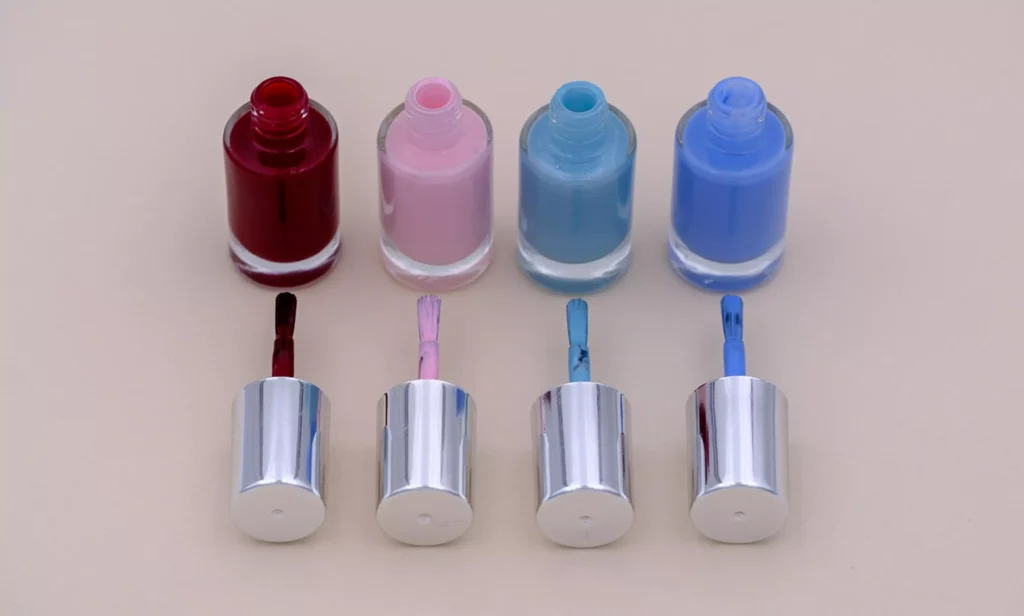
Cosa cercare quando si fa shopping:
- Privilegiate le etichette “3-free”, “5-free” o “10-free”. Più alto è il numero, più ingredienti nocivi sono stati esclusi.
- Lavorate sempre in un luogo con un buon flusso d'aria; un bagno sigillato non è la soluzione ideale.
- Fate una pausa adeguata tra un cambio di colore e l'altro. Hanno bisogno di un tempo di recupero, proprio come la pelle
Smalto gel: Risultati incredibili, ma sappiate cosa state acquistando
Perché funziona in modo diverso
Lo smalto gel non si basa affatto sull'evaporazione. Si indurisce attraverso la fotopolimerizzazione, una reazione chimica innescata dalla luce che indurisce la formula in una finitura resistente e lucida. Ecco perché ha bisogno di una lampada e perché è quasi inodore: non avendo quasi nessun composto volatile, non c'è niente da annusare.
I risultati parlano da soli. Migliore lucentezza, migliore durata, maggiore aderenza e un tempo di posa compreso tra i 21 e i 35 giorni. E se desiderate sfumature sfumate, effetti cat-eye o qualsiasi cosa più complessa di un collezione di smalti semipermanenti, Il gel è praticamente l'unico modo per arrivarci.
Il problema degli ingredienti di cui nessuno parla abbastanza
Qui le cose si complicano. La base di resina dello smalto gel è generalmente sicura, ma la maggior parte delle formule presenti sul mercato contiene anche TPO (difenil(2,4,6-trimetilbenzoil)ossido di fosfina) e HEMA (idrossietil metacrilato) come fotoiniziatori, ed entrambi sono sensibilizzanti ben documentati.
Ho avuto molte conversazioni con onicotecniche che hanno lavorato per anni e che improvvisamente hanno avuto a che fare con arrossamenti, gonfiori o prurito persistente sulla punta delle dita. Nove volte su dieci, si tratta di una sensibilizzazione all'HEMA. Le clienti che vengono una volta al mese potrebbero non notare nulla, ma se si lavora con lo smalto gel ogni giorno, l'esposizione si accumula rapidamente.
Questo è esattamente il motivo per cui ho iniziato a cercare Senza HEMA e Senza TPO formule qualche anno fa. Il marchio a cui continuo a fare riferimento è Smalto gel CHROMÉCLAIR: formulazione pulita, ampia gamma di colori e polimerizzazione sempre affidabile. Senza HEMA & Senza TPO smalto gel ,Eliminare gli ingredienti sensibilizzanti piuttosto che aggiungere altri prodotti chimici ad alte prestazioni è la direzione giusta per l'intero settore e credo che vedremo molti altri marchi muoversi in questa direzione.
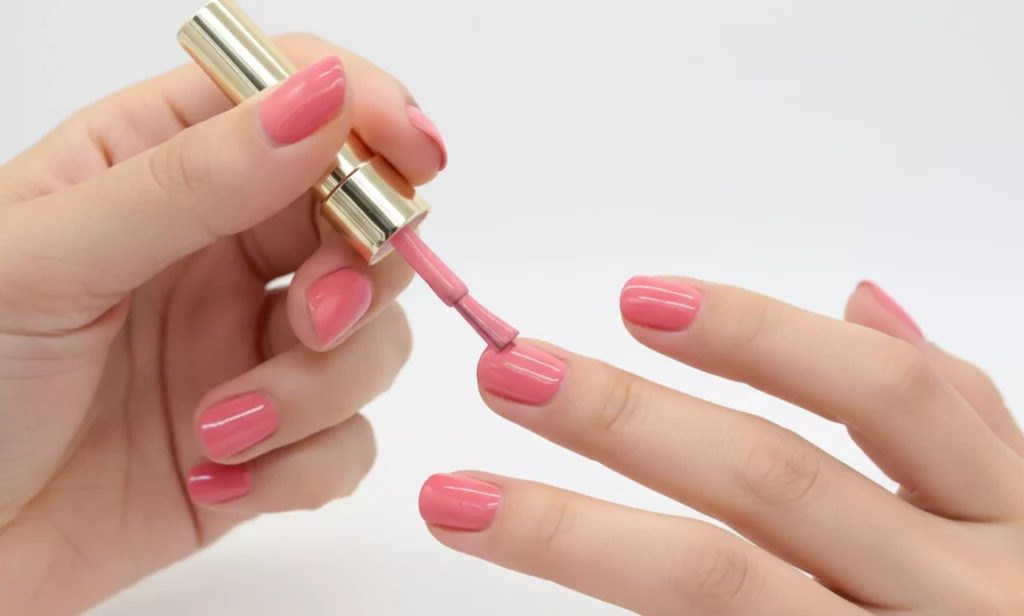
Alcune cose da tenere a mente quando si usa il gel:
- Andare con un Lampada UV/LED per unghie. Si polimerizza in circa 60-90 secondi, agisce con precisione sulle giuste lunghezze d'onda e stressa meno la pelle circostante rispetto alle vecchie lampade UV.
- Conservate lo smalto gel in un flacone opaco lontano dalla luce diretta, altrimenti inizierà a polimerizzare prima ancora di aprirlo.
- Se lavorate come onicotecniche, i guanti durante l'applicazione non sono facoltativi. Prendete l'abitudine di controllare regolarmente anche la pelle intorno alle unghie.
“Il gel danneggia di più le unghie”: chiariamo questo punto
Lo sento ripetere continuamente e capisco da dove viene. Il gel ha bisogno di una lampada, ha bisogno di acetone per essere rimosso, l'intero processo sembra più intenso, quindi la gente pensa che debba essere più duro per l'unghia.
Ma la maggior parte dei danni alle unghie non riguarda il prodotto. È una questione di tecnica. Limatura aggressiva, peeling forzato, rimozione affrettata: è questo che rovina le lamine ungueali, non la formula.
Anche lo smalto normale non è così delicato come si crede. I pigmenti si accumulano nel tempo nella lamina ungueale e il contatto ripetuto con il solvente nella zona delle cuticole provoca secchezza e irritazione. La base di resina del gel, invece, è atossica. Usato e rimosso correttamente, non è più dannoso di uno smalto normale.
Quindi si tratta davvero di scegliere ciò di cui si ha bisogno:
| La vostra situazione | La migliore vestibilità |
|---|---|
| Vi piace cambiare colore ogni giorno | Smalto per unghie normale |
| Desiderate una lunga durata e opzioni creative per la nail art | Smalto gel |
| Avete una pelle sensibile o un'anamnesi di allergie | Smalto gel senza HEMA |
| Siete incinte o state allattando | Consultate prima il vostro medico |
“Le lampade per unghie abbronzano le mani e causano il cancro alla pelle”: ecco cosa dice la ricerca
Ogni volta che vedo circolare online questa affermazione, faccio un respiro profondo.
Sì, le lampade per unghie emettono luce UV o visibile. Ma i ricercatori hanno utilizzato la Spettro del potenziale cancerogeno per la pelle (SCP-h) per misurare la dose effettiva di radiazioni delle lampade per unghie, e i risultati sono piuttosto chiari. L'esposizione è localizzata, a spettro ristretto, e il rischio di cancro è minimo, non paragonabile all'esposizione solare cumulativa.
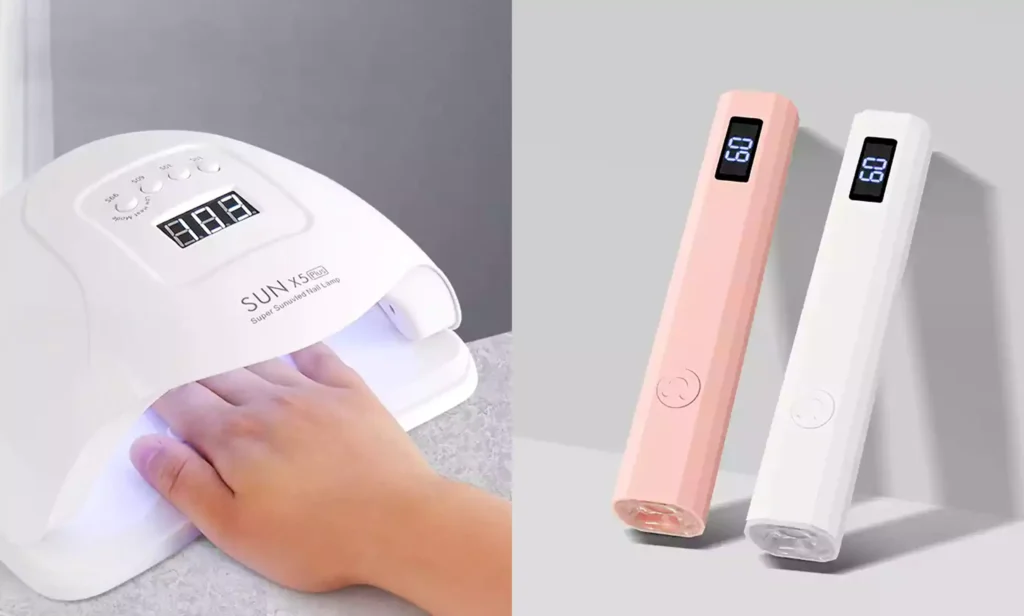
Più precisamente, Lampade per unghie UV/LED non producono affatto UVB. Funzionano in una specifica gamma di luce visibile, quindi l'affermazione “vi abbronzerete le mani” non regge. Uso le lampade LED a livello professionale da otto anni e le mie mani stanno bene.
In conclusione: utilizzate una lampada a LED. È più sicura, più veloce e più conveniente per la bolletta dell'elettricità.
Cura delle unghie: Meno complicato di quanto si pensi
La salute delle unghie dipende soprattutto dalla costanza. Direi che si tratta di 70% abitudini quotidiane e 30% scelte di prodotti. Ecco la routine che ho costruito nel corso degli anni:
Prima di rifilare o modellare:
- Immergete i polpastrelli in acqua calda per qualche minuto. Aggiungete qualche fetta di limone fresco per ammorbidire le cuticole e sciogliere gli accumuli intorno ai bordi delle unghie.
- Asciugare, quindi spingere delicatamente indietro le cuticole ammorbidite con uno spingi-cuticole. Esercitare solo una leggera pressione e non strappare.
- Spazzolare intorno all'unghia per eliminare le pellicine, risciacquare bene e massaggiare la crema per le mani con piccoli movimenti circolari per circa due minuti.
Le abitudini quotidiane che fanno davvero la differenza:
- Indossare i guanti quando si pulisce o si maneggiano i solventi. Tutti lo sanno, ma quasi nessuno lo fa davvero.
- Quando applicate la crema per le mani, lavoratela anche sulle unghie e sulle cuticole. Un massaggio regolare tiene sotto controllo le unghie a scatto
- Smettete di usare le unghie come strumenti. Fare leva sui tiralampo, staccare gli adesivi, martellare le chiavi con la punta delle dita: tutte queste operazioni scheggiano e indeboliscono le unghie più velocemente di quanto possa fare qualsiasi prodotto.
- Se le vostre unghie si spezzano facilmente, cominciate dalla vostra dieta. Biotina (vitamina H), Il ferro, che si trova nelle uova, nel latte e nelle noci, favorisce direttamente la durezza delle unghie e l'assunzione di una quantità sufficiente di ferro e proteine fa una notevole differenza anche nella qualità della crescita.
Una cosa che l'industria non ha ancora capito
Concludo con una riflessione che faccio più spesso della maggior parte degli addetti ai lavori: una volta rimossi HEMA e TPO, abbiamo davvero finito?
Non proprio. Per far polimerizzare lo smalto sono ancora necessari i fotoiniziatori e le alternative attualmente utilizzate sono più recenti e i dati sulla sicurezza a lungo termine sono ancora in fase di aggiornamento. La mia sincera previsione è che le resine a base biologica e i fotoiniziatori di origine vegetale definiranno la prossima generazione di smalti gel di alta qualità. Consideratela come la versione dell'industria delle unghie del movimento della bellezza pulita nella cura della pelle. Ci stiamo arrivando, solo con un po' di ritardo.
È un'iniziativa che tengo sotto controllo e che vale la pena di osservare se vi preoccupate di ciò che mettete sulle vostre unghie.
Mi piacerebbe sapere qual è la vostra posizione in merito: siete amanti dello smalto normale o vi siete convertite al gel? Avete mai avuto a che fare con una reazione di sensibilità o con una macchia ostinata sulle unghie? Condividetelo nei commenti, e la vostra esperienza potrebbe essere la base di ciò che scriverò in seguito.
 English
  Spanish
  German
  French
  Italian
  Dutch
Dutch