
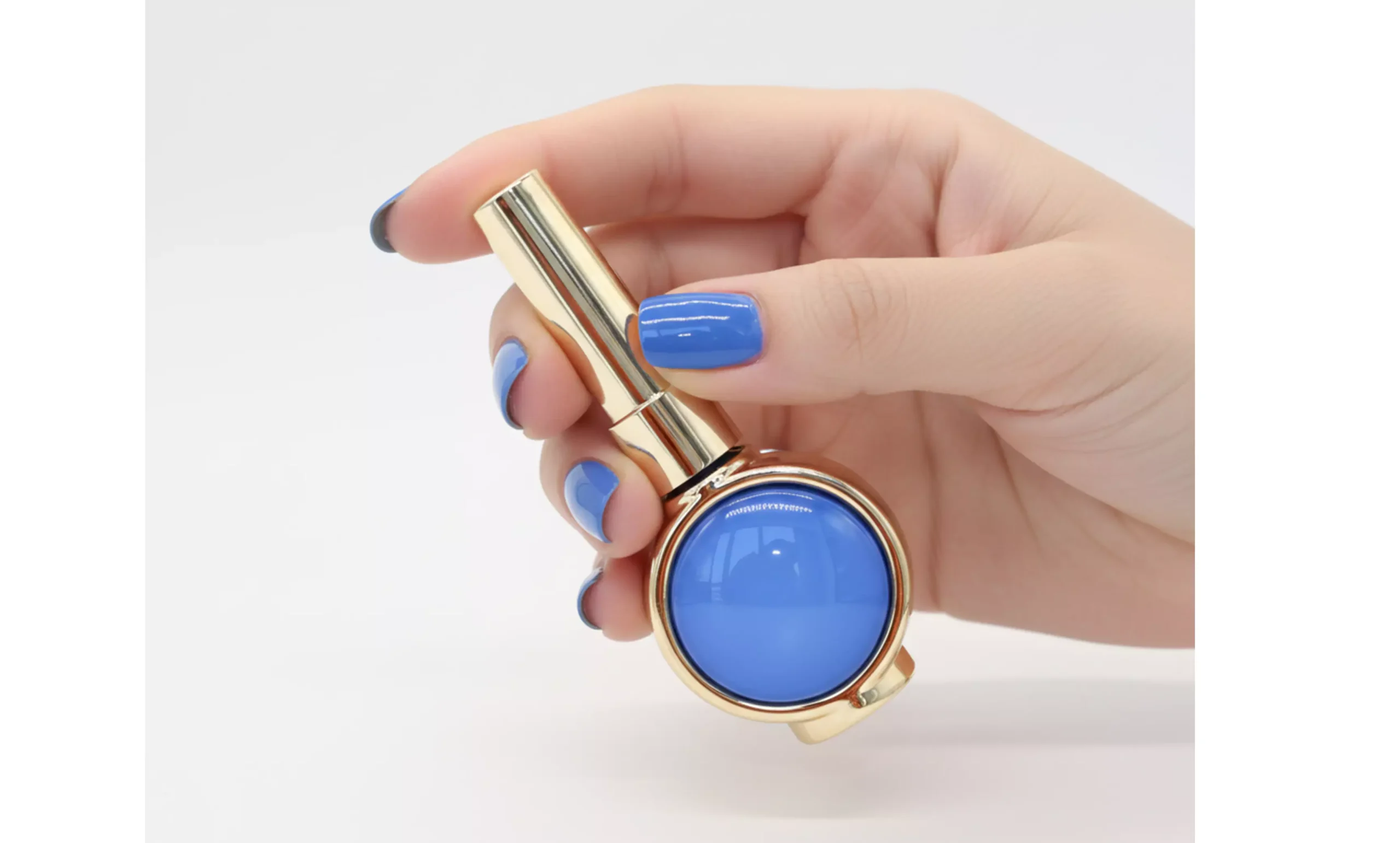
Ist Gellack wirklich schädlicher als normaler Nagellack? Können UV-Nagellampen Hautkrebs verursachen? Was ist der Unterschied zwischen Nagellack- und Gellackformeln, und welche sollte ich wählen? Nagelmaterialspezialist Starry erklärt die Formeln, Risiken und Expertentipps für die Nagelpflege, die Sie wirklich wissen müssen.
Wahrscheinlich haben Sie auch schon einmal in einem Nagelstudio gestanden, auf die Speisekarte gestarrt und gedacht: “Gel hält länger, aber macht es meine Nägel kaputt? Normaler Lack ist sicherer, aber er bricht nach drei Tagen ab...” Kommt Ihnen das bekannt vor?
Ich habe acht Jahre lang mit Nagelproduktformeln und Rohstoffen gearbeitet, Produkte von Dutzenden von Marken getestet und sowohl mit Kunden als auch mit Technikern darüber gesprochen, was eigentlich mit ihren Nägeln los ist. Ich habe festgestellt, dass die meiste Verwirrung eher auf Fehlinformationen als auf die Produkte selbst zurückzuführen ist. Deshalb möchte ich Ihnen erläutern, was wirklich in diesen Formeln enthalten ist, wie die Risiken aussehen und wie Sie eine Auswahl treffen können, die für Sie tatsächlich funktioniert.
Regulärer Nagellack: “Natürlich” bedeutet nicht immer sicher
Die Grundlagen der Wissenschaft
Im Kern ist Nagellack ein Lösungsmittel-Verdampfungssystem. Die Formel besteht in der Regel aus 70-80% flüchtigen Lösungsmitteln, etwa 15% Nitrocellulose, mit geringen Mengen Kampfer, Titandioxid (einem Weißmacher) und öllöslichen Pigmenten. Wenn die Lösungsmittel verdampfen, setzt sich alles andere zu einem dünnen Farbfilm auf dem Nagel zusammen.
Keine Lampe, keine Aufregung. Eine durchsichtige Flasche und ein dichter Verschluss sind alles, was Sie zur Aufbewahrung brauchen. Ganz einfach.
Empfohlener nächster Schritt
HEMA/TPO-freie Starterroutine
Sie probieren CHROMÉCLAIR zum ersten Mal aus? Beginnen Sie mit einer kleinen, aufeinander abgestimmten Pflegeroutine anstatt mit einer beliebigen Flasche.
- Wählen Sie eine HEMA/TPO-freie Farbe oder ein Set.
- Kombinieren Sie es mit einem passenden Unter- und Überlack.
- Verwenden Sie dasselbe System für eine reibungslosere erste Maniküre.
Shop-Starter-Routine-SetBeginnen Sie mit UV1 7PCSVergleiche alle Routinen
Hier ist der Teil, den die Leute übersehen
Das Problem liegt in diesen Lösungsmitteln. Viele herkömmliche Polituren verwenden Formaldehyd, Toluol und Dibutylphthalat (DBP), um schneller zu trocknen und länger zu halten. Wir nennen sie in der Branche das “giftige Trio”, und das aus gutem Grund.
Eine Freundin von mir schrieb mir einmal in Panik eine SMS, nachdem sie sich zu Hause die Nägel gemacht hatte. Der Geruch sei so intensiv gewesen, dass es kaum geholfen habe, die Fenster zu öffnen. Ich bat sie, mir ein Foto der Flasche zu schicken, und in der Liste der Inhaltsstoffe war Toluol zu finden. Langfristige Exposition gegenüber diesen Verbindungen wird mit allergischen Reaktionen, Atembeschwerden und Störungen des Hormonsystems in Verbindung gebracht. Das ist keine Panikmache, sondern anerkannte Toxikologie.
Es gibt auch ein kleineres Problem, über das nicht oft genug gesprochen wird: Die Pigmente in normalem Nagellack wandern mit der Zeit in die Nagelplatte ein und verursachen das Vergilben und die Stumpfheit, die Sie wahrscheinlich bemerkt haben. Deshalb empfehlen die meisten Techniker, den Lack alle drei bis vier Tage zu entfernen - nicht nur wegen des Aussehens, sondern auch für die Gesundheit der Nägel.
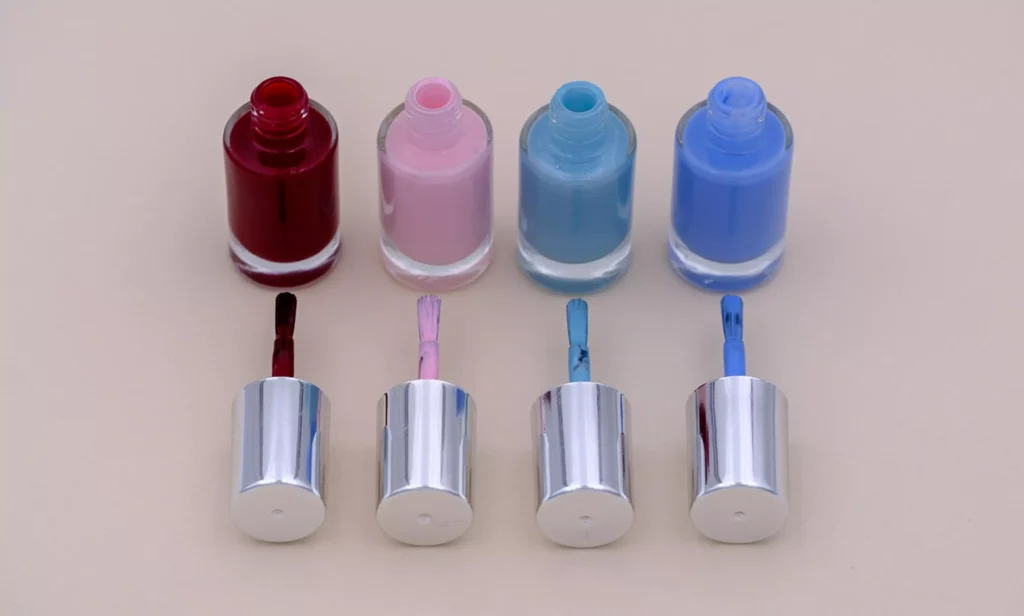
Worauf Sie beim Einkaufen achten sollten:
- Bevorzugen Sie “3-Frei”, “5-Frei” oder “10-Frei” Etiketten. Je höher die Zahl, desto mehr schädliche Inhaltsstoffe wurden weggelassen
- Arbeiten Sie immer an einem Ort mit guter Luftzirkulation; ein geschlossenes Badezimmer ist nicht der richtige Ort.
- Gönnen Sie Ihren Nägeln zwischen den Farbwechseln eine angemessene Pause. Sie brauchen Zeit zur Erholung, genau wie die Haut
Gel-Politur: Unglaubliche Ergebnisse, aber man muss wissen, was man kauft
Warum es anders funktioniert
Gel-Politur beruht überhaupt nicht auf Verdunstung. Er härtet durch Photopolymerisation aus, eine durch Licht ausgelöste chemische Reaktion, die die Formel zu einer dauerhaften, glänzenden Oberfläche härtet. Aus diesem Grund benötigt er eine Lampe und ist nahezu geruchlos: Es gibt fast keine flüchtigen Bestandteile, so dass es nichts zu riechen gibt.
Die Ergebnisse sprechen für sich. Besserer Glanz, höhere Haltbarkeit, stärkere Haftung und eine Tragedauer von etwa 21 bis 35 Tagen. Und wenn Sie Farbverläufe, Katzenaugen-Effekte oder etwas Komplizierteres als einen einfachen Look wünschen. Gel-Nagellack-Kollektion, Gel ist so ziemlich die einzige Möglichkeit, dorthin zu gelangen.
Das Zutatenproblem, über das nicht genug gesprochen wird
Hier werden die Dinge etwas komplizierter. Die Harzbasis in Gelpolitur ist im Allgemeinen sicher, aber die meisten auf dem Markt befindlichen Formeln enthalten auch TPO (Diphenyl(2,4,6-trimethylbenzoyl)phosphinoxid) und HEMA (Hydroxyethylmethacrylat) als Photoinitiatoren, und beide sind gut dokumentierte Sensibilisatoren.
Ich habe so viele Gespräche mit Nageltechnikern geführt, die schon seit Jahren im Geschäft sind und plötzlich mit Rötungen, Schwellungen oder anhaltendem Juckreiz an den Fingerspitzen zu kämpfen haben. In neun von zehn Fällen lässt sich das auf eine HEMA-Sensibilisierung zurückführen. Kunden, die einmal im Monat kommen, bemerken vielleicht nichts, aber wenn man jeden Tag mit Gel-Lack arbeitet, summiert sich diese Belastung schnell.
Das ist genau der Grund, warum ich mich auf die Suche nach HEMA-frei und TPO-frei Formeln vor ein paar Jahren. Die Marke, zu der ich immer wieder zurückkehre, ist CHROMÉCLAIR Gel-PoliturSaubere Formulierung, breites Farbspektrum, und es härtet jedes Mal zuverlässig aus. HEMA-frei & TPO-frei Gel-Politur ,Sensibilisierende Inhaltsstoffe zu entfernen, anstatt einfach mehr leistungssteigernde Chemikalien einzubauen, scheint mir die richtige Richtung für die gesamte Branche zu sein, und ich denke, wir werden sehen, dass viele Marken diesen Weg einschlagen werden.
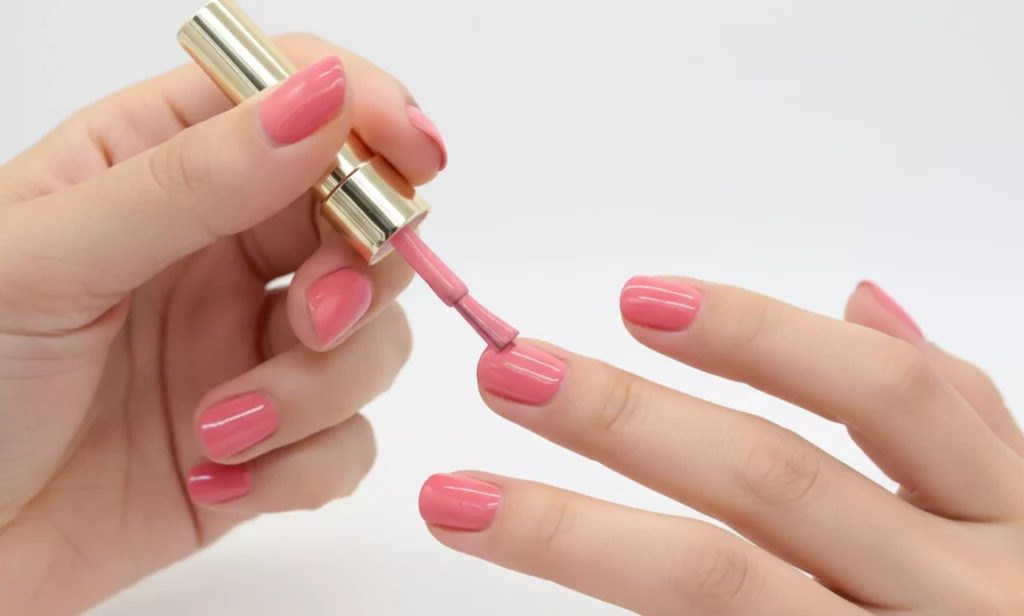
Bei der Verwendung von Gel sind einige Dinge zu beachten:
- Gehen Sie mit einem UV/LED-Nagellampe. Sie härtet in etwa 60-90 Sekunden aus, zielt genau auf die richtigen Wellenlängen und belastet die umliegende Haut weniger als ältere UV-Lampen.
- Bewahren Sie Ihren Gel-Lack in einer lichtundurchlässigen Flasche auf, damit er nicht aushärtet, bevor Sie ihn überhaupt geöffnet haben.
- Wenn Sie als Nageltechniker arbeiten, sind Handschuhe bei der Anwendung keine Option. Machen Sie es sich zur Gewohnheit, auch die Haut um Ihre Nägel herum regelmäßig zu überprüfen
“Gel schädigt Ihre Nägel mehr” - klären wir das auf
Das höre ich ständig, und ich verstehe, woher das kommt. Gel braucht eine Lampe, es braucht Aceton zum Entfernen, der ganze Prozess klingt intensiver, also nehmen die Leute an, dass es härter für den Nagel sein muss.
Aber bei den meisten Nagelschäden geht es nicht um das Produkt. Es geht um die Technik. Aggressives Feilen, gewaltsames Schälen, übereiltes Entfernen: Das macht die Nagelplatten kaputt, nicht die Formel.
Auch normaler Nagellack ist nicht so sanft, wie man annimmt. Die Pigmente reichern sich mit der Zeit in der Nagelplatte an, und der wiederholte Kontakt mit dem Lösungsmittel im Bereich der Nagelhaut führt zu Trockenheit und Reizungen. Die Harzbasis von Gel hingegen ist in ihrem Kern ungiftig. Bei richtiger Anwendung und Entfernung ist es nicht schädlicher als ein normaler Nagellack.
Es kommt also wirklich darauf an, was Sie brauchen:
| Ihre Situation | Beste Passform |
|---|---|
| Du liebst es, alle paar Tage die Farbe zu wechseln | Normaler Nagellack |
| Sie wünschen sich lange Haltbarkeit und kreative Nailart-Optionen | Gel-Nagellack |
| Sie haben empfindliche Haut oder eine Vorgeschichte von Allergien | HEMA-freier Gel-Politur |
| Sie sind schwanger oder stillen | Fragen Sie zuerst Ihren Arzt |
“Nagellampen bräunen die Hände und verursachen Hautkrebs” - Das sagt die Forschung tatsächlich
Jedes Mal, wenn ich sehe, dass diese Behauptung im Internet kursiert, atme ich tief durch.
Ja, Nagellampen geben UV-Licht oder sichtbares Licht ab. Aber die Forscher haben die Spektrum des Hautkarzinogenitätspotenzials (SCP-h) um die effektive Strahlendosis von Nagellampen zu messen, und die Ergebnisse sind ziemlich eindeutig. Die Exposition ist lokal begrenzt, hat ein enges Spektrum und das Krebsrisiko ist minimal und entspricht bei weitem nicht der kumulativen Sonnenexposition.
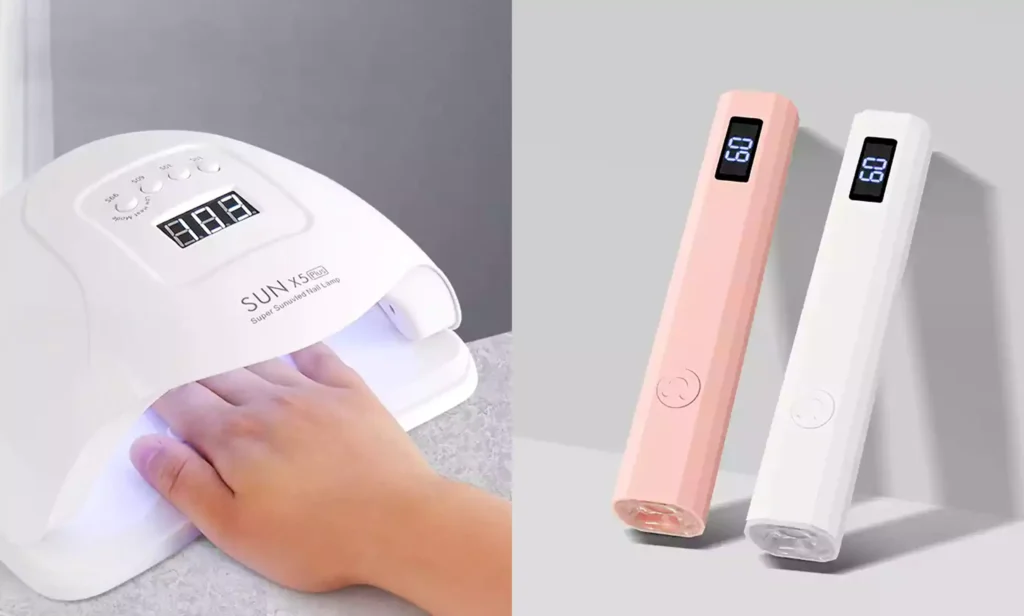
Mehr zur Sache, UV/LED-Nagellampen erzeugen überhaupt kein UVB. Sie arbeiten in einem bestimmten sichtbaren Lichtbereich, so dass die Befürchtung, man würde sich die Hände bräunen, einfach nicht zutrifft. Ich benutze LED-Lampen seit acht Jahren beruflich, und meine Hände sind in Ordnung.
Fazit: Verwenden Sie eine LED-Lampe. Sie sind sicherer, schneller und schonen Ihre Stromrechnung.
Nagelpflege: Weniger kompliziert, als Sie denken
Gesunde Nägel sind vor allem eine Frage der Beständigkeit. Ich würde sagen, es sind 70% tägliche Gewohnheiten und 30% die Wahl der Produkte. Hier ist die Routine, die ich mir über die Jahre angeeignet habe:
Vor dem Beschneiden oder der Formgebung:
- Weichen Sie Ihre Fingerspitzen ein paar Minuten lang in warmem Wasser ein. Geben Sie ein paar frische Zitronenscheiben hinein, um die Nagelhaut aufzuweichen und Ablagerungen an den Nagelrändern zu lösen.
- Tupfen Sie die Haare trocken und schieben Sie dann die aufgeweichte Nagelhaut mit einem Nagelhautschieber vorsichtig zurück. Nur mit leichtem Druck, und bitte nicht reißen
- Bürsten Sie um den Nagel herum, um lose Haut zu entfernen, spülen Sie ihn gut ab und massieren Sie dann eine Handcreme mit kleinen, kreisenden Bewegungen für etwa zwei Minuten ein.
Die alltäglichen Gewohnheiten, die tatsächlich etwas bewirken:
- Tragen Sie bei der Reinigung oder beim Umgang mit Lösungsmitteln Handschuhe. Jeder weiß das, aber fast niemand tut es wirklich
- Wenn Sie Ihre Hände eincremen, sollten Sie sie auch in die Nägel und die Nagelhaut einarbeiten. Regelmäßige Massage dort hält Hängenägel in Schach
- Hören Sie auf, Ihre Nägel als Werkzeuge zu benutzen. Das Aufbrechen von Klingelschildern, das Abziehen von Aufklebern, das Hämmern auf Schlüssel mit den Fingerspitzen - all das lässt die Nägel schneller splittern und schwächen, als es irgendein Produkt je könnte
- Wenn Ihre Nägel leicht brechen, sollten Sie mit Ihrer Ernährung beginnen. Biotin (Vitamin H), das in Eiern, Milch und Nüssen enthalten ist, unterstützt direkt die Nagelhärte, und eine ausreichende Eisen- und Eiweißzufuhr wirkt sich auch spürbar auf die Wachstumsqualität aus.
Eine Sache, die die Industrie noch nicht verstanden hat
Ich möchte mit einer Frage schließen, über die ich mehr nachdenke als die meisten anderen in diesem Bereich: Sind wir wirklich fertig, wenn wir HEMA und TPO abschaffen?
Nicht ganz. Für die Aushärtung von Gelpoliermitteln werden nach wie vor Fotoinitiatoren benötigt, und die derzeit verwendeten Alternativen sind neueren Datums, wobei die Langzeitsicherheitsdaten noch ausstehen. Meine ehrliche Vorhersage ist, dass biobasierte Harze und aus Pflanzen gewonnene Fotoinitiatoren die nächste Generation von Premium-Gellacken bestimmen werden. Betrachten Sie es als die Version der Nagelbranche von der Clean Beauty Bewegung in der Hautpflege. Wir sind auf dem Weg dorthin, nur ein wenig hinter dem Zeitplan.
Das ist etwas, das ich sehr genau im Auge behalte, und es lohnt sich, darauf zu achten, wenn Ihnen wichtig ist, was auf Ihre Nägel kommt.
Ich würde wirklich gerne wissen, wie Sie zu diesem Thema stehen: Sind Sie ein normaler Nagellack-Typ oder ein Gel-Konvertit? Hatten Sie schon einmal mit einer Überempfindlichkeitsreaktion oder hartnäckigen Nagelflecken zu kämpfen? Teilen Sie mir Ihre Erfahrungen in den Kommentaren mit, und vielleicht wird das, worüber ich als Nächstes schreibe, von Ihren Erfahrungen beeinflusst.
 English
  Spanish
  German
  French
  Italian
  Dutch
Dutch