

Hallo zusammen, ich bin Starry. Seit acht Jahren arbeite ich in der Forschung und Entwicklung von Nagelprodukten und unterrichte dort. Täglich werde ich gefragt: “Schadet eine Maniküre den Nägeln wirklich?” Heute lassen wir die Floskeln beiseite. Ich möchte mich mit euch, wie mit einer alten Freundin, zusammensetzen und den Kern der Sache beleuchten. Nach diesem Artikel werdet ihr genau verstehen: Wer ist wirklich für Nagelschäden verantwortlich? Wie könnt ihr durch die richtige Produktauswahl und Anwendungstechnik “schöne Nägel ohne Schäden” erzielen? Das sind keine bloßen Erfahrungsberichte, sondern eine gesunde Nagelpflegephilosophie, die ich in unzähligen Fällen und Experimenten bestätigt habe.
I. Vor dem Auftragen des Nagellacks: 70% von Erfolg oder Misserfolg steht bereits fest
Ich sage meinen Schülerinnen immer, dass unsere Hände nicht nur Schönheit erschaffen, sondern wie Ärzte auch dem Prinzip “Nicht schaden” folgen sollten. Jede dauerhafte Schönheit muss auf Gesundheit basieren. Und die Grundlage dafür wird schon gelegt, bevor man das Nagelstudio betritt oder die Produktverpackung öffnet.
1. Produktauswahl: Verstehen der Inhaltsstoffe
Als ich in der Branche anfing, wuchs der Markt rasant, und die Produktqualität variierte stark. Ich erinnere mich, dass ich einmal ein Produkt testen musste. Grundierung Das Produkt wurde als “extrem langanhaltend” angepriesen, also habe ich es selbst ausprobiert, und schon nach wenigen Tagen zeigten meine Nägel deutliche weiße Flecken und splitterten an den Rändern ab. Diese Erfahrung hat mich zu einem echten “Inhaltsstoff-Fan” gemacht.”
Inhaltsstoffe, vor denen Sie sich in Acht nehmen müssen:
- Hochgradig reizende Monomere:
Beispielsweise HEMA (Hydroxyethylmethacrylat). Es ist ein gängiger Klebstoff, doch hohe Konzentrationen zählen zu den Hauptursachen allergischer Reaktionen. Bei empfindlichen Personen kann der Kontakt die Wahrscheinlichkeit von Rötungen, Schwellungen und Juckreiz im Nagelbereich deutlich erhöhen.
Empfohlener nächster Schritt
Use a Compatible UV/LED Curing Setup
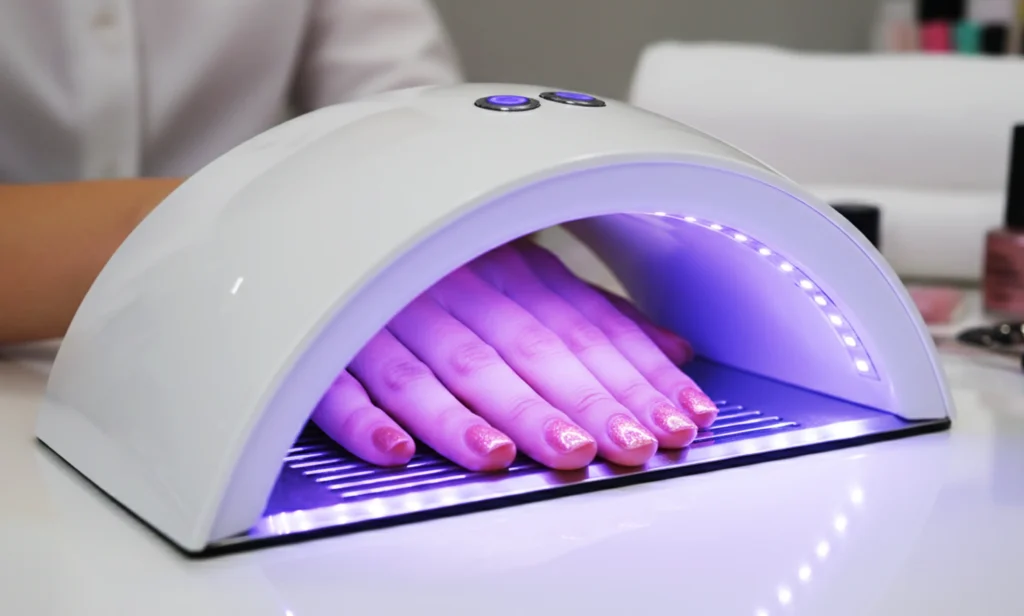
CHROMÉCLAIR gel polish and gel nail stickers require a compatible UV/LED nail lamp. Build the curing step into the complete routine instead of treating it as optional.
- Apply the compatible gel product in a controlled layer.
- Cure it under a UV/LED nail lamp according to the product label.
- Check the surface before continuing with the next coat or top coat.
Shop UV/LED nail lampSee handheld UV lampVergleiche alle Routinen
- Minderwertige Fotoinitiatorsysteme:
Beispielsweise bestimmte instabile TPO-Derivate. Diese können während des Aushärtens übermäßige Hitze erzeugen, was ein starkes Brennen verursacht und langfristig die Gesundheit der Nagelbettzellen beeinträchtigt.
Meine praktischen Auswahlkriterien:
Achten Sie auf die Kennzeichnung “reizarm” oder “für empfindliche Haut geeignet”: Das ist keine bloße Marketingfloskel. Verantwortungsbewusste Markenhersteller passen in der Regel ihr gesamtes Harz- und Monomersystem an, um diesen Standard zu erfüllen und so Hautreizungen zu reduzieren. Beispielsweise die neue Formel von … CHROMÉCLAIR Eine Marke, die ich seit langem verfolge und empfehle, erfüllt ihr “doppelt-kostenlos”-Versprechen – HEMA-frei und TPO-frei. Dabei geht es nicht nur um das Entfernen von Inhaltsstoffen, sondern um eine Neugestaltung des Konzepts einer gesunden Maniküre, die Farbe und Glanz in Salonqualität bietet und gleichzeitig das Risiko einer Sensibilisierung minimiert.

Hinweis: Der Kauf von TPO-freiem Gelpolitur ist eine kluge Entscheidung.
Sensorisches Erstscreening: Wenn das Gel einen stechenden Geruch hat oder nach dem Öffnen die Augen reizt, oder wenn die Textur dünn und wässrig ist, sollten Sie vorsichtig sein. Dies bedeutet oft, dass es eine große Menge aktiver Verdünnungsmittel enthält, die nicht nur stark reizend sind, sondern auch eine höhere Aushärtungsschrumpfung aufweisen können, was zu einem Abheben und nachfolgenden Schäden führt.
2. Vorbehandlung: Ihre Nägel sind keine “Holzbretter, die abgeschliffen werden müssen”.”
Am meisten schmerzt mich der Anblick, wenn Nageldesignerinnen mit elektrischen Nagelfräsern die Naturnägel ihrer Kundinnen aggressiv ausdünnen, als würden sie ein Stück Holz polieren. Dadurch wird die natürliche Schutzschicht des Nagels direkt entfernt.
Wesentliche Verfahren, die eingehalten werden müssen:
- Feilen, nur um die Haftung zu erhöhen:
Verwenden Sie nur Schleifpapier der Körnung 180/240, sanft und in einer Richtung, um nur die ölige, glänzende Schicht von der Nageloberfläche zu entfernen. Danach sollte die Nageloberfläche ein gleichmäßiges, mattes Finish haben, aber ihre Dicke muss unverändert bleiben.
- Der Schutz von UV-Lampen ist eine Verantwortung für die Zukunft:
UVA-Strahlen sind durchdringend, und eine langfristige kumulative Exposition beschleunigt die Lichtalterung der Haut an den Händen.
- In meinem Studio ist das Standardverfahren:
Vor der Anwendung der UV-Lampe tragen wir Sonnenschutzmittel mit Lichtschutzfaktor 50+ oder eine dicke Schicht Vaseline auf die Nagelhaut des Kunden auf und stellen professionelle, schwarze, UV-schützende Fingerhandschuhe zur Verfügung. Unterschätzen Sie diesen Schritt nicht; er schützt den Hautzustand des Kunden auch in zehn Jahren noch.
II. Anwendung und Heilung: Details sind der Teufel, aber auch der Schutzengel
Sobald die richtigen Produkte ausgewählt und die Basis geschaffen ist, beginnt die eigentliche Bewährungsprobe. Die meisten versteckten Nagelschäden entstehen durch Details, die in dieser Phase übersehen werden.
1. Anwendungstechnik: “Dünn” ist die einzige Wahrheit
“Mehr auftragen für bessere Haftung” – das ist der schädlichste Irrglaube, den ich je gehört habe. Zu dicke Gelschichten führen zu unvollständiger Aushärtung im Inneren und damit zu enormen Schrumpfungsspannungen. Das Gel löst sich dadurch nicht nur leichter ab (und beschädigt den Nagel beim Abziehen), sondern die nicht ausgehärteten Monomere reizen die Nageloberfläche auch ständig.
Meine “Dreischichtige Dünnschicht-Auftragsregel”:
– Grundierung: So dünn auftragen, dass es fast transparent ist und nur einen gleichmäßigen, dünnen Film bildet.
– Farbgel: Wischen Sie nach der Entnahme des Gels eine Seite des Pinsels an der Flaschenöffnung ab und drücken Sie das Gel dann vorsichtig von der Mitte zur Vorderseite des Nagels. Für gesättigte Farben sind zwei Schichten erforderlich, und jede Schicht muss gründlich ausgehärtet werden.
- Deckschicht: Tragen Sie ihn ebenfalls dünn auf und achten Sie darauf, dass er den Nagelrand vollständig bedeckt, um ihn zu versiegeln.
Wie ist die Dicke zu beurteilen?
Betrachten Sie den Nagel nach dem Auftragen des Gels von der Seite. Die Nageloberfläche sollte eine natürliche, glatte Rundung aufweisen, und es sollten keine sichtbaren Gelablagerungen vorhanden sein.
2. Aushärtung: Es ist nicht so einfach wie das Drücken eines Schalters.
Eine unpassende Aushärtungszeit und Lampenleistung sind die Ursache für Schmerzen durch die Aushärtungshitze und eine unzureichende Tiefenaushärtung.
Was Sie wissen müssen:
- Die Lampe muss zum Gel passen:
Verwenden Sie immer die entsprechende LED- oder UV-Lampe mit der von der Gelmarke empfohlenen Leistung. In der Regel benötigen LED-Lampen 30-60 Sekunden und UV-Lampen 120 Sekunden oder mehr.
• Notfallbehandlung bei “Fingerspitzenstechen”:
Wenn der Kunde ein Brennen verspürt, liegt dies neben Produktmängeln höchstwahrscheinlich daran, dass das Gel zu dickflüssig ist oder die Lampenröhren alt sind.
- Meine Methode ist:
Nehmen Sie die Hand sofort heraus, warten Sie 2 bis 3 Sekunden und legen Sie sie dann wieder hinein, wiederholen Sie dies zwei- oder dreimal. So wird die Hitze effektiv abgeleitet und Verbrennungen werden vermieden.
- Ein kleines Experiment zur Demonstration:
Ich habe einmal ein Leistungsmessgerät verwendet, um die Aushärtung verschiedener Gelschichtdicken zu testen. Die Ergebnisse zeigten, dass eine Erhöhung der Schichtdicke um 1 Millimeter die für die vollständige Aushärtung erforderliche Zeit verdoppeln konnte und die Härte in der Mitte des Gels deutlich unzureichend war. Dies ist die Hauptursache für künftige Rissbildung und Abhebung.
III. Entfernung: Der gefährlichste Schritt der “Bombenentschärfung”.
Ich wage zu behaupten, dass mehr als die Hälfte aller Nagelschäden auf unsachgemäßes Entfernen von Gel-Nagellack zurückzuführen sind. Gewaltsames Abreißen, Hebeln mit Metallwerkzeugen, langes Einweichen in hochkonzentriertem Aceton … jedes Mal nimmt die “Nageltragödie” ihren Lauf.
Die “Goldenen Vier Schritte” für eine sichere Entfernung:
- Polieren der Deckschicht:
Verwenden Sie eine Feile mit einer Körnung von 180 oder mehr und polieren Sie nur den glänzenden Decklack vorsichtig ab und hören Sie auf, sobald die darunter liegende Farbe sichtbar wird. Das Ziel ist es, die Versiegelung aufzubrechen, nicht den Naturnagel zu polieren.
- Einwickeln und Erweichen:
Tränken Sie ein Wattepad mit einer ausreichenden Menge an professionellem Gellackentferner, umwickeln Sie den Nagel fest und sichern Sie ihn dann mit Aluminiumfolie. Warten Sie 10-15 Minuten.

- Sanfte Beseitigung:
Nach Ablauf der Einwirkzeit das geschwollene und weiß gewordene Gel vorsichtig mit einem Nagelhautschieber aus Holz oder Silikon entfernen, ähnlich wie Staub wegfegen. Falls es sich nicht leicht löst, den Nagel erneut mit Nagelfolie umwickeln; dabei nicht mit Gewalt vorgehen!

- Reinigung und Neutralisierung:
Nach der Reinigung der Nageloberfläche mit Alkohol sofort Nagelhautöl auftragen, um die verlorenen Lipide wieder aufzufüllen.
• “Eine blutige Lektion”:
Ich hatte einmal eine Kundin, die sich selbst den Gel-Nagellack abgerissen hat, was zu einer starken Ablösung des Nagelbetts und Blutungen führte. Die Heilung dauerte drei Monate, und der nachgewachsene Nagel blieb uneben. Denken Sie daran: Viele Nagelverletzungen sind irreversibel.
IV. Nach dem Entfernen des Gel-Nagellacks: Gönnen Sie Ihren Nägeln eine Pause und lassen Sie sie atmen.
Nägel sind lebendes Gewebe und brauchen Ruhe und Erholung. Ständige Gel-Maniküren sind wie nicht nachhaltige landwirtschaftliche Praktiken, die den Boden auslaugen und letztlich zu geschwächten Nägeln führen.
Checkliste für die Grundversorgung während der Erholungsphase:
- Obligatorische Pause: Gönnen Sie Ihren Nägeln nach 1-2 vollständigen Gelmaniküre-Zyklen mindestens 2-3 Wochen Zeit für nackte Nägel.
- Tiefenwirksame Ernährung: Tragen Sie morgens und abends ein Nagelhautöl auf, das reich an Vitamin E, Süßmandelöl oder Panthenol ist, und massieren Sie es ein, bis es eingezogen ist.
- Interne Supplementierung: Erhöhen Sie die Zufuhr von Eiweiß, Biotin (Vitamin B7) und Eisen, die die Bausteine für ein starkes Nagelwachstum sind.
- Beobachten Sie und seien Sie aufmerksam: Wenn Ihre Nägel dauerhaft vergilbt, brüchig, rissig oder gerötet sind, sollten Sie alle Produkte sofort absetzen und einen Dermatologen aufsuchen.。
V. Zukunftsaussichten: Können wir Schönheit ohne Belastungen erreichen?
Können wir uns ein Material vorstellen, das den ultimativen Glanz und die Haltbarkeit von Gellack vereint und sich dennoch so leicht und unbedenklich entfernen lässt wie normaler Nagellack? Das ist kein Hirngespinst. Die Iteration der Peel-off-Basislacktechnologie und der Aufstieg von Hochleistungsnagellacken auf Wasserbasis gehen in diese Richtung.
Meine kühne Hypothese:
Die Nagelpflege der Zukunft könnte “modular” und “intelligent” werden. Beispielsweise könnten durch präzisere spektrale Aushärtungstechnologie verschiedene Funktionsschichten (Haftung, Farbe, Verstärkung) Schicht für Schicht perfekt ausgehärtet werden, wodurch Aushärtungsstress vollständig vermieden wird. Oder es könnte ein biologisch abbaubares, biomimetisches Polymer entwickelt werden, das sich nach dem Schutz des Nagels auf natürliche Weise abbaut, während dieser wächst.
Schließlich bin ich als Fachmann in der Branche fest davon überzeugt:
Die Voraussetzung für Schönheit ist Gesundheit, und der Kern von Professionalität sind Respekt und Verantwortung. Wir halten unsere Kundinnen und Kunden nicht nur an der Hand, sondern auch ihr Vertrauen in die Schönheit.
Ich hoffe, diese “Nagelpflege-Anleitung”, die meine achtjährige Erfahrung, meine Erkenntnisse und Reflexionen vereint, kann Ihnen den Weg weisen und Ihnen helfen, die Fehler zu vermeiden, die ich selbst erlebt habe. Ihre Nägel verdienen die sanfteste Pflege.
Welche Probleme sind Ihnen bei der Nagelpflege am häufigsten begegnet? Oder haben Sie vielleicht sogar besondere Pflegetipps? Teilen Sie sie gerne unten mit mir, damit wir gemeinsam für sicherere und länger anhaltende Schönheit sorgen können.
 English
  Spanish
  German
  French
  Italian
  Dutch
Dutch