
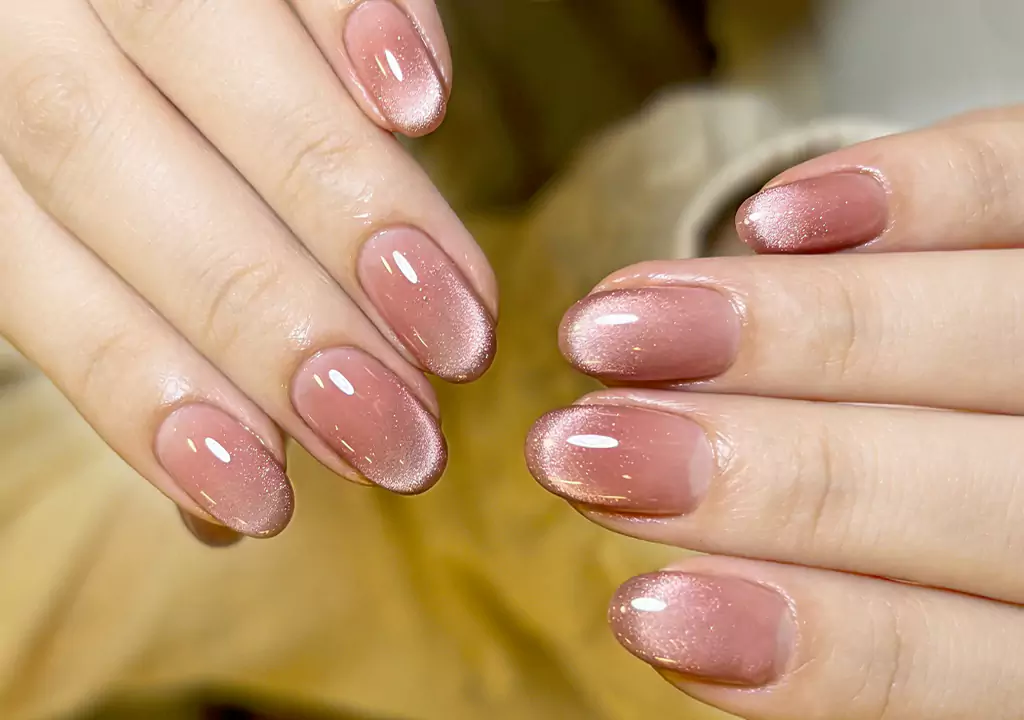
Als leidenschaftliche Nagelliebhaberin, die lange, schöne Nägel liebt, die fast einen Monat lang ohne Probleme halten, ist die Pflege gesunder Nägel für mich oberstes Gebot. Hochwertige Gelprodukte sind das Geheimnis schöner und haltbarer Maniküren. Doch die vielen Fortschritte in der Nagelpflege haben die Auswahl an Maniküre-Arten so stark verändert, dass es für viele Nagelfans schwierig sein kann, die richtige Wahl zu treffen. Viele verlassen sich daher auf Nageldesigner bei der Wahl der passenden Nagelverstärkung; dabei würde grundlegendes Wissen über Nägel den Prozess deutlich vereinfachen.
In der heutigen Diskussion beschäftigen wir uns mit zwei gängigen Materialien für Gel-Maniküren: Hartgel und Aufbaugel. Viele verwechseln diese beiden Gelprodukte, da sie fast identische Aushärtungsprozesse und Anwendungsgebiete haben. In diesem ausführlichen Überblick erklären wir die Bedeutung beider Gele, ihre wichtigsten Unterschiede, Anwendungsgebiete und warum Aufbaugel in der Maniküre so beliebt geworden ist.
Was ist Hartgel?
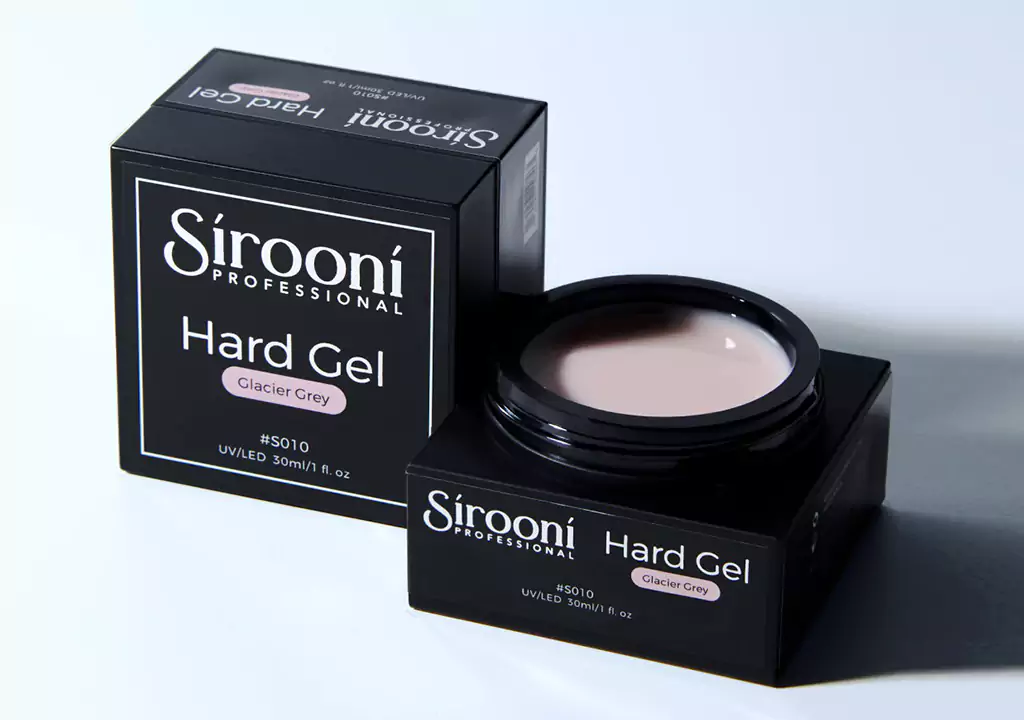
Hartgel Es handelt sich um ein oligomeres Material ohne Poren. Das Material wird üblicherweise in geschlossenen Behältern aufbewahrt und benötigt eine LED-Lampe, um auf Naturnägeln eine schützende Hartgelschicht zu bilden. Seine wichtigste Eigenschaft ist seine Acetonbeständigkeit. Im Gegensatz zu entfernbarem Weichgel, das mit Nagellackentferner entfernt werden kann, muss Hartgel von Fachleuten mit Spezialinstrumenten poliert werden, was seine extreme Haltbarkeit gewährleistet.
Hartgel ist sehr zähflüssig und erreicht nach dem Trocknen eine gute Härte, wodurch eine stabile Basis für Nagelverlängerungen entsteht. Es wird hauptsächlich zur Förderung des Nagelwachstums und zur Nagelverstärkung eingesetzt und eignet sich gut für … Gelnagellack und Nagelkunst. Hartgel ist üblicherweise in Grundfarben wie klar, hautfarben oder rosa erhältlich, gelegentlich werden glänzende Oberflächen für einen besonderen Effekt hinzugefügt.
Was ist Aufbaugel?
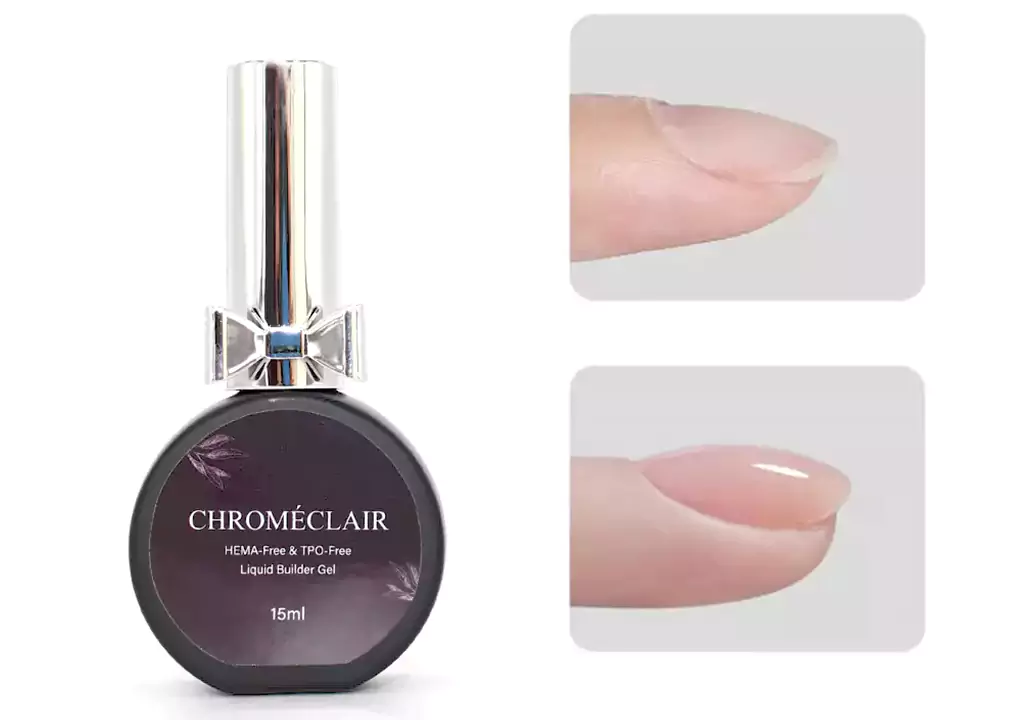
Bauarbeiter gel ist ein flexibles UV-Gel zur Nagelverstärkung und gehört zur Kategorie der Oligomere. Je nach Härtegrad (weich, halbhart oder hart) wird das Aufbaugel flexibel auf Naturnägel, Nagelformen und Kunststoffspitzen aufgetragen und anschließend ausgehärtet. LED-Lampe Bestrahlung. Die Hauptfunktion des Aufbaugels besteht in der Formgebung der Nagelspitze, wodurch eine optimale Nagelkrümmung für bessere dreidimensionale Effekte gewährleistet wird.
Empfohlener nächster Schritt
Geschmeidige, langanhaltende Gel-Routine
Blasenbildung, Abblättern, Schrumpfen und stumpfer Glanz deuten meist auf Systemmängel hin. Die Maniküre sollte aus Vorbereitung, Unterlack, Farblack und Überlack bestehen.
- Bereiten Sie die Nagelplatte vor dem Lackieren vor.
- Verwenden Sie einen Unterlack, der zum Gelsystem passt.
- Zum Schluss einen passenden Überlack auftragen, um Haltbarkeit und Glanz zu gewährleisten.
Entdecken Sie unser langlebiges Pflege-SetSiehe Top Coat ohne AbwischenVergleiche alle Routinen
Im Gegensatz zu Hartgel mit nur einer Funktion, Aufbaugel Dieses Gel findet in verschiedenen Anwendungen Verwendung. Es eignet sich als Verstärkung für brüchige Naturnägel oder zur Nagelverlängerung. Aufbaugel ist sowohl mit Gel- als auch mit herkömmlichem Nagellack kompatibel. Die Farbe hält im Vergleich zur Anwendung auf unbehandelten Naturnägeln deutlich länger. Dank seiner mittleren Härte und Flexibilität ist Aufbaugel für alle Nageltypen geeignet und aus Nagelstudios und DIY-Nagelsets für zu Hause nicht mehr wegzudenken.
Wesentliche Unterschiede zwischen Hartgel und Aufbaugel
Obwohl beide Materialien UV-/LED-Härtung benötigen und Nägel verlängern können, unterscheiden sie sich stark in Viskosität, Anwendungsmethoden, Entfernungstechniken und Anwendbarkeit. Ich habe intuitive Unterscheidungsmerkmale zur leichteren Identifizierung herausgearbeitet:
1. Viskosität und Verpackung
Hartgel ist dickflüssiger und wird ausschließlich in Gebinden zusammen mit speziellen Pinseln angeboten. Da Hartgel nur schlecht selbstnivellierend wirkt, muss die Oberfläche manuell poliert werden, um Unebenheiten, die durch den Aushärtungsprozess entstehen, auszugleichen. Aufbaugel hingegen ist dünnflüssiger. Es ist in Flaschen und Gebinden erhältlich und nivelliert sich effektiv selbst.
2. Farbspektrum und Formgebungseffekt
Hartgel gibt es nur in einer Farbvariante, nämlich klar, hautfarben und rosa. Es legt den Fokus auf Härte, nicht auf Design. Aufbaugel hingegen ist in verschiedenen Farben erhältlich, von Weiß über Nude und Rosa bis hin zu transparenten Tönen. Egal ob Sie schlichte oder verlängerte Nägel wünschen, Aufbaugel erfüllt Ihre Bedürfnisse.
3. Entfernungsmethode und Schwierigkeitsgrad
Die Entfernungstechnik ist der deutlichste Unterschied zwischen den beiden Gelarten. Hartgel löst sich nicht in Aceton auf und muss daher vollständig abgefeilt werden. Eine unsachgemäße Technik kann die Nagelplatte beschädigen. Die meisten Aufbaugele hingegen lassen sich mit Aceton ablösen. Dadurch ist die Entfernung von Aufbaugelen einfacher und für Verbraucher zugänglicher.
4. Nutzungsdauer
Hartgel hält bis zu einer Nagelwachstumsdauer von etwa drei Wochen oder länger, je nach Pflege. Aufbaugel ist drei bis vier Wochen haltbar. Es ist nachfüllbar und ermöglicht es, Lücken im Nagelwachstum aufzufüllen, ohne es komplett entfernen zu müssen.
Ähnlichkeiten zwischen den beiden Gelen
Trotz offensichtlicher Unterschiede, Hartgel und Aufbaugel Beide Gele weisen Gemeinsamkeiten auf. Sie gehören zu den UV-härtenden Gelen und benötigen zur Aushärtung eine LED-/UV-Lampe. Sie stärken die Naturnägel und ermöglichen Nagelverlängerungen. Darüber hinaus lassen sie sich mit farbigem Nagellack und Nailart kombinieren, um individuelle Maniküren zu kreieren und so herkömmlichen einfarbigen Gel-Nagellack zu ersetzen und einen besseren Nagelschutz zu erzielen.
Marken-Highlight: Chroméclair Premium Nagelgel-Serie
Mit hochwertigen Produkten wie Aufbaugel und Hartgel zählt Chroméclair zu den zuverlässigen Nagelmarken für Profis. Chroméclair legt Wert auf hautfreundliche und reizfreie Nagelpflegeprodukte und wählt die Inhaltsstoffe sorgfältig aus, wobei schädliche Substanzen wie Formaldehyd und Schwermetalle vermieden werden. Die Gelprodukte des Unternehmens zeichnen sich durch optimale Viskosität, gute Selbstnivellierung und hohe Haftfestigkeit aus.
Chroméclair bietet seine traditionelle Aufbaugel-Linie in zwei Varianten an: weich und halbhart. Das weiche Aufbaugel eignet sich zur täglichen Nagelverstärkung, während das halbharte Gel zur Verlängerung der Nägel auf eine kurze Länge verwendet wird. Nach dem Aushärten wird das Gel weich und bricht weniger leicht; es entspricht den Anforderungen moderner Menschen. Das harte Gel hingegen ist sehr hart und ideal für die Verlängerung der Nägel.
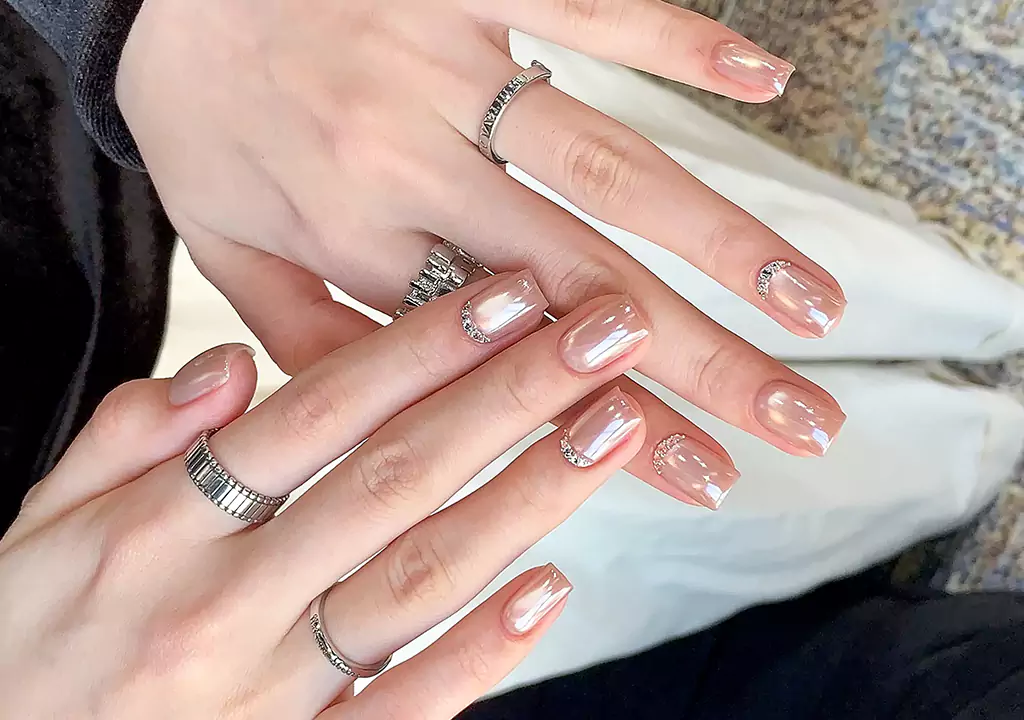
Hartgel oder Aufbaugel? So wählen Sie das passende Gel für Ihre Bedürfnisse.
Wählen Sie Hartgel, wenn:
- Sie streben nach ultralangen Nagelverlängerungen und benötigen extreme Nagelhärte.
- Sie verändern Ihre Maniküre nur selten und möchten, dass sie bis zum natürlichen Nagelwachstum hält.
- Sie haben dicke Nagelplatten und vertragen eine professionelle Entfernung des Nagellacks.
Wählen Sie Builder Gel, wenn:
- Ihre Nägel sind dünn, brüchig oder splittern ab und benötigen tägliche Pflege.
- Sie mögen strukturierte Maniküren (einschließlich russischer Maniküre) und den Schutz des natürlichen Nagelwachstums.
- Sie bevorzugen eine einfache Entfernung durch Einweichen in Aceton und regelmäßiges Auffüllen der Nägel.
- Sie wünschen sich ein flexibles Tragegefühl und lehnen ein steifes Nagelgefühl ab.
Gelnägel vs. Acrylnägel: Warum Aufbaugel empfehlenswerter ist?
Aufbaugel war lange Zeit eine unterschätzte Option für Nagelverlängerungen, da viele Nagelliebhaber Acrylnägel bevorzugten. Ich möchte Ihnen die Unterschiede zwischen diesen beiden Nagelarten anhand eines Vergleichs verdeutlichen, um Ihnen ein besseres Verständnis zu ermöglichen. Acryl erfordert das Mischen von Pulver und Flüssigkeit vor dem Auftragen an der Luft und ist mit einem intensiven, unangenehmen Chemikaliengeruch verbunden.
Andererseits ist Aufbaugel geruchlos, flexibel und leicht. Außerdem löst es sich nicht so leicht ab und bricht nicht. Da keine aggressiven Chemikalien auf den Nägeln zurückbleiben, wird das Nagelbett nicht geschädigt. Zudem ist bei Aufbaugel weniger Polieren und Feilen nötig als bei Acryl. Daher erfreut sich Aufbaugel zunehmender Beliebtheit und ist in den letzten Jahren in Nagelstudios weit verbreitet.
Praktische Tipps zur Verlängerung der Lebensdauer von Aufbaugelnägeln
Ausgezeichnete Aufbaugelprodukte wie Chroméclair Die Haltbarkeit kann bis zu vier Wochen betragen, und die richtige Pflege verlängert sie. Erstens sollten Sie Ihre Nagelspitzen täglich mit Nagelöl pflegen. Zweitens sollten Sie beim Umgang mit Desinfektionsmitteln und Reinigungsmitteln Handschuhe tragen, da diese das Gel angreifen können. Drittens sollten Sie Ihre Nägel nicht zum Hebeln verwenden, da dies das Gel beschädigt.
Schlussbemerkungen
Zusammenfassend lässt sich sagen, dass sich Hartgel auf hohe Härte und Haltbarkeit konzentriert und sich daher für diejenigen eignet, die lange Nägel bevorzugen und selten ihre Nagelform ändern möchten. Bauherren-Gel Aufbaugel ist der Alleskönner in der Nagelwelt: Es ist haltbar, verlängert die Nägel, ist pflegeleicht und schont die Nägel. Damit erfüllt es die Anforderungen der täglichen Maniküre. Egal ob im Nagelstudio oder zu Hause – Aufbaugel ist immer die beste Wahl.
Für sichere und hochwertige Gelprodukte empfehlen wir Ihnen die Gel-Aufbaugele und Hartgele von Chroméclair. Durch die Auswahl des passenden Gels, abgestimmt auf den Zustand Ihrer Nägel, erzielen Sie den Effekt einer professionellen Maniküre.
 English
  Spanish
  German
  French
  Italian
  Dutch
Dutch