
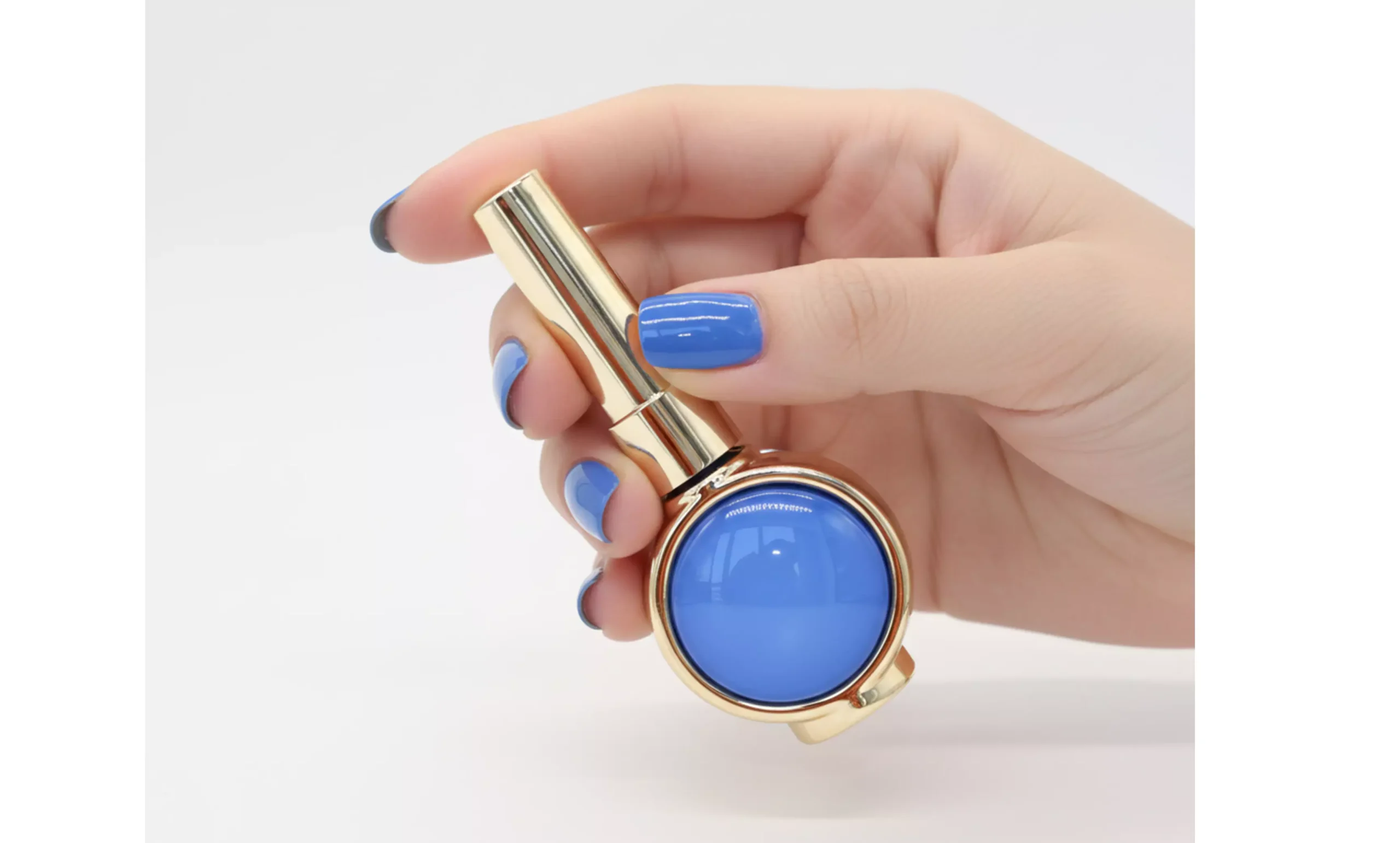
Is gel polish really more damaging than regular nail polish? Can UV nail lamps cause skin cancer?What’s the difference between nail polish and gel polish formulas, and which should I choose? Nail material specialist Starry breaks down the formulas, risks, and expert nail care tips you actually need to know.
You’ve probably stood in a nail salon at some point, staring at the menu and thinking: “Gel lasts longer, but is it wrecking my nails? Regular polish is safer, but it chips in three days…” Sound familiar?
I’ve spent eight years working with nail product formulas and raw materials, testing products from dozens of brands and talking to both clients and technicians about what’s actually going on with their nails. Most of the confusion, I’ve found, comes down to misinformation rather than the products themselves. So let me walk you through what’s really in these formulas, what the risks look like, and how to make a choice that actually works for you.
Regular Nail Polish: “Natural” Doesn’t Always Mean Safe
The Basic Science
At its core, nail polish is a solvent-evaporation system. The formula is typically 70–80% volatile solvents, around 15% nitrocellulose, with small amounts of camphor, titanium dioxide (a whitening agent), and oil-soluble pigments. When the solvents evaporate, everything else sets into a thin colored film on your nail.
No lamp, no fuss. A clear bottle and a tight cap are all you need for storage. Simple enough.
Here’s the Part People Miss
The trouble lives inside those solvents. A lot of conventional polishes rely on formaldehyde, toluene, and dibutyl phthalate (DBP) to dry faster and last longer. We call these the “toxic trio” in the industry, and for good reason.
A friend of mine once texted me in a panic after doing her nails at home. The smell was so intense, she said, that opening the windows barely helped. I asked her to send me a photo of the bottle and toluene was sitting right there in the ingredient list. Long-term exposure to these compounds has been linked to allergic reactions, respiratory issues, and endocrine disruption. That’s not fearmongering; it’s established toxicology.
There’s also a subtler issue that doesn’t get talked about enough: the pigments in regular polish gradually migrate into the nail plate over time, causing that yellowing and dullness you’ve probably noticed. That’s why most techs recommend removing it every three to four days, not just for the look, but for actual nail health.
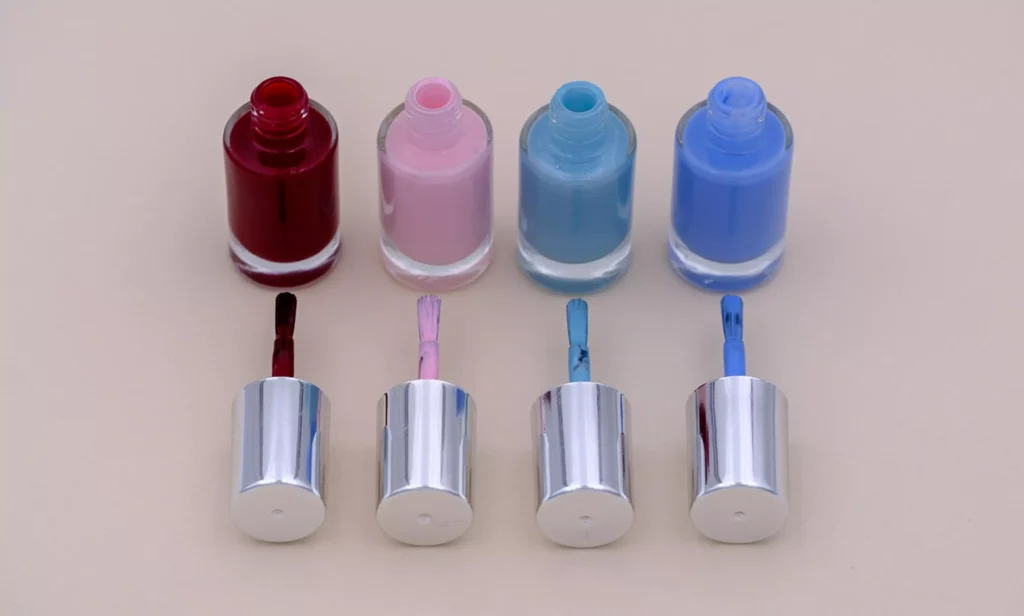
What to look for when you’re shopping:
- Prioritize “3-Free,” “5-Free,” or “10-Free” labels. The higher the number, the more harmful ingredients have been left out
- Always work somewhere with good airflow; a sealed bathroom is not the move
- Give your nails a proper break between color changes. They need recovery time, just like skin does
Gel Polish: Incredible Results, but Know What You’re Buying
Why It Works Differently
Gel polish doesn’t rely on evaporation at all. It cures through photopolymerization, a light-triggered chemical reaction that hardens the formula into a durable, glossy finish. That’s why it needs a lamp, and why it’s nearly odorless: with almost no volatile compounds, there’s simply nothing to smell.
The results speak for themselves. Better shine, better durability, stronger adhesion, and a wear time of roughly 21 to 35 days. And if you want gradient fades, cat-eye effects, or anything more intricate than a solid color, gel is pretty much the only way to get there.
The Ingredient Problem Nobody Talks About Enough
Here’s where things get more complicated. The resin base in gel polish is generally safe, but most formulas on the market also contain TPO (diphenyl(2,4,6-trimethylbenzoyl)phosphine oxide) and HEMA (hydroxyethyl methacrylate) as photoinitiators, and both are well-documented sensitizers.
I’ve had so many conversations with nail techs who’ve been in the game for years and are suddenly dealing with redness, swelling, or persistent itching around their fingertips. Nine times out of ten, it traces back to HEMA sensitization. Clients who come in once a month might not notice anything, but if you’re working with gel polish every single day, that exposure adds up fast.
This is exactly why I started seeking out HEMA-frei und TPO-frei formulas a few years back. The brand I keep coming back to is CHROMÉCLAIR Gel-Politur: clean formulation, wide color range, and it cures reliably every time. HEMA-frei & TPO-frei Gel-Politur ,Stripping out sensitizing ingredients rather than just layering in more performance chemicals feels like the right direction for the whole industry, and I think we’ll see a lot more brands move that way.
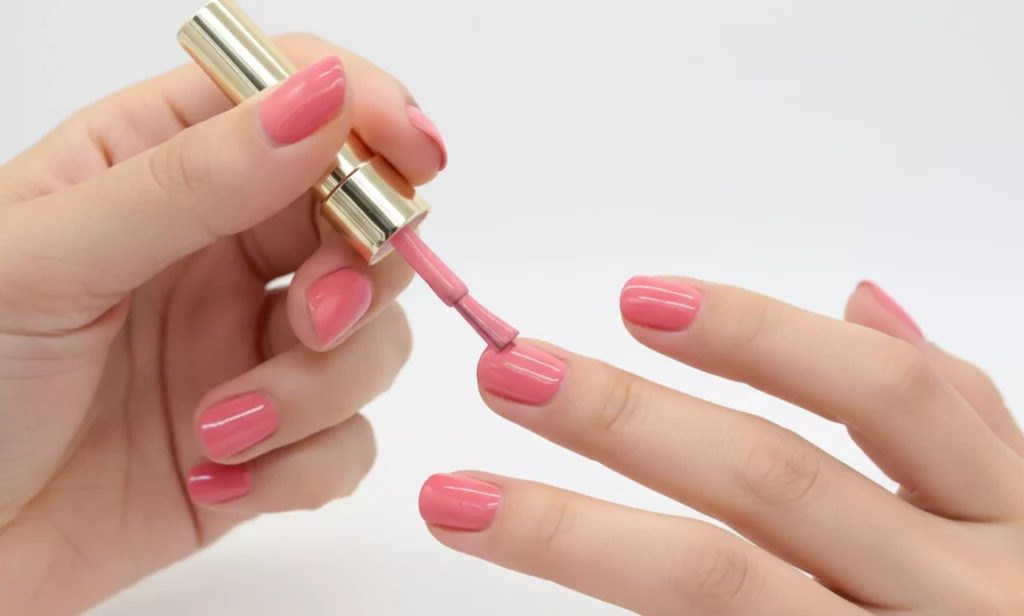
A few things worth keeping in mind when using gel:
- Go with an LED lamp. It cures in about 60–90 seconds, targets the right wavelengths precisely, and puts less stress on the surrounding skin than older UV lamps
- Store your gel polish in an opaque bottle away from direct light, or it’ll start curing before you even open it
- If you’re a working nail tech, gloves during application aren’t optional. Make a habit of checking the skin around your nails regularly too
“Gel Damages Your Nails More” — Let’s Clear This Up
I hear this one constantly, and I get where it comes from. Gel needs a lamp, it needs acetone to remove, the whole process sounds more intense, so people assume it must be harder on the nail.
But most nail damage isn’t about the product. It’s about the technique. Aggressive filing, forcible peeling, rushing the removal process: that’s what wrecks nail plates, not the formula.
Regular polish isn’t as gentle as people assume, either. Pigments accumulate in the nail plate over time, and repeated solvent contact around the cuticle area causes dryness and irritation. Gel’s resin base, on the other hand, is non-toxic at its core. Used and removed properly, it’s no more damaging than a regular polish routine.
So it really comes down to what you need:
| Your Situation | Best Fit |
|---|---|
| You love switching up colors every few days | Regular nail polish |
| You want long wear and creative nail art options | Gel-Nagellack |
| You have sensitive skin or a history of allergies | HEMA-freier Gel-Politur |
| You’re pregnant or breastfeeding | Check with your doctor first |
“Nail Lamps Tan Your Hands and Cause Skin Cancer” — Here’s What the Research Actually Says
Every time I see this claim circulating online, I take a deep breath.
Yes, nail lamps emit UV or visible light. But researchers have used the Skin Carcinogenicity Potential spectrum (SCP-h) to measure the effective radiation dose from nail lamps, and the results are pretty clear. The exposure is localized, narrow-spectrum, and the cancer risk is minimal, nowhere near the same ballpark as cumulative sun exposure.
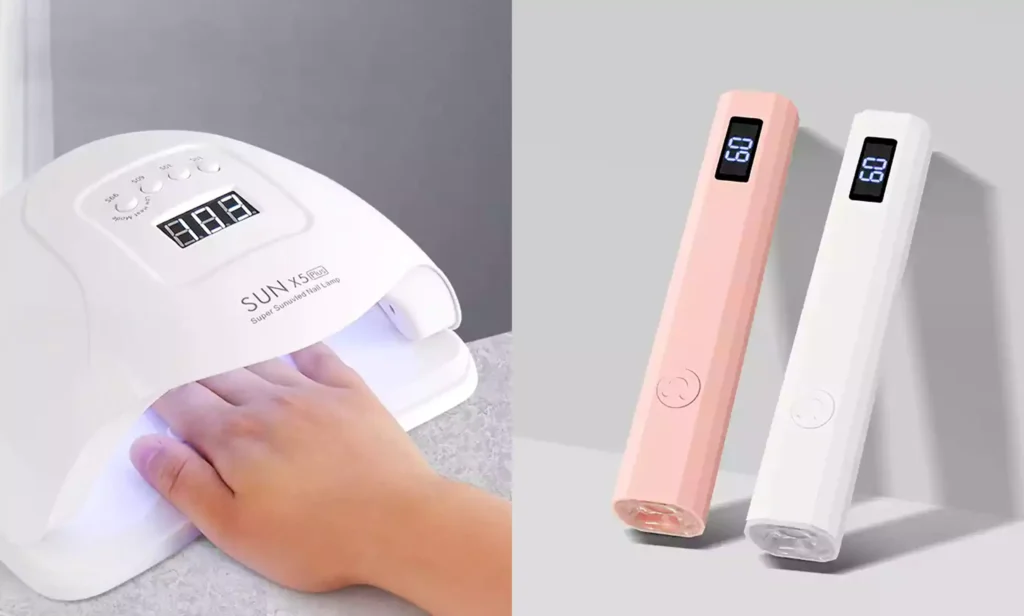
More to the point, LED lamps don’t produce UVB at all. They operate in a specific visible light range, so the whole “you’ll tan your hands” concern simply doesn’t hold up. I’ve been using LED lamps professionally for eight years, and my hands are fine.
Bottom line: use an LED lamp. Safer, faster, and easier on your electricity bill.
Nail Care: Less Complicated Than You Think
Healthy nails are mostly about consistency. I’d say it’s 70% daily habits and 30% product choices. Here’s the routine I’ve built up over the years:
Before trimming or shaping:
- Soak your fingertips in warm water for a few minutes. Toss in some fresh lemon slices to soften the cuticles and loosen any buildup around the nail edges
- Pat dry, then gently push back the softened cuticles with a cuticle pusher. Light pressure only, and please don’t tear
- Brush around the nail to clear away any loose skin, rinse well, then massage in a hand cream using small circular motions for about two minutes
The everyday habits that actually make a difference:
- Wear gloves when cleaning or handling solvents. Everyone knows this one, but almost nobody actually does it
- When you apply hand cream, work it into your nails and cuticles too. Regular massage there keeps hangnails in check
- Stop using your nails as tools. Prying open ring pulls, peeling off stickers, hammering keys with your fingertips: all of these chip and weaken nails faster than any product ever could
- If your nails break easily, start with your diet. Biotin (Vitamin H), found in eggs, milk, and nuts, directly supports nail hardness, and getting enough iron and protein makes a noticeable difference in growth quality too
One Thing the Industry Still Hasn’t Figured Out
I want to end on something I think about more than most people in this space do: once you remove HEMA and TPO, are we actually done?
Not quite. You still need photoinitiators to make gel polish cure, and the alternatives currently being used are newer, with long-term safety data still catching up. My honest prediction is that bio-based resins and plant-derived photoinitiators are going to define the next generation of premium gel polish. Think of it as the nail industry’s version of the clean beauty movement in skincare. We’re heading there, just a little behind schedule.
It’s something I’m keeping a close eye on, and worth watching if you care about what goes on your nails.
I’d genuinely love to know where you land on this: are you a regular polish person or a gel convert? Have you ever dealt with a sensitivity reaction or stubborn nail staining? Share it in the comments, and your experience might just shape what I write about next.
 English
  Spanish
  German
  French
  Italian
  Dutch
Dutch