
Von Nagelgesundheit bis Anwendungstechniken: Vermeidung von 90% der Maniküre-Fallstricke
Hallo, ihr Nageldesign-Fans! Ich bin Starry. Mit acht Jahren Erfahrung in der Nagelmaterialbranche – von Materialtests an vorderster Front bis hin zur praktischen Beratung in Nagelstudios – habe ich unzählige Freundinnen gesehen, die ihre gesunden Nägel ruiniert haben. Sie wurden dünn, brüchig und sogar entzündet oder geschwollen, alles aufgrund mangelnden Wissens über Nagelpflege, falscher Produktwahl und ungeeigneter Techniken.
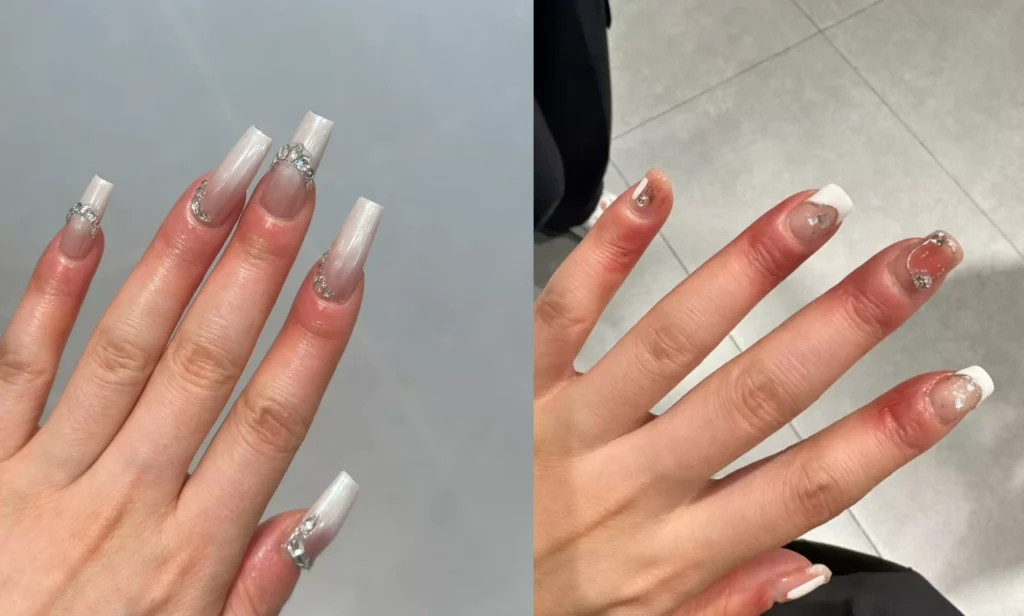
In diesem Artikel räume ich mit unnötigem Drumherum auf. Basierend auf meiner praktischen Erfahrung und meinem Branchenwissen behandle ich alles von Nagelgesundheit und Produktauswahl bis hin zur richtigen Anwendung und Entfernung. Dieser umfassende Ratgeber hilft Ihnen, alle Fragen rund um Nageldesign zu klären und stylisch auszusehen, während Ihre Naturnägel geschützt werden!
I. Die Gesundheit der Nägel hat Vorrang vor der Maniküre: Gesunde Nägel sind die Grundlage der Schönheit
Viele achten nur auf das Aussehen ihrer Nägel und vernachlässigen dabei deren Gesundheit. Denn selbst das filigranste Nageldesign kann nicht lange halten. Beschädigte Nägel führen zu einem Teufelskreis: Maniküre → beschädigte Nägel → schwächer werdende Nägel → häufige Nachbesserungen nötig. Aus meiner langjährigen Erfahrung mit Tausenden von Nagelfällen rate ich Ihnen dringend, diese drei häufigsten Fehler für gesunde Nägel zu vermeiden!
1. Zu starkes Polieren: Der “unsichtbare Killer” der Nägel – 901 von 30 Menschen machen diesen Fehler
Ich erinnere mich an einen Besuch in einem Partner-Nagelstudio zur Inspektion. Dort sah ich, wie eine Technikerin die Nageloberfläche einer Kundin wiederholt mit einer groben Feile bearbeitete und dabei sogar die Nagelhaut abrieb. Die Kundin dachte: “So hält der Gel-Nagellack länger”, aber das ist ein großer Irrtum!
Empfohlener nächster Schritt
Geschmeidige, langanhaltende Gel-Routine
Blasenbildung, Abblättern, Schrumpfen und stumpfer Glanz deuten meist auf Systemmängel hin. Die Maniküre sollte aus Vorbereitung, Unterlack, Farblack und Überlack bestehen.
- Bereiten Sie die Nagelplatte vor dem Lackieren vor.
- Verwenden Sie einen Unterlack, der zum Gelsystem passt.
- Zum Schluss einen passenden Überlack auftragen, um Haltbarkeit und Glanz zu gewährleisten.
Entdecken Sie unser langlebiges Pflege-SetSiehe Top Coat ohne AbwischenVergleiche alle Routinen
Die Nageloberfläche besitzt eine Schutzschicht. Zu starkes Polieren entfernt diesen Schutzfilm, wodurch die Nägel dünn, brüchig und anfällig für Brüche werden. Außerdem erleichtert es das Eindringen von Pilzen und Bakterien und kann zu Entzündungen des Nagelbetts führen.
Hier ein praktischer Tipp (nachweislich wirksam):
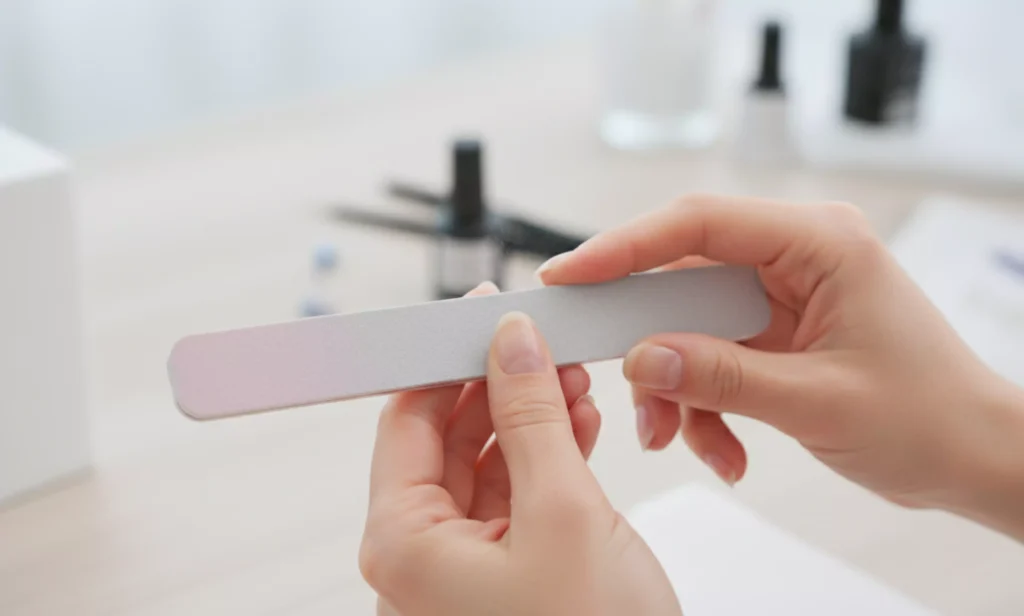
- Zur Vorbereitung eine feine Nagelfeile (Körnung 180–240) verwenden. Die Nageloberfläche sanft anrauen, nur so weit, dass Öl und Glanz entfernt werden – die oberste Nagelschicht muss nicht abgeschliffen werden.
- Feilen Sie in eine Richtung (von der Nagelhaut zur Spitze). Vermeiden Sie es, hin und her zu sägen, denn das kann zu Nagelablösung und Schichtung führen.
- Schieben Sie die Nagelhaut mit einem Nagelhautschieber sanft zurück und schneiden Sie mit einer Nagelhautzange nur die abgestorbene Haut vorsichtig ab. Polieren Sie den Nagelhautbereich niemals ab.
2. Nagelhygiene: Ein kleines Detail verbirgt ein großes Sicherheitsrisiko
Die Sauberkeit und Trockenheit Ihrer Nägel vor einer Maniküre beeinflussen maßgeblich das Risiko einer nachfolgenden Infektion. Ich hatte einmal eine Kundin, deren Nägel drei Tage nach der Maniküre rot, geschwollen und juckend waren. Eine Untersuchung im Krankenhaus bestätigte eine Pilzinfektion – bedingt durch Reste von Handcreme auf den Nägeln, die vor der Behandlung nicht gründlich entfernt worden waren.
Die richtigen Reinigungsschritte sind einfach, müssen aber richtig durchgeführt werden: Wischen Sie zunächst die Nageloberfläche mit einem Alkoholpad ab, um Öl und Staub zu entfernen. Trocknen Sie sie dann mit einem sauberen Wattepad ab und stellen Sie sicher, dass der Nagel vollständig trocken ist, bevor Sie fortfahren. Denken Sie daran: Eine feuchte Nageloberfläche beeinträchtigt nicht nur die Haftung des Gels, sondern wird auch zu einem Nährboden für Bakterien.
3. Gönnen Sie Ihren Nägeln eine Ruhepause: Für langanhaltende Schönheit können sie sich erholen.
Ich habe viele Freundinnen, die fast wöchentlich ihre Nageldesigns wechseln und manchmal sofort nach dem Abnehmen ein neues Set bekommen. Mit der Zeit werden ihre Nägel hauchdünn und brechen bei der kleinsten Unebenheit. Branchenangaben zufolge führt eine kontinuierliche Maniküre von mehr als drei Monaten ohne Pause zu einer 82%-Rate an Nagelschäden.
Mein Tipp: Gönnen Sie Ihren Nägeln alle vier bis sechs Wochen eine Pause von ein bis zwei Wochen. Verzichten Sie in dieser Zeit auf Gel-Nagellack. Tragen Sie stattdessen täglich einen Nagelhärter oder ein pflegendes Nagelöl auf, damit Ihre Nägel natürlich wachsen und sich regenerieren können. Keine Sorge, wenn sie etwas schlicht aussehen – eine Schicht klarer, pflegender Nagellack schützt sie und sorgt für ein gepflegtes Aussehen.
II. Die Auswahl der richtigen Produkte: Erst die Sicherheit, dann die Ästhetik (mit bewährten Empfehlungen)
Als jemand, der im Bereich Nagelmaterialien arbeitet, komme ich täglich mit verschiedenen Gel-Nagellacken in Kontakt und habe unzählige No-Name-Produkte gesehen, die schädliche Inhaltsstoffe wie Formaldehyd, TPO und HEMA enthalten. Langfristige Anwendung schädigt nicht nur die Nägel, sondern kann durch die Aufnahme über die Haut auch die allgemeine Gesundheit beeinträchtigen. Meine Kriterien für die Produktauswahl lassen sich auf zwei Punkte reduzieren: Sicherheit und Praktikabilität.
1. Wählen Sie zertifizierte Produkte und vermeiden Sie die Falle unbekannter Marken.
Um Kosten zu sparen, verwenden viele kleine Nagelstudios billige, nicht zugelassene Gellacke. Für diese Produkte liegen oft keine Prüfberichte vor, ihre Inhaltsstoffe sind unklar, sie verströmen einen starken, stechenden Geruch und können die Nägel gelb und brüchig werden lassen.
So erkennen Sie es ganz einfach: Achten Sie beim Kauf von Gel-Nagellack immer auf die Verpackung und prüfen Sie Markenname, Hersteller, Inhaltsstoffe und Testberichte – all das ist wichtig. Nagellacke von renommierten Marken riechen nur leicht, härten gut aus, hinterlassen kaum klebrige Rückstände und sind schonender für die Nägel.
2. Verstehen Sie die Liste der Inhaltsstoffe: Vermeiden Sie schädliche Substanzen, bevorzugen Sie nährstoffreiche Formeln
Viele Menschen achten nur auf die Farbe und ignorieren die Liste der Inhaltsstoffe. Die Liste der Inhaltsstoffe ist jedoch der Schlüssel zur Beurteilung der Produktqualität, insbesondere für Menschen mit empfindlicher Haut oder brüchigen Nägeln. Achten Sie genau auf diese Punkte:
- Vermeiden Sie schädliche Inhaltsstoffe: TPO (ein Fotoinitiator, der bei langfristiger Exposition die Haut reizen kann), HEMA (kann Allergien verursachen) und Formaldehyd (ein Karzinogen, das Nägel und Atemwege schädigt).
- Bevorzugen Sie nährende Inhaltsstoffe: Gellacke, die Inhaltsstoffe wie Squalan, Vitamin E oder Panthenol enthalten, können die Nägel während der Maniküre nähren und Schäden reduzieren.
- Am besten für empfindliche Haut: Suchen Sie nach Nagellacken mit der Bezeichnung “TPO-freier Gel-Politur”" Und "“HEMA-freier Gel-Politur.”Sie sind weniger reizend und lösen seltener Allergien aus.“.
3. Bewährte und erprobte Empfehlung: CHROMÉCLAIR Gel-Politur - Sicher und schön
Da ich schon so lange in dieser Branche tätig bin, habe ich viele Marken verwendet. CHROMÉCLAIR Gel-Nagellack ist eine Marke, die ich Freunden und Partnersalons immer wieder empfehle – vor allem, weil ich persönlich an der Prüfung der Inhaltsstoffe beteiligt war und somit Sicherheit und Praktikabilität erwiesen sind.
Das größte Plus ihres Gel-Nagellacks ist, dass er frei von TPO und HEMA ist und somit vollständig auf diese beiden potenziell reizenden und allergenen Inhaltsstoffe verzichtet. Er ist sicher für empfindliche Haut und brüchige Nägel. Zudem zeichnet er sich durch geringe Hautempfindlichkeit und Umweltfreundlichkeit aus, ist beim Auftragen nahezu geruchlos und sorgt nach dem Aushärten für ein wunderschönes, glänzendes Finish.
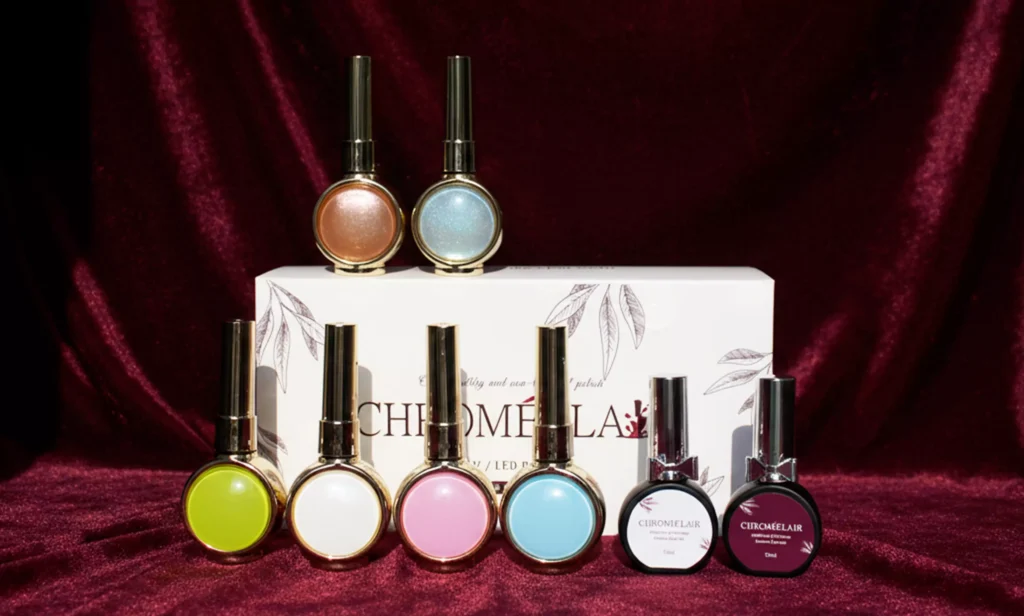
Darüber hinaus liegen seine Vorteile klar auf der Hand: eine breite Farbpalette, die von alltäglichen Nudetönen über zarte Mauve-Töne bis hin zu trendigen Knallfarben reicht und mit der aktuellen Nailart-Ästhetik Schritt hält. Die Haltbarkeit ist ausgezeichnet, sie hält bei normalen Tätigkeiten wie Hausarbeit und Tippen etwa 21-35 Tage. Die Konsistenz ist geschmeidig, so dass er auch von Anfängern leicht und ohne sichtbare Pinselstriche aufgetragen werden kann.
III. Standardisierte Anwendung: Details bestimmen die Langlebigkeit der Maniküre und die Gesundheit der Nägel
Mit den richtigen Produkten und guter Nagelvorbereitung kann eine unsachgemäße Anwendung alles ruinieren. Ich habe schon oft gesehen, wie falsche Techniken von Nageldesignerinnen zu Nagelschäden, vorzeitigem Absplittern oder sogar Infektionen geführt haben. Achten Sie daher unbedingt auf diese drei Details!
1. Werkzeug-Sterilisation: Eine wichtige Quelle für Kreuzinfektionen - übersehen Sie sie nicht
Werden Nagelwerkzeuge (Scheren, Pinzetten, Feilen, Nagelhautschieber usw.) nicht umgehend sterilisiert, können sie Bakterien und Pilze des vorherigen Kunden beherbergen und so leicht zu Kreuzinfektionen führen. Bei jedem Besuch in einem Nagelstudio überprüfe ich als Erstes, ob die Nageldesignerin ihre Werkzeuge sterilisiert – das ist ein wichtiges Indiz für einen professionellen Salon.
Die richtige Methode: Wischen Sie die Oberflächen der Werkzeuge nach jedem Gebrauch mit einem Alkoholpad 75% ab. Gegenstände wie Feilen, die sich nur schwer abwischen lassen, sollten in einem professionellen Sterilisator (z. B. einer UV-Kabine oder einem Autoklaven) aufbewahrt werden. Die Werkzeuge sollten separat gelagert werden, um eine Kontamination zu vermeiden.
2. Qualifizierung von Technikern: Lassen Sie Profis ihre Arbeit machen
Eine erfahrene Nageldesignerin kreiert nicht nur wunderschöne Designs, sondern schützt Ihre Nägel auch während der Behandlung. Ich habe einmal eine Anfängerin betreut, die, da sie die richtige Oberflächenvorbereitung nicht kannte, Gel-Nagellack in dicken, wiederholten Schichten auftrug. Das führte zu einer dicken Schicht, die leicht abblätterte und die Nageloberfläche beschädigte.
Ich empfehle Ihnen, sich für Technikerinnen und Techniker zu entscheiden, die über eine professionelle Ausbildung und mindestens drei Jahre Erfahrung verfügen. Erfahrene Technikerinnen können ihre Technik an den Zustand Ihrer Nägel anpassen. Zum Beispiel werden sie beim Polieren dünner Nägel weniger Druck ausüben, um übermäßige Schäden zu vermeiden.
3. Vermeiden Sie übermäßige Verschönerungen: Sieht gut aus, ist unpraktisch und schädlich
Viele verzieren ihre Nägel gerne mit zahlreichen Strasssteinen, Perlen oder aufwendigen 3D-Skulpturen, weil sie denken, das sähe edler aus. Zu viel Dekoration belastet den Nagel jedoch zusätzlich, führt zu einer ungleichmäßigen Spannungsverteilung und macht ihn anfälliger für Verformungen und Brüche. Außerdem kann sich an den Rändern der Verzierungen Schmutz ansammeln, was die Reinigung erschwert und das Infektionsrisiko erhöht.
Mein Tipp: Für den Alltag empfehle ich schlichtere Designs mit nur ein oder zwei Verzierungen. Sollten Sie sich für ein aufwendigeres Design entscheiden, tragen Sie es nicht länger als eine Woche, sondern entfernen Sie es umgehend, um Ihre Nägel zu schonen.
IV. Entfernung + tägliche Pflege: Ein starkes Finish pflegt die Nägel wieder gesund
Viele konzentrieren sich nur auf das Auftragen und vernachlässigen das Entfernen und die tägliche Nachsorge. In Wirklichkeit kann eine unsachgemäße Entfernung mehr Schaden anrichten als die Maniküre selbst. Eine konsequente tägliche Pflege hält die Nägel gesund und verlängert die Lebensdauer der Maniküre.
1. Richtiges Entfernen: Niemals abziehen oder aufhebeln - sanftes Entfernen ist der Schlüssel
Am schädlichsten finde ich, dass manche Menschen, weil sie Gel-Nagellack schwer entfernen können, ihn mit Scheren oder groben Feilen gewaltsam abkratzen oder abziehen. Dadurch wird die oberste Nagelschicht abgetragen, die Nägel werden dünn und empfindlich, und es kann sogar zu Onycholyse (Ablösung der Nagelplatte vom Nagelbett) kommen.
Korrekte Entfernungsschritte (als nicht schädigend getestet):
- Polieren Sie die oberste Schicht des Gelpoliers vorsichtig mit einer feinkörnigen Feile ab, um die glänzende Deckschicht zu entfernen (so kann der Entferner besser eindringen).
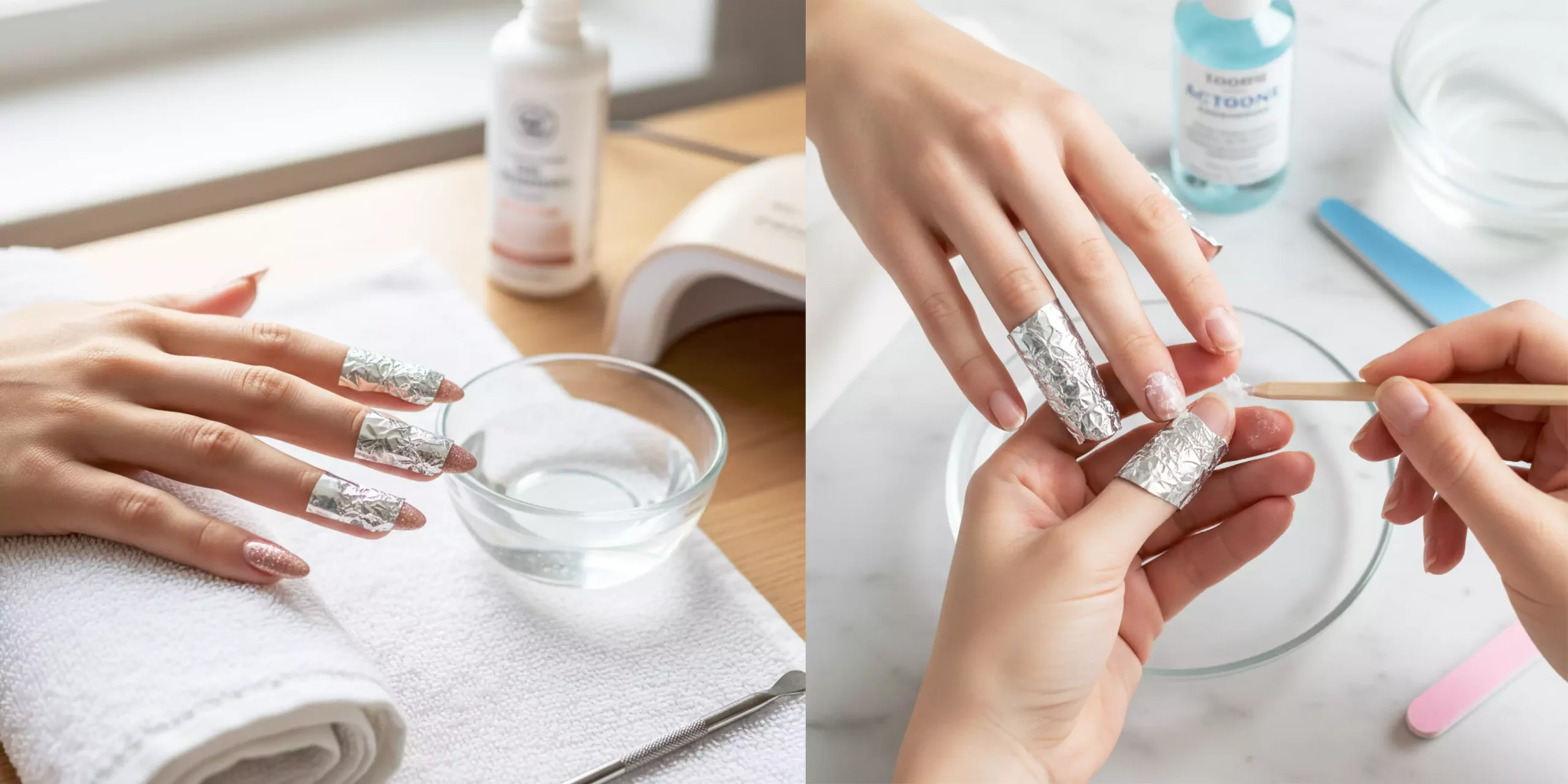
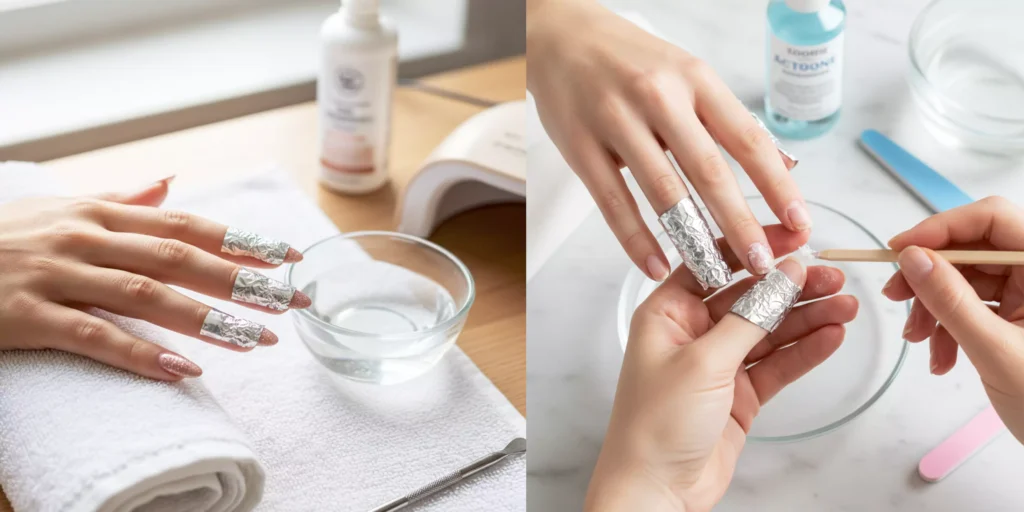
- Tränken Sie ein Wattepad mit professionellem Nagellackentferner (auf Acetonbasis), legen Sie es auf den Nagel und wickeln Sie es fest mit Folie ein. Warten Sie 10-15 Minuten.
- Nach Ablauf der Einwirkzeit den Nagel vorsichtig abwischen. Das Gel sollte sich leicht ablösen lassen. Falls Rückstände vorhanden sind, diese vorsichtig mit einem Holzstäbchen entfernen – niemals gewaltsam abkratzen.
- Wischen Sie den Nagel nach dem Entfernen mit einem Alkoholtupfer ab, um Reste des Entferners zu entfernen.
2. Nachsorge nach der Entfernung: Rechtzeitige Reparatur und “Pflege” der Nägel
Nach dem Entfernen des Nagellacks sind die Nägel empfindlich und benötigen rechtzeitig Pflege; andernfalls werden sie immer schwächer. Jedes Mal, wenn ich meinen Nagellack entferne, wende ich eine einfache Pflegeroutine an:
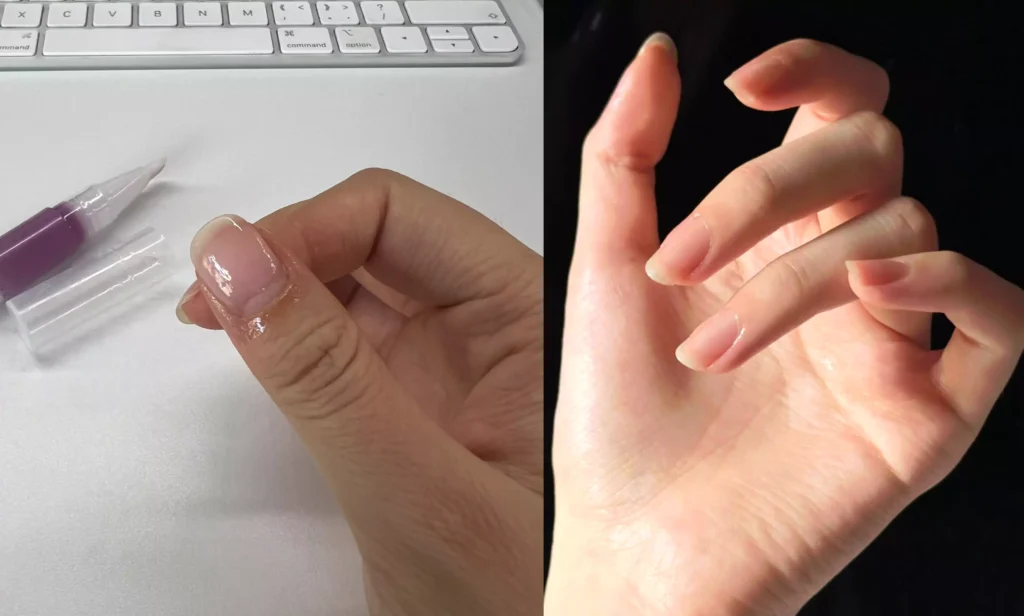
- Tragen Sie Nagelhautöl auf und massieren Sie es in die Nagelhaut und die umgebende Haut ein, um Trockenheit zu lindern und Hängenägeln vorzubeugen.
- Tragen Sie einen nährenden Nagelverstärker oder eine Behandlung auf, die die gesamte Nagelplatte bedeckt, um sie mit Nährstoffen zu versorgen und die Oberfläche zu reparieren.
- Setzen Sie die Behandlung 1-2 Mal täglich für 3-5 Tage fort, damit sich die Nägel schnell erholen.
3. Tägliche Pflege: Kleine Gewohnheiten für länger anhaltende Maniküre und gesündere Nägel
Wenn Sie nach der Maniküre auf kleine tägliche Details achten, können Sie die Lebensdauer Ihrer Nägel erheblich verlängern und sie schützen. Denken Sie an diese Punkte:
- Vermeiden Sie schädliche Chemikalien: Tragen Sie bei der Hausarbeit (Geschirrspülen, Wäsche waschen) immer Gummihandschuhe, damit die Nägel nicht direkt mit Wasch- und Reinigungsmitteln in Berührung kommen. Diese Substanzen können den Gellack angreifen und die Nägel beschädigen.
- Achten Sie auf die Auswirkungen: Nach der Maniküre sind die Nägel etwas empfindlicher. Vermeiden Sie es, sie gegen harte Gegenstände zu stoßen (z. B. beim Öffnen von Türen oder beim Heben schwerer Gegenstände), damit sie nicht brechen oder abplatzen.
- Regelmäßig trimmen: Auch bei einer Maniküre sollten Sie Ihre Nägel regelmäßig schneiden, um eine angemessene Länge zu erhalten (empfohlener freier Rand nicht länger als 1 cm). Dies verhindert eine übermäßige Hebelwirkung, die zu Brüchen führen kann.
V. Blick in die Zukunft: Die Zukunft der Maniküre betont “Gesundheit und Komfort”
In meinen acht Jahren in der Branche habe ich den Wandel deutlich miterlebt – von rein ästhetischen Aspekten hin zu einem wachsenden Fokus auf Gesundheit, hautverträgliche Formeln und Komfort. Angesichts der aktuellen Trends habe ich folgende Hypothese: “Hautpflege für Nägel” oder “Behandlungsmaniküren” werden sich durchsetzen.
Das bedeutet, dass Maniküre und Nagelpflege eng miteinander verknüpft werden. Gel-Nagellacke sind nicht nur sicher und schonend für die Nägel, sondern enthalten auch pflegende Inhaltsstoffe, die die Nägel während des Tragens kontinuierlich versorgen. Anwendung und Entfernung werden durch Innovationen wie Peel-off- oder Schnelltrocknungsformeln komfortabler, da sie unserem Schönheitswunsch gerecht werden und gleichzeitig Schäden beim Entfernen minimieren.
Natürlich erfordert dies kontinuierliche Innovationen der Nagelmaterialindustrie, um sicherere und praktischere Produkte zu entwickeln. Es erfordert auch von uns als Verbrauchern, eine “Gesundheit zuerst, Schönheit zweitens”-Mentalität anzunehmen und Maniküren so zu einer gesunden und modischen Lifestyle-Entscheidung zu machen.
Abschließend möchte ich Sie fragen…
Hattest du schon mal Nagelschäden oder Allergien nach einer Maniküre? Was ist dir bei der Auswahl von Nagelprodukten am wichtigsten? Teile deine Erfahrungen und Gedanken gerne in den Kommentaren! Lass uns Tipps zur Nagelpflege und Schönheit austauschen und gemeinsam schön aussehen! und Gesunde Nagelkunst-Fans vereint!
 English
  Spanish
  German
  French
  Italian
  Dutch
Dutch