
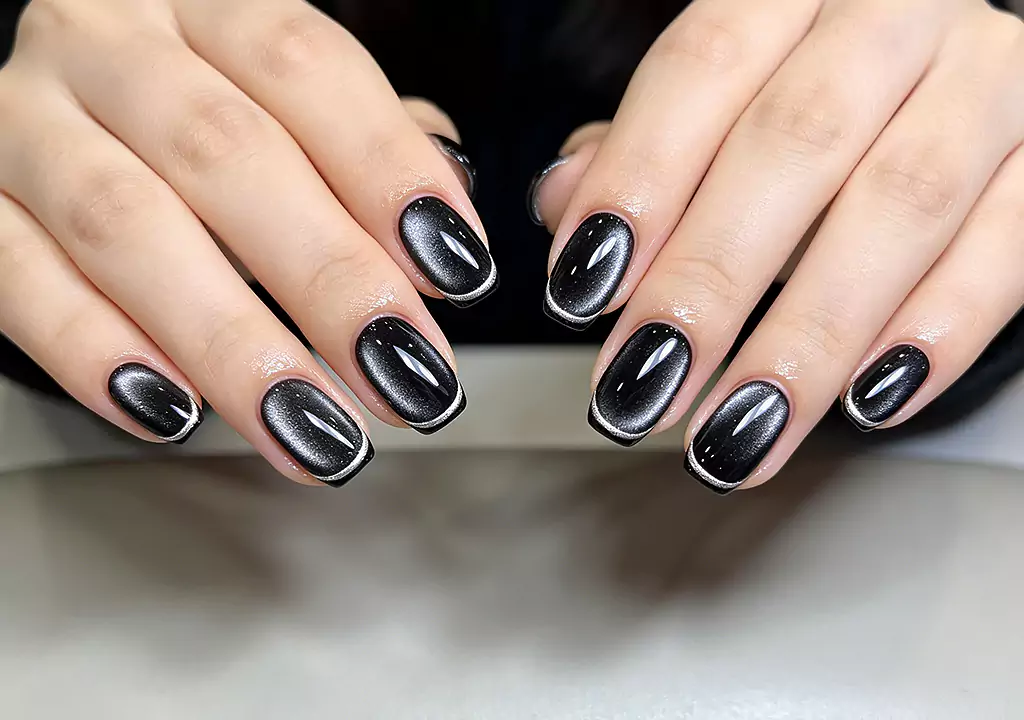
You pull off that flawless, flawless gel nail polish that went three weeks without chipping, only to be faced with the sorry sight of thin, dry, discolored nails beneath. And if you’ve ever wondered, “Doesn’t gel nail polish damage your nails?” after peeling them off, you’re definitely not the only one.
But let’s just be honest here: gel nail polish is not the culprit. The harm typically results from its application and removal, as well as what it consists of. And in this blog, we will talk about the dangers, common mistakes made by users, and how switching to a more eco-friendly version of gel nail polish can make a difference.
What Is Gel Nail Polish, Really?
Before we start pointing fingers, perhaps we should look at what we are dealing with. The gel polish is an intelligent compound containing photoinitiators, which become activated by either ultraviolet or LED light to form a coating that will be near impossible to scratch or remove. While regular nail polish requires aeration to dry, gel nail polish is cured layer by layer under a light. Every coat only takes around 30 to 60 seconds to dry.
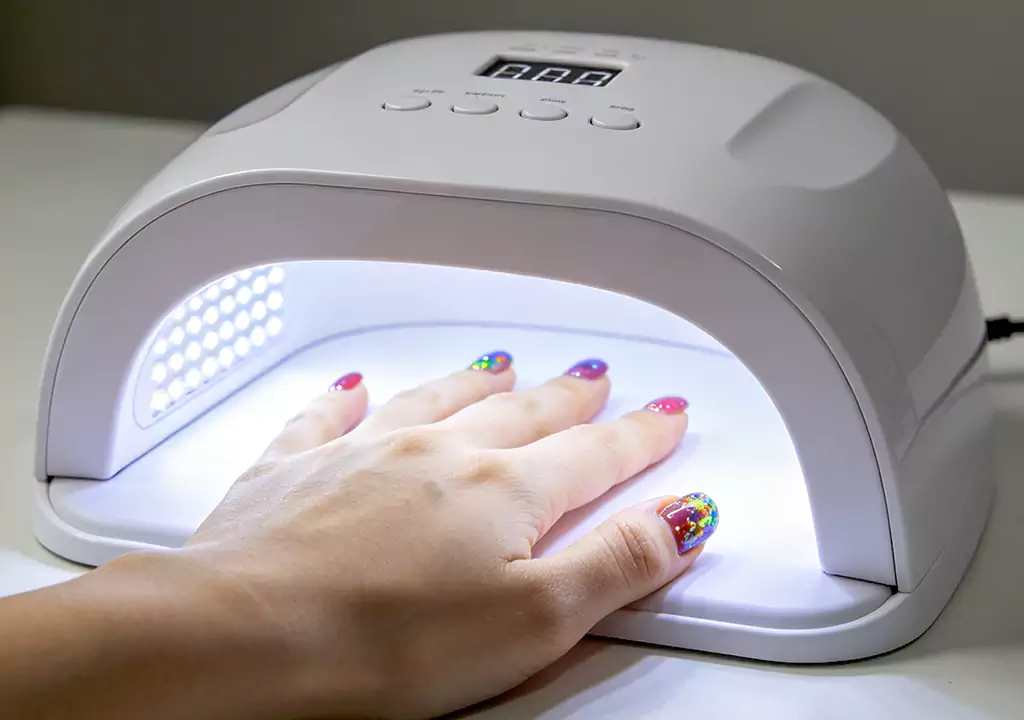
This longevity is precisely the point. But longevity also means that what may lead to problems is precisely the lamp used to cure the polish and the extremely durable surface it creates. Are nail gel polishes themselves dangerous to your health? Not really. The story is usually in how you use them.
What Can Go Wrong? The Downsides Worth Knowing
A fresh gel manicure looks flawless, but repeated or careless use can lead to a few headaches. Here’s what to watch for.
Recommended next step
HEMA/TPO-Free Starter Routine
First time trying CHROMÉCLAIR? Start with a small, compatible routine instead of one random bottle.
- Choose a HEMA/TPO-free color or set.
- Pair it with a compatible base and top coat.
- Use the same system for a smoother first manicure.
Shop starter routine kitStart with UV1 7PCSCompare all routines
Chemical Irritation and Allergies
The majority of gel nail polish contains components such as methacrylates in their formula, which create a flexible coating. The latter causes allergic reactions in some people in form of inflammation, redness, itchiness, and blisters or swollen area surrounding the nail. What is worse, even using the same type of nail polish for months may not be enough to develop sensitivity to those ingredients, which, one day, will irritate the skin.
In some cheap brands, additional substances like toluene, formaldehyde, dibutyl phthalate are added to weaken the nail plate further. This means that what is written on the ingredient list really does matter.
UV Lamp Exposure and Your Skin
The lamps that cure your gel nail polish give off UVA radiation—the exact same type that ages your skin and plays a role in skin cancers like melanoma. One session is a fairly short dose (roughly equal to a few minutes of summer sun at noon). But if you’re a regular, that exposure piles up. Is the cancer risk from gel lamps a done deal? The science is still a little divided. Still, most dermatologists agree on one thing: protecting your hands during curing is just common sense.
The Acetone Removal Struggle
Here’s something that will make you feel like you’ve lost all hope of removing nail polish. The gel nail polish is so strong that there’s no way to get rid of it other than soaking it for up to 10 minutes (sometimes even more) in straight-up acetone. This acetone is so harsh that it leaves your nails deprived of their oils, thus making them dry and prone to splitting and breaking. Before the acetone treatment, the polish’s top layer is usually buffed off, and if done in a harsh manner, your nails become thinner very quickly.
The Real Problem? Technique and Quality—Not the Polish Itself
However, here is the catch. Gel nail polish, in its own right, does not pose any danger whatsoever. It is the wrong application techniques, incorrect methods of removing gel nail polish, and inferior quality gels filled with chemicals that can cause irritation on your skin that actually create problems. However, if you perfect your technique, you will have no trouble using gel nail polish as a protective layer on your natural nails.
Preparation and Removal: Where Damage Happens Stealthily
Over-buffing can cause thinness to occur. In reality, you just have to gently remove the shine by buffing, and not filing down the nail plate which causes it to become thin. This is followed by the temptation to peel off. Peeling, scraping, and picking off gel nails physically damages the natural nail plate by creating white spots and cracks. Proper soaking and/or an e-file process during removal is absolutely necessary if one wants strong nails.
Ingredients: Not All Gel Nail Polishes Are Worth Trusting
A stroll down any aisle will show you how much work there is left to do for formulas. Many conventional gel nail polishes continue to use harmful plasticizers, solvents, and allergens that dehydrate your nails and skin. These inferior formulas tend to cure poorly, come off quickly, and leave themselves vulnerable to peeling. That’s precisely why having something superior is better.
Chroméclair: Clean Gel Nail Polish That Puts Your Nails First
This is precisely why we built Chroméclair. Our gel polishes are a completely different breed:
- Non-toxic (hema&tpo free)
- Senza crudeltà e vegano
- FDA-compliant
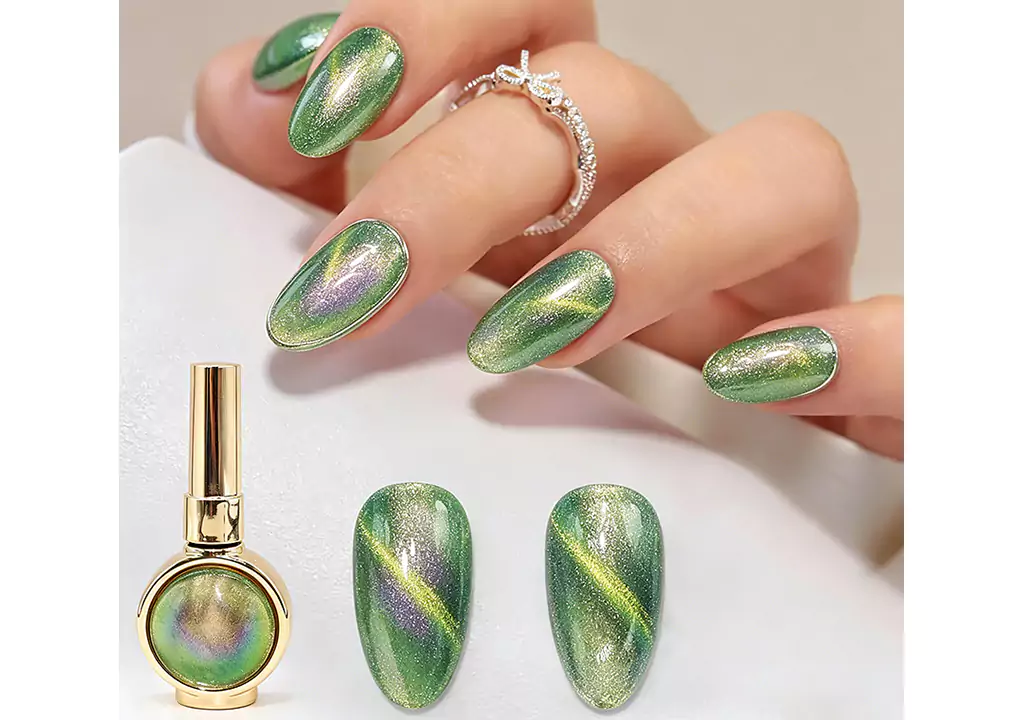
We’ve stripped out all the bad ingredients such as formaldehyde, toluene, and inferior plasticizers and made sure that performance and safety are prioritized. While we give you professional-looking depth and shine, we do not sacrifice the well-being of your nails. Because you’re applying the product to your body so frequently, it needs to be safe for your use. This is the very reason why there have been many people who switched to Chroméclair because they developed reactions to other brands.
We took out all those nasty elements like formaldehyde, toluene, and poor quality plasticizers. Even if we ensure that we provide you with professional quality depth and glossiness, your nail health will come first. Since you apply the substance directly on your body, it must be safe for you to use. This is precisely the reason why there were many people who switched from other nail polish brands to Chroméclair.
To make the whole process seamless, we created a full system:
- Pret Kit: Takes the guesswork out of prep, helping you buff gently and reach those tricky corners without damaging your nail plate.
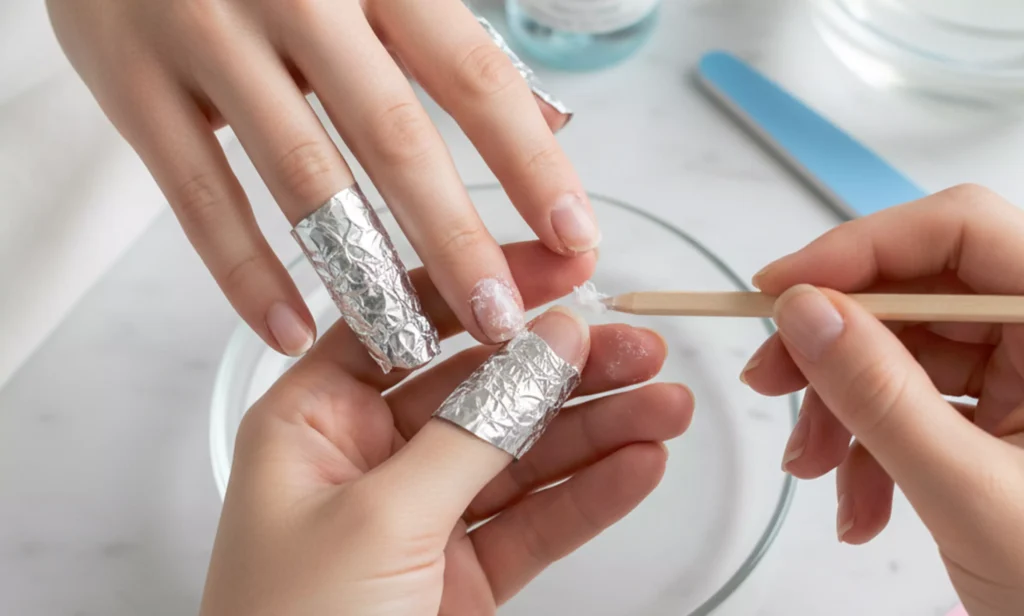
- Removal Kit: Includes gel remover wraps that let you soak off your gel nail polish gently—no aggressive scraping needed.
- Pro LED Lamp: Engineered to cure our gel nail polish evenly and completely, so you avoid the lifting and sensitivity that come from under-curing.
- Nourishing Cuticle Oil: Hydration is everything. Our formula keeps nails and cuticles happy, even through back-to-back gel wear.
5 Tips for Healthy, Happy Gel Nail Polish Wear
You don’t need to stop using smalto gel, but follow the recommendations, and you will be able to enjoy your shiny look without feeling guilty.
1. Use gel polish occasionally
The American Academy of Dermatology advises to wear gel polish occasionally. It means you expose yourself to less UV light, allowing your nails some recovery time. You can continue to use gel nail polish regularly, but take at least several weeks off between manis.
2. Shield your skin before curing
Your hands must be covered with a broad-spectrum water-resistant sunscreen lotion (with SPF 30 or higher) before putting them under the lamp. Or you may use specialized fingerless protective gloves designed especially for manicures with gel nail polish. It is a small effort, but it significantly reduces your UVA exposure.
3. Prep gently, always use a base coat, and cure fully
A light buff is all you need—don’t file your nails thin. If over-buffing is your struggle, our Chroméclair Pret Kit was literally designed to make gentle prep easy. A good base coat adds a protective barrier between your nail and the pigmented gel nail polish, improving adhesion so you don’t have to file so hard. And always cure under a dependable lamp like the Chroméclair Pro LED Lamp. Under-cured gel nail polish is a fast track to lifting, irritation, and peeling.
4. Never, ever peel off your gel nail polish
We know. That lifted edge is begging to be picked. But peeling strips away layers of your natural nail right along with the polish. Soak off your gel nail polish properly with the gentle wraps in our Chroméclair Removal Kit, or visit a salon. If you’re trained, a fine e-file bit works; if not, stick to soaking and gently nudging off the softened gel.
5. Hydrate like your nails depend on it
After removal—and honestly, even while your gel nail polish is still on—massage a nourishing cuticle oil into your nails and cuticles a few times a day. For a deep reset, try nail slugging at night: apply cuticle oil, lock it in with a thin layer of petroleum jelly, and pull on cotton gloves. You’ll wake up with more flexible, less brittle nails.
How to Repair Nails After Gel Nail Polish
Had already gone overboard with the gel nail polish, and now the nails look horrible? Relax; damage caused by gel nail polish is generally temporary. The first thing to do is take a break from polish for some time. Maintain short nails that won’t snag anything, and refrain from using nails as prying tools for cans and sticker removals. Let the nails heal and regenerate.
Are Alternatives to Gel Nail Polish Any Better?
If you plan to take a step back, you can go the traditional way and opt for an “eco-friendly” manicure that includes either a “3-free” or “non-toxic” regular nail polish. It’s advisable to choose those brands which avoid using chemicals like toluene, formaldehyde, and dibutyl phthalate. However, acrylic nails and dip powder manicures also offer durability but carry risks such as thinning of nails with the former and allergic reactions and infections due to unsanitary conditions of the latter.
The Bottom Line: Is Gel Nail Polish Bad for Your Nails?
Let’s circle back to that big question. Is gel nail polish bad for your nails? The honest answer: no, not when it’s done right. The horror stories come from rough prep, aggressive removal, and low-quality formulas loaded with irritants. When you switch to a non-toxic gel nail polish like Chroméclair’s hema&tpo gel polish, apply it with care, and remove it gently, you get that glossy, chip-free manicure e the healthy nails to back it up. With the right know-how and the right products, your nails really can look good and feel strong.
 English
  Spanish
  German
  French
  Italian
  Dutch
Dutch